Get your free personalized podcast brief
We scan new podcasts and send you the top 5 insights daily.
LinkedIn is penalizing low-quality AI content while simultaneously offering AI tools. This signals that the platform wants users to leverage AI as a collaborator to enhance authentic, human-generated ideas, not as a replacement for original thought.

Related Insights
While AI tools once gave creators an edge, they now risk producing democratized, undifferentiated output. IBM's AI VP, who grew to 200k followers, now uses AI less. The new edge is spending more time on unique human thinking and using AI only for initial ideation, not final writing.
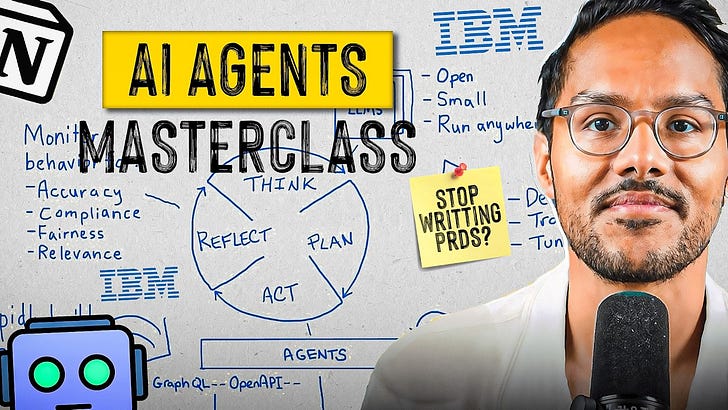
The ease of generating content with AI led to a flood of low-effort posts, turning platforms like LinkedIn into showcases for "AI slop." In response, companies like Substack are rolling out anti-AI tools to detect and disincentivize machine-generated content, aiming to preserve quality and human authenticity.

The CEO of Superhuman argues that the threshold for acceptable AI use in writing is situational. AI detection tools should be used not to enforce a universal ban, but to assess if the level of AI generation aligns with the context and the audience's expectations, much like calculator use varies by exam.

Instead of having AI generate entire posts, write the content in your own voice first. Then, use AI tools to refine specific elements like the hook or structure. This enhances quality while preserving the authenticity that algorithms and human readers value.
Don't fear AI creating "slop" content. Algorithms reward resonance, not just volume. Skilled strategists can use AI to scale their unique ideas, while mediocre AI-generated content will simply fail to perform, just as human-created "slop" did before.
LinkedIn's "Brand Kit" helps advertisers align AI-generated ad copy and creative with brand guidelines. This indicates a double standard: if you pay for reach, LinkedIn is more permissive with AI-generated content, focusing on brand consistency for paid ads over organic authenticity.
Don't use AI to generate generic thought leadership, which often just regurgitates existing content. The real power is using AI as a 'steroid' for your own ideas. Architect the core content yourself, then use AI to turbocharge research and data integration to make it 10x better.
AI tools are best used as collaborators for brainstorming or refining ideas. Relying on AI for final output without a "human in the loop" results in obviously robotic content that hurts the brand. A marketer's taste and judgment remain the most critical components.

Major platforms like YouTube, Snapchat, and LinkedIn are actively removing or flagging low-effort AI-generated content. This backlash isn't against AI itself but against the sheer volume of "slop" that degrades user experience. This forces platforms to curate for quality and could steer AI use toward more valuable applications.

To prevent generic AI outputs, treat AI as an assistant, not a replacement. Build prompts that require the user to provide their own perspective before the AI generates content. For instance, an AI tool for writing comments should first ask the user, 'What stood out to you most about this post?' This keeps the human in the loop.