Get your free personalized podcast brief
We scan new podcasts and send you the top 5 insights daily.
The ease of generating content with AI led to a flood of low-effort posts, turning platforms like LinkedIn into showcases for "AI slop." In response, companies like Substack are rolling out anti-AI tools to detect and disincentivize machine-generated content, aiming to preserve quality and human authenticity.

Related Insights
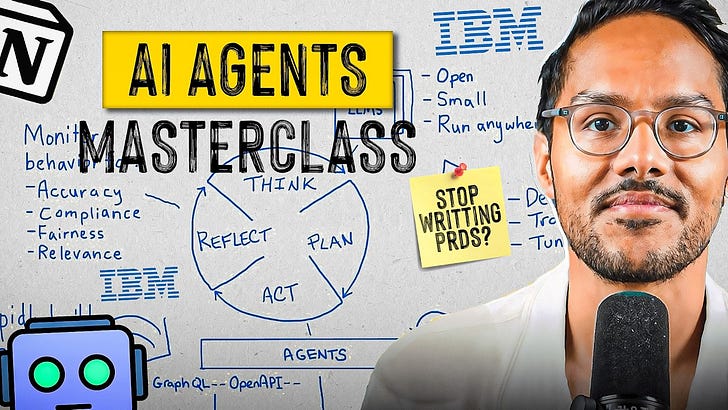
While AI tools once gave creators an edge, they now risk producing democratized, undifferentiated output. IBM's AI VP, who grew to 200k followers, now uses AI less. The new edge is spending more time on unique human thinking and using AI only for initial ideation, not final writing.
Creating reliable AI detectors is an endless arms race against ever-improving generative models, which often have detectors built into their training process (like GANs). A better approach is using algorithmic feeds to filter out low-quality "slop" content, regardless of its origin, based on user behavior.

The flood of low-quality, AI-generated content is not a threat but an opportunity. "AI slop" devalues generic content and makes genuinely educational, entertaining, and human-centric material stand out more. This raises the bar, rewarding brands that invest in real expertise and authenticity.

The proliferation of perfectly crafted but soulless AI-generated emails has created a market for "sincerity." This has led to satirical tools that intentionally degrade email quality with typos and awkward phrasing to signal human origin and cut through the noise.

As AI-generated 'slop' floods platforms and reduces their utility, a counter-movement is brewing. This creates a market opportunity for new social apps that can guarantee human-created and verified content, appealing to users fatigued by endless AI.

Using AI to generate large volumes of content is a trap. Instead of increasing visibility, it adds to the noise of generic, forgettable information, effectively burying your brand. Customers are already learning to recognize and ignore low-effort, AI-generated content, which can ultimately harm your brand's reputation.

Substack's CEO Chris Best is addressing low-quality AI content by focusing on transparency. The platform integrated Pangram's AI detector to combat "Clod Fishing"—the deceptive practice of passing off AI-generated text as authentic human work. The goal is to preserve the reader's expectation of a genuine human connection, not to ban AI tools altogether.
As AI makes content creation ubiquitous, the internet is flooded with shallow, generic "AI slop." Consumers are adept at spotting it, with 59% saying it damages their trust in a brand. This creates a premium for human-crafted, authentic stories.

As AI-generated content becomes ubiquitous, a counter-movement is emerging where creators explicitly state their work is AI-free. This disclosure provides comfort to consumers who have had negative experiences with low-effort AI content. "Human-made" is becoming a valuable differentiator, creating a new premium for authenticity in the creator economy.
There is a growing business need for tools that detect AI-generated 'slop.' This goes beyond academia, with platforms like Quora paying for API access to maintain content quality. This creates a new market for 'external AI safety' focused on preserving authenticity on the internet.
