Get your free personalized podcast brief
We scan new podcasts and send you the top 5 insights daily.
A client blindsided her PR team by revealing a past affair on national TV. Her rationale was to 'take the air out of the balloon' and own the story, preventing publications from using it as a salacious exposé years later. This is a high-risk, high-reward approach to reputation management.

Related Insights
In studies, participants preferred to hire or date people who admitted to negative acts (e.g., being reprimanded) over those who chose a "decline to answer" option. The act of conspicuous concealment is perceived as a fundamental breach of trust that is judged more harshly than the disclosed flaw itself.
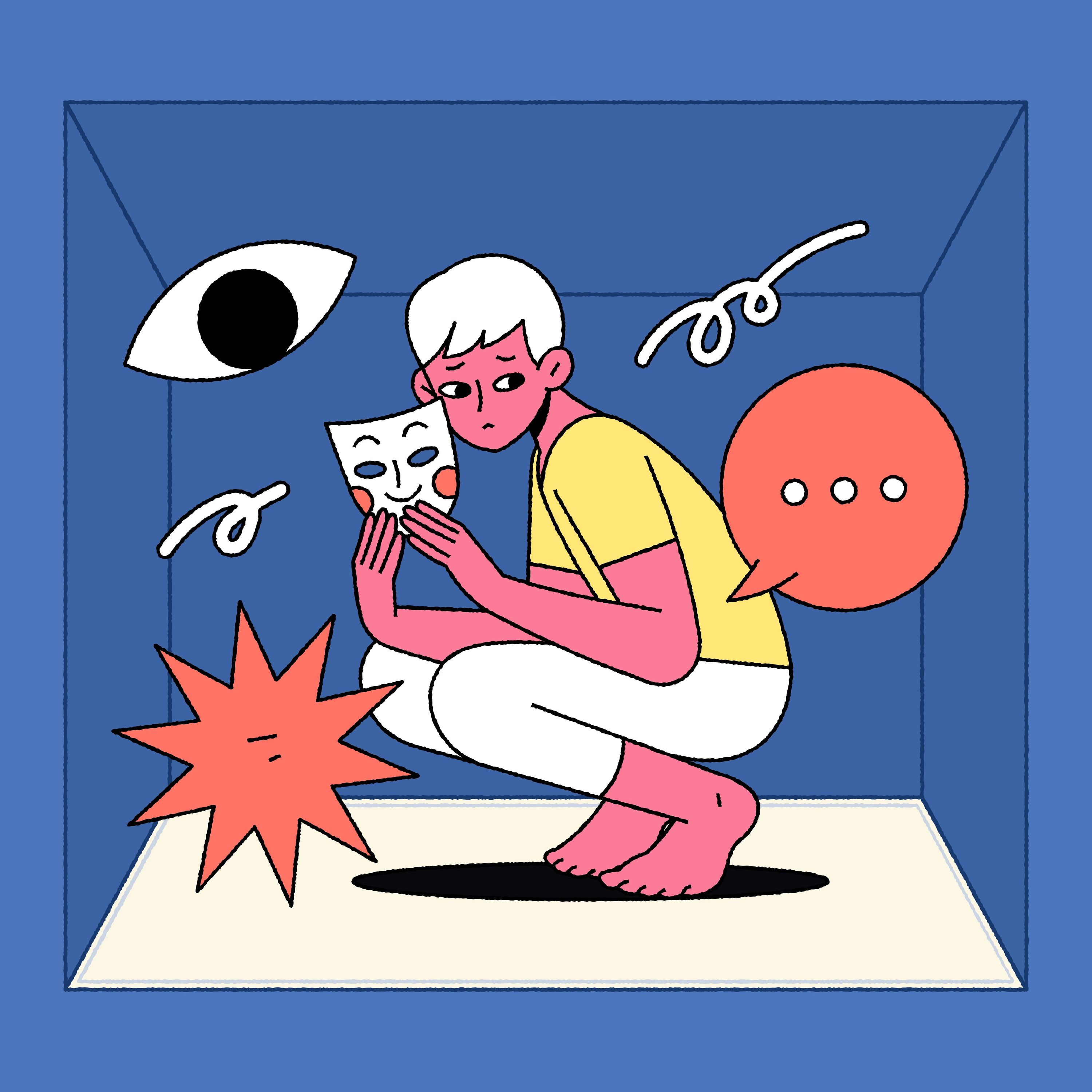
Auntie Anne's founder Anne Beiler intentionally shared a damaging personal story on national TV. This preemptive move neutralized the information's power, ensuring future journalists couldn't use it as a "salacious" exposé. This strategy of "taking the air out of the balloon" protects long-term brand reputation by controlling the narrative from the start.

In analyzing a public scandal, Scott Galloway notes that the greatest damage in a crisis typically isn't the initial event but the subsequent "shrapnel": the attempts to cover up, excuse, or avoid accountability. An effective response requires acknowledging the problem, taking responsibility, and overcorrecting.

A superior crisis response playbook goes beyond acknowledging a mistake and taking responsibility. To truly rebuild trust, leaders should overcorrect with a positive action that is disproportionately forceful compared to the initial error, demonstrating a profound commitment to the values that were compromised.
Instead of hiding her demotion, Alice Ter Haas shared her story publicly. This honesty resonated, reframed the 'failure' as a strength, and became a cornerstone of her new business focused on resilience. She leaned into the shame, which ultimately took its power away.
Instead of issuing a simple denial to public accusations, Lizza leveraged his skills as a magazine storyteller to write an eight-part, 25,000-word series on Substack. This approach of "fighting fire with fire" represents a novel and potent strategy for reputation management in the creator economy, moving beyond a simple press statement to a compelling, detailed narrative.

Individuals peripherally mentioned in scandals face significant professional and personal damage because the public often fails to differentiate degrees of involvement. An implication, however meaningless, can be enough for institutions to fire people and for reputations to be ruined, regardless of actual culpability.
In legal settings, proactively disclose your client's flaws or mistakes yourself. Like Eminem's final rap battle in *8 Mile*, this steals the opposition's thunder, makes your client appear more human and credible, and derails the planned cross-examination.

A PR professional believed his client's TV appearance was a career-ending disaster. He later realized his "fuck-up" was not in the execution, but in failing to grasp the client's brilliant long-term strategy. This highlights that what seems like a tactical failure can be a misunderstanding of a client's deeper strategic goals, offering a lesson in professional humility.
Effective social media teams can spot "the hordes forming at the social gate" and neutralize a controversy before it explodes. By having a pre-planned response and acting quickly, a brand can de-escalate a situation, making potentially major crises completely invisible to the public and press.
