Get your free personalized podcast brief
We scan new podcasts and send you the top 5 insights daily.
When you lose someone, the deep sorrow and sadness you feel is not a separate negative emotion, but rather a manifestation of the immense love you had for that person. Recognizing this connection can reframe the experience of grief as a testament to a meaningful relationship.

Related Insights
Healing from loss doesn't mean letting go of the emotional bond. The most adaptive strategy is to dedicate time to deeply feel your attachment, while consciously preventing your mind from linking it to memories of where and when the person existed. This uncouples the bond from the brain's broken prediction map.

The experience of profound grief is not a temporary state of sadness but a complete upending of one's reality. The grieving person is thrown into an alternate universe where they become a fundamentally different person.

Society mistakenly correlates the length of mourning with the amount of love felt. This is a false narrative. You can love someone profoundly and still choose to recover your behavioral baseline quickly. A rapid recovery doesn't diminish the love; it's simply a choice about how to respond to loss.

The common impulse is to "fix" someone's grief. However, what people in anguish truly need is "withness": the simple, non-judgmental presence of others. The goal is not to repair their broken hearts but to ensure they don't feel abandoned in their pain.

Instead of avoiding emotional pain like longing or grief, treat it as vital information. Pain is the most accurate instrument for understanding what you truly desire, what you fear losing, and what you valued. Attending to pain, rather than fleeing it, is the key to undoing self-deception in relationships and life.

The common assumption that heartbreak is purely negative is flawed. Instead of causing you to close off, experiencing and moving through the pain of heartbreak actually breaks your heart open, increasing your ability to love more deeply in the future. Avoiding this pain is what leads to trauma and closure, not the heartbreak itself.

Extreme emotional trauma, like the death of a child, manifests physically. It's not just sadness but a full-body shock and stress that can lead to physical illness, addiction, and a higher mortality rate for the bereaved.
The anxiety you feel for your children or the grief from losing a loved one isn't just pain. It's the tangible evidence, or "receipt," of deep love and purpose. Acknowledging this connection can help in processing these difficult emotions as a feature of a meaningful life, not just a bug.

A structured exercise for unpacking grief involves making three lists: 1) the good things you've lost, 2) the bad things you no longer have to tolerate, and 3) the unrealized future hopes and dreams. This provides a complete emotional accounting of the loss.
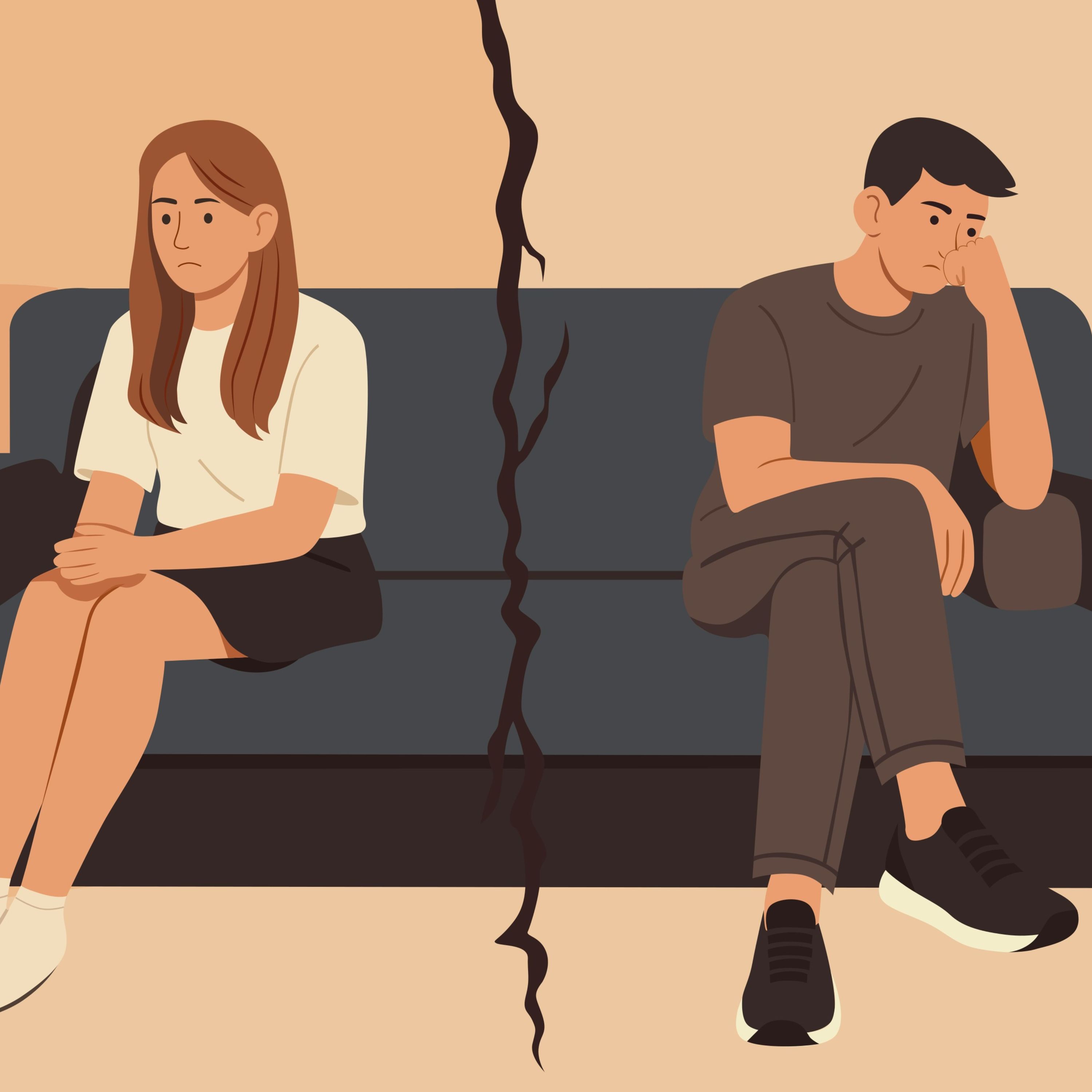
Instead of viewing grief as a problem to be solved or 'gotten over,' it should be seen as a feature of a well-lived life. Grief is the natural and proportional receipt for the love you have for someone. Experiencing deep grief means you experienced deep connection, and that is not something to be erased.
