Get your free personalized podcast brief
We scan new podcasts and send you the top 5 insights daily.
Healing from loss doesn't mean letting go of the emotional bond. The most adaptive strategy is to dedicate time to deeply feel your attachment, while consciously preventing your mind from linking it to memories of where and when the person existed. This uncouples the bond from the brain's broken prediction map.

Related Insights
For profound loss, therapy cannot eliminate grief. A more realistic and helpful goal, as described by an EMDR therapist, is to reach a point where "you will manage your grief and grief won't manage you."

Grief is not a linear set of stages but an oscillation. People naturally shift between focusing inward on their loss and focusing outward on daily life. This dynamic process allows for both the recalibration of their internal world and continued engagement with external responsibilities.

Dr. Eger explains that unresolved grief often stems from what we missed out on—like a childhood dance—not just the traumatic events we endured. Acknowledging and mourning these unfulfilled experiences, or what 'didn't happen,' is a crucial and often overlooked part of healing.

Suppressing emotions you feel you 'shouldn't' have, like anger at a dying parent, prevents healing. True healing requires giving yourself full permission to feel the entire spectrum of emotions. Divine revelation and clarity are found on the other side of processed, not managed, emotion.

Instead of avoiding emotional pain like longing or grief, treat it as vital information. Pain is the most accurate instrument for understanding what you truly desire, what you fear losing, and what you valued. Attending to pain, rather than fleeing it, is the key to undoing self-deception in relationships and life.

Constantly replaying "what if" scenarios, or counterfactual thinking, is particularly harmful during grief. It strengthens the problematic neural links between attachment and specific past events, preventing necessary remapping. This cognitive loop is also a direct pathway to intense guilt, hindering the healing process.
A structured exercise for unpacking grief involves making three lists: 1) the good things you've lost, 2) the bad things you no longer have to tolerate, and 3) the unrealized future hopes and dreams. This provides a complete emotional accounting of the loss.
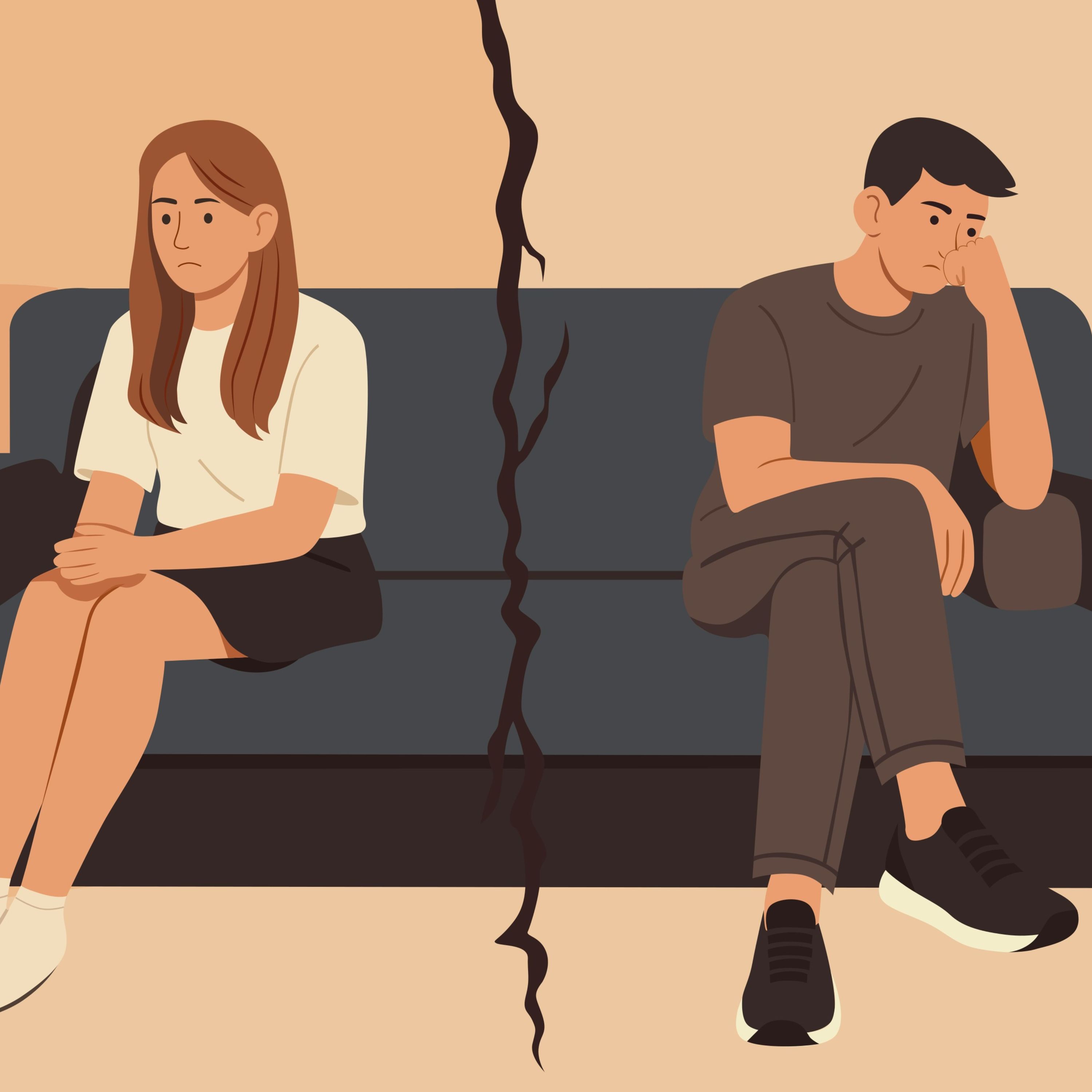
Healing is not about forgetting or forgiving trauma, but reaching a point where you no longer expend any mental or emotional energy managing it. When the past no longer dictates your present reactions or consumes your energy, that energy becomes fully available for the present moment, signifying that healing has occurred.

Our brains integrate emotional bonds with physical location (space) and temporal patterns (time). Grief is the neurologically difficult process of untangling these three dimensions when a person is lost, as the brain continues to predict their presence in familiar spaces and times.
Instead of viewing grief as a problem to be solved or 'gotten over,' it should be seen as a feature of a well-lived life. Grief is the natural and proportional receipt for the love you have for someone. Experiencing deep grief means you experienced deep connection, and that is not something to be erased.
