Get your free personalized podcast brief
We scan new podcasts and send you the top 5 insights daily.
Unlike the US and Russia, China never experienced a visceral, nation-defining moment where nuclear annihilation seemed imminent. This lack of shared trauma and cultural resonance means their leadership often views arms control not as a mutual survival necessity, but as a potential American strategic trick.

Related Insights
A purely cooperative approach to AI arms control with China is unlikely to work due to their inherent skepticism. A more effective realpolitik strategy may be for the U.S. to advance its AI capabilities so far and fast that China feels compelled to negotiate out of self-interest to avoid being hopelessly behind.
The joint statement on keeping humans in control of nuclear weapons is a significant diplomatic achievement demonstrating shared intent. However, it's not a binding agreement, and the real challenge is verifying this commitment, which is difficult given the secrecy surrounding military AI integration.
China's showcase of advanced military hardware, like its new aircraft carrier, is primarily a psychological tool. The strategy is to build a military so 'forbiddingly huge' that the US would hesitate to engage, allowing China to achieve goals like reabsorbing Taiwan without fighting. This suggests their focus is on perceived power to deter intervention.

China's nuclear strategy differs from the Cold War dynamic. While the US and Soviets were near parity, incentivizing de-escalation, China lags far behind with only 600 warheads to the US's 5,300. This massive gap provides a strong strategic incentive for China to rapidly build its arsenal to gain leverage, particularly regarding Taiwan.

The core driver of a 'Thucydides Trap' conflict is the psychological distress experienced by the ruling power. For the U.S., the challenge to its identity as '#1' creates a disorienting fear and paranoia, making it prone to miscalculation, independent of actual military or economic shifts.

The core national anxieties of Russia and China are opposites, shaping their strategic cultures. Russia's history of devastating invasions fuels its fear of external threats (the "Mongol yoke"). China, haunted by centuries of civil war, fears internal chaos and the collapse of the state above all else.

While the West debates 'Peak China,' Beijing operates under its own 'Peak America' theory. It interprets aggressive US actions not as signs of strength, but as the desperate flailing of a declining power that recognizes time is no longer on its side.

Unlike China's historical "minimal deterrence" (surviving a first strike to retaliate), the US and Russia operate on "damage limitation"—using nukes to destroy the enemy's arsenal. This logic inherently drives a numbers game, fueling an arms race as each side seeks to counter the other's growing stockpile.
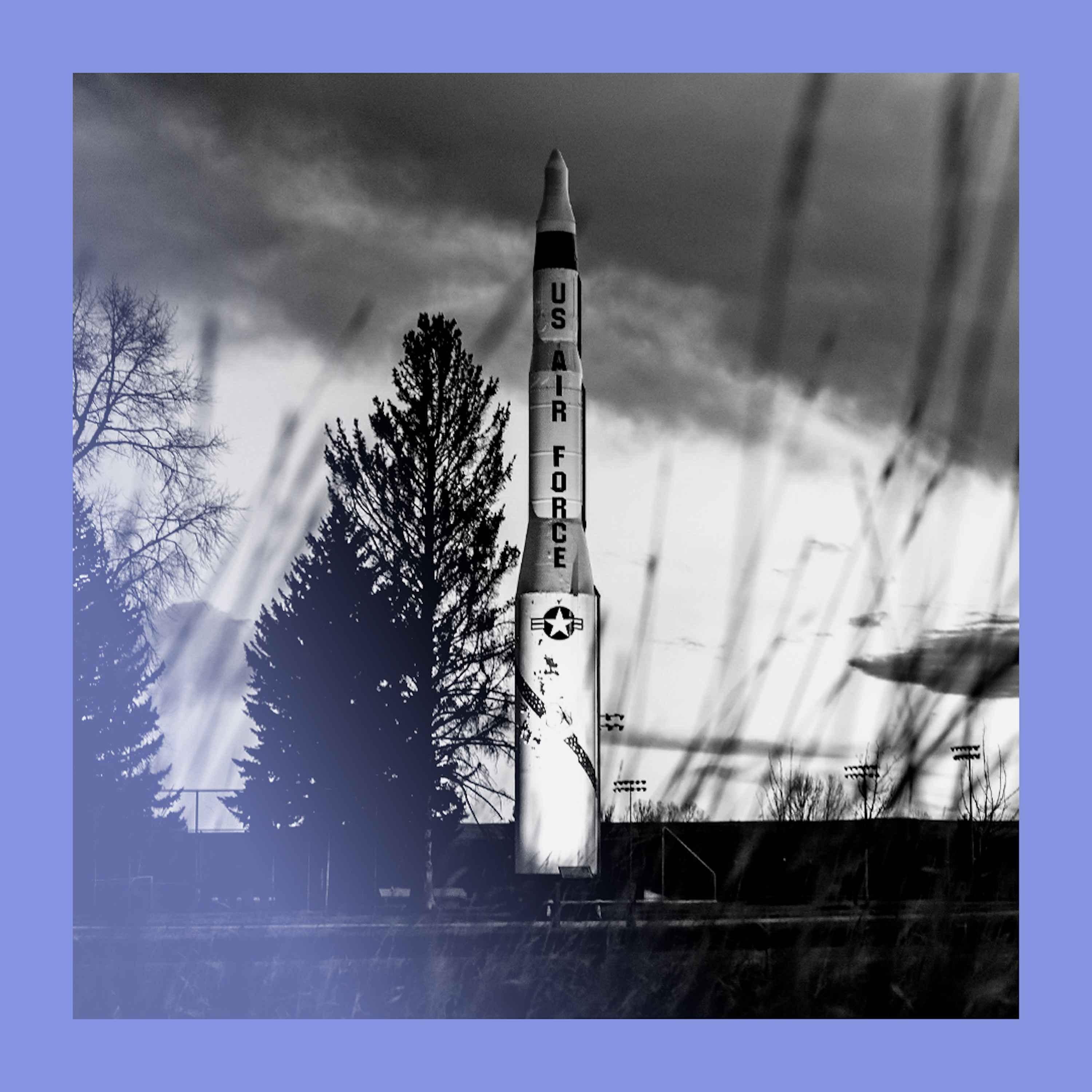
In a world with nuclear weapons, conflicts between major powers are determined less by economic or military might and more by which side demonstrates greater resolve and willingness to risk escalation. This dynamic places an upper bound on how much one state can coerce another.

The "Japan panic" was rooted in fears of economic subordination—like having a Japanese boss or seeing landmarks bought by Japanese firms. In contrast, anxiety about China is dominated by concerns over direct military conflict and a technological arms race, a much starker form of geopolitical rivalry.