Get your free personalized podcast brief
We scan new podcasts and send you the top 5 insights daily.
To improve decisions, Sequoia now requires partners to contribute to deal memos asynchronously before a live meeting. This process encourages deep "slow thinking" and captures individual thoughts before group dynamics take over, complementing the "fast thinking" of the traditional IC discussion.

Related Insights
Some Amazon meetings begin with silent, independent reading of a preparatory memo. After reading and adding notes, participants who have no further contribution are encouraged to leave. This respects individuals' time and ensures that only those essential for the synchronous discussion remain.
Most meetings are a failure of asynchronous communication, indicating information wasn't shared effectively beforehand. Limit meetings to broadcasting decisions or debating contentious topics where disagreement is productive, not for simple context sharing.

Meetings are a poor form of communication that create calendar clutter and force rushed decisions. Defaulting to asynchronous tools like Loom videos and email allows for better, more considered responses, protects time for deep work, and increases overall iteration speed and decision quality.

Instead of presentations, Sierra's founders write 6-10 page memos sent in advance, forcing clearer thinking. This shifts meetings from presentations to problem-solving sessions. The memos candidly focus on challenges and areas for improvement, maximizing the board's strategic value.

By mandating a detailed pre-read memo, Amazon fundamentally changes a meeting's purpose. It eliminates the need for information transfer during the meeting itself. This ensures the entire session is dedicated to high-level debate, questioning, and decision-making among fully briefed participants.

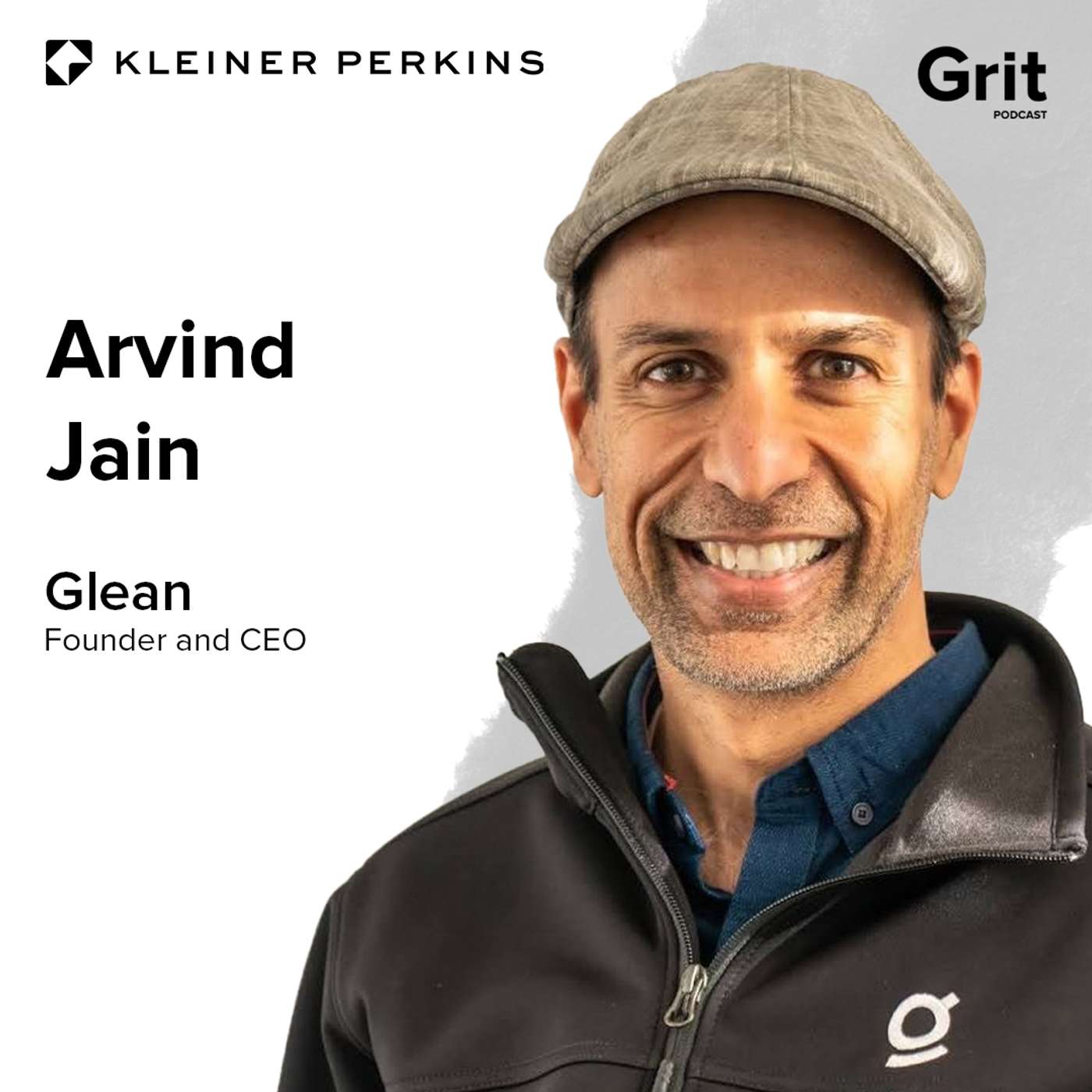
Arvind Jain insists on receiving written thoughts before discussions. It's partly for his own processing style (he absorbs information better by reading). More importantly, he believes the act of writing is the most effective way for anyone to structure their thoughts coherently and make better strategic decisions.
To ensure the "triumph of ideas, not the triumph of seniority," Sequoia uses anonymized inputs for strategic planning and initial investment votes. This forces the team to debate the merits of an idea without being influenced by who proposed it, leveling the playing field.

To prevent the first or most senior person from anchoring a conversation, collect everyone's independent analysis in writing first. Only after this information is aggregated should the group discussion begin. This method ensures a wider range of ideas is considered and prevents premature consensus.
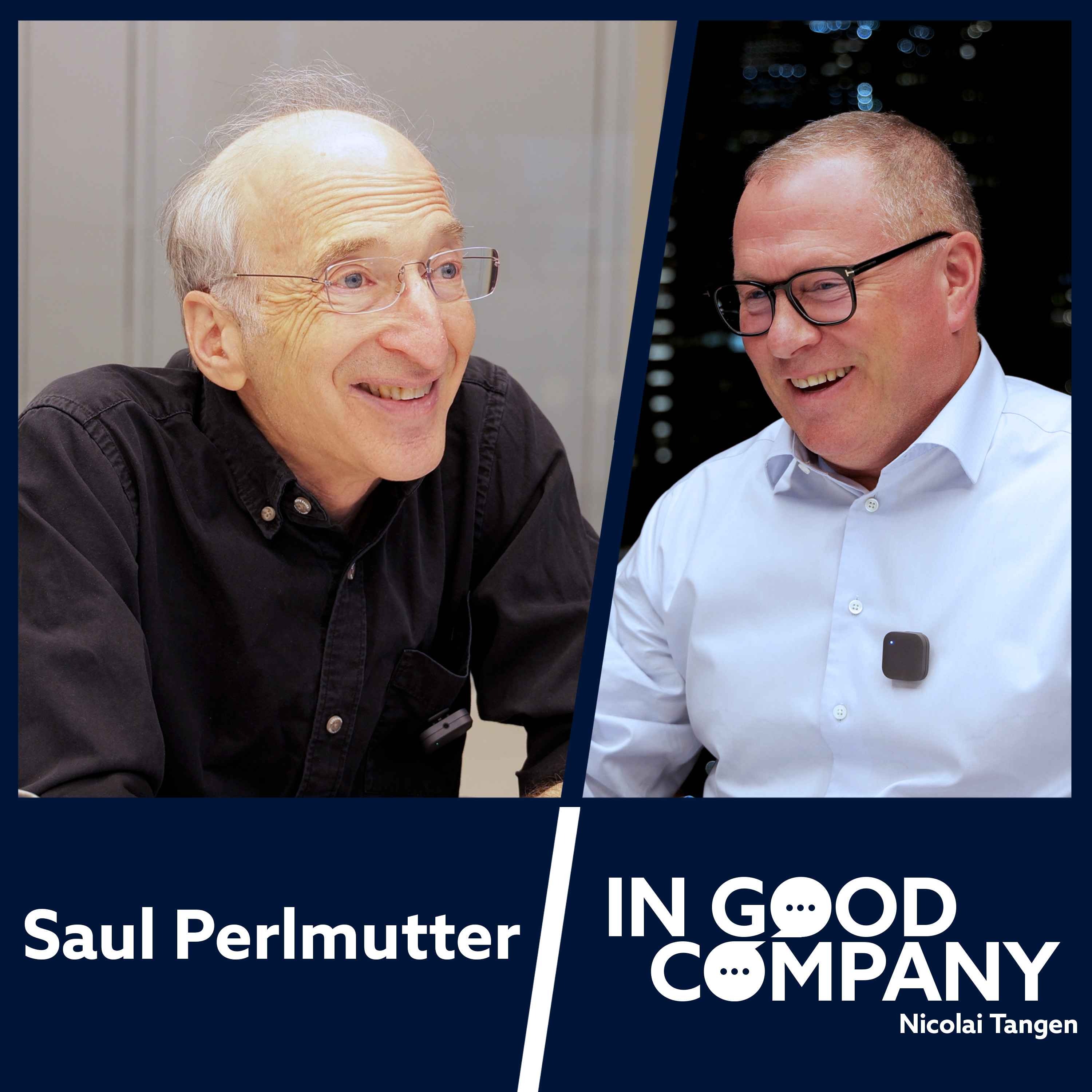
Adopt the private equity board meeting model: circulate a detailed brief a week in advance. This forces attendees to consume updates asynchronously. The meeting itself can then be dedicated entirely to debating critical, forward-looking decisions instead of wasting time on status reports.

To get the best answers, send out questions before a meeting and have attendees write down their thoughts. This accommodates people who aren't skilled at thinking on the spot, leading to more insightful discussions than spontaneous brainstorming. One person collates the pre-work to guide the meeting.
