Get your free personalized podcast brief
We scan new podcasts and send you the top 5 insights daily.
German defense firm Rheinmetall's market cap surged from $5B to $80B post-Ukraine invasion, mirroring the explosive growth of AI companies. This highlights how major geopolitical shifts can act as powerful, unexpected catalysts for traditional industries, creating immense value for well-positioned incumbents.

Related Insights
The conflict in Ukraine exposed the vulnerability of expensive, "exquisite" military platforms (like tanks) to inexpensive technologies (like drones). This has shifted defense priorities toward cheap, mass-producible, "attritable" systems. This fundamental change in product and economics creates a massive opportunity for startups to innovate outside the traditional defense prime model.

The administration's explicit focus on re-shoring manufacturing and preparing for potential geopolitical conflict provides a clear investment playbook. Capital should flow towards commodities and companies critical to the military-industrial complex, such as producers of copper, steel, and rare earth metals.

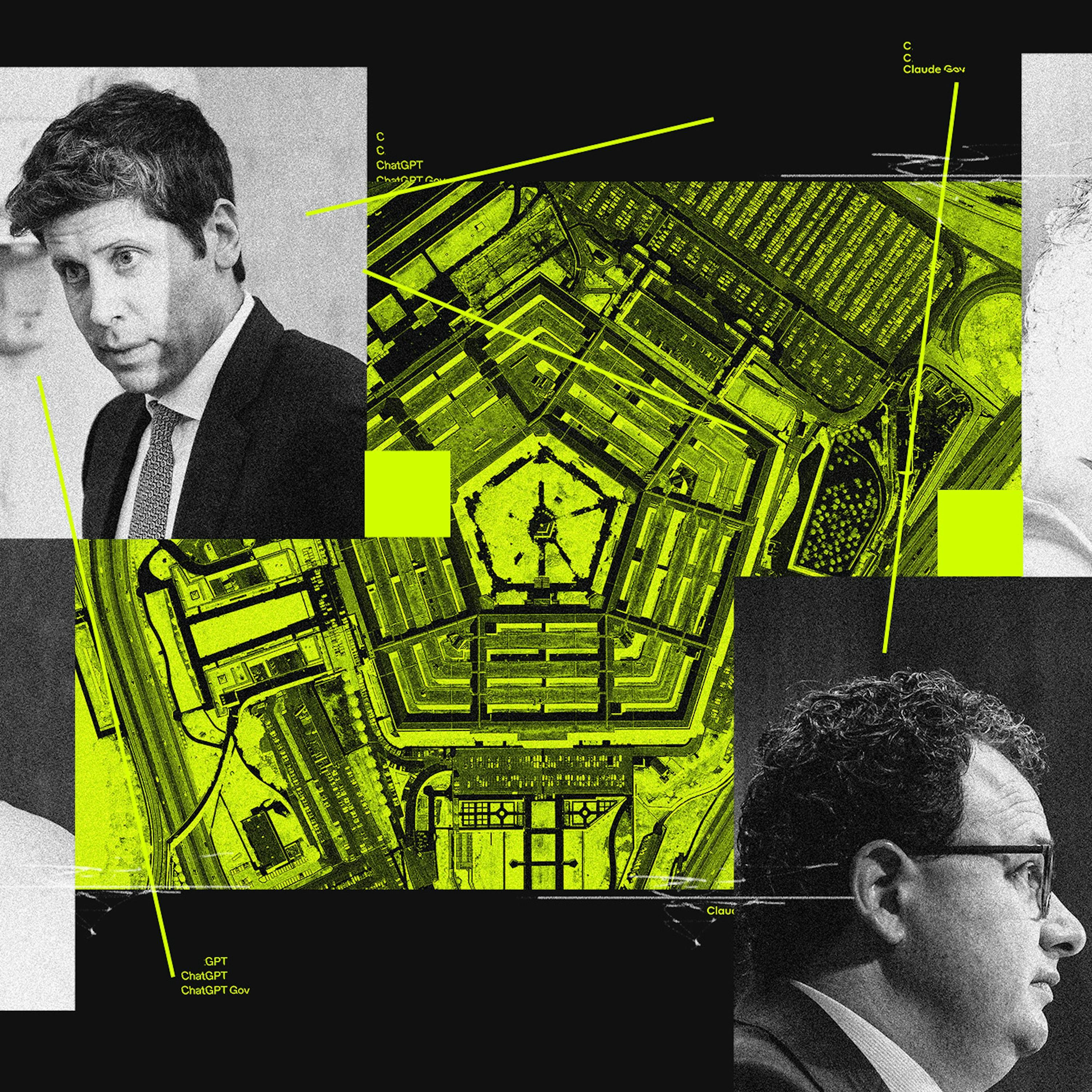
Leading AI companies, facing high operational costs and a lack of profitability, are turning to lucrative government and military contracts. This provides a stable revenue stream and de-risks their portfolios with government subsidies, despite previous ethical stances against military use.
The AI investment case might be inverted. While tech firms spend trillions on infrastructure with uncertain returns, traditional sector companies (industrials, healthcare) can leverage powerful AI services for a fraction of the cost. They capture a massive 'value gap,' gaining productivity without the huge capital outlay.

Rheinmetall's market cap surged from $5B to $80B in three years. The growth was driven by the Ukraine war boosting demand, a century of institutional knowledge, and strong leadership, demonstrating how legacy firms can achieve hyper-growth during geopolitical shifts.

Geopolitical competition with China has forced the U.S. government to treat AI development as a national security priority, similar to the Manhattan Project. This means the massive AI CapEx buildout will be implicitly backstopped to prevent an economic downturn, effectively turning the sector into a regulated utility.

While AI infrastructure gets the attention, a quiet industrial revival is underway. The combination of fiscal incentives, manufacturing reshoring, and better financing conditions could soon reactivate stocks in logistics, HVAC, and transport that have been in an 'ISM recession' for years.

The massive physical infrastructure required for AI data centers, including their own power plants, is creating a windfall for traditional industrial equipment manufacturers. These companies supply essential components like natural gas turbines, which are currently in short supply, making them key beneficiaries of the AI boom.

The decisive advantage in future conflicts will not be just technological superiority, but the ability to mass-produce weapons efficiently. After decades of offshoring manufacturing, re-industrializing the US to produce hardware at scale is Anduril's core strategic focus, viewing the factory itself as the ultimate weapon.

The go-to-market strategy for defense startups has evolved. While the first wave (e.g., Anduril) had to compete directly with incumbents, the 'Defense 2.0' cohort can grow much faster. They act as suppliers and partners to legacy prime contractors, who are now actively seeking to integrate their advanced technology.