Get your free personalized podcast brief
We scan new podcasts and send you the top 5 insights daily.
After winning a major Tesco listing, BrewDog's sales were so slow for two years they should have been delisted. The lesson: getting distribution is the easy part; generating consistent consumer pull-through to stay on the shelf is the real, multi-year challenge.

Related Insights
Getting into one local Whole Foods wasn't just a sale; it was a key. Travis immediately leveraged that single, high-credibility placement to persuade other local retailers to carry his product. He understood that one prestigious "yes" acts as powerful social proof, creating a domino effect for distribution.

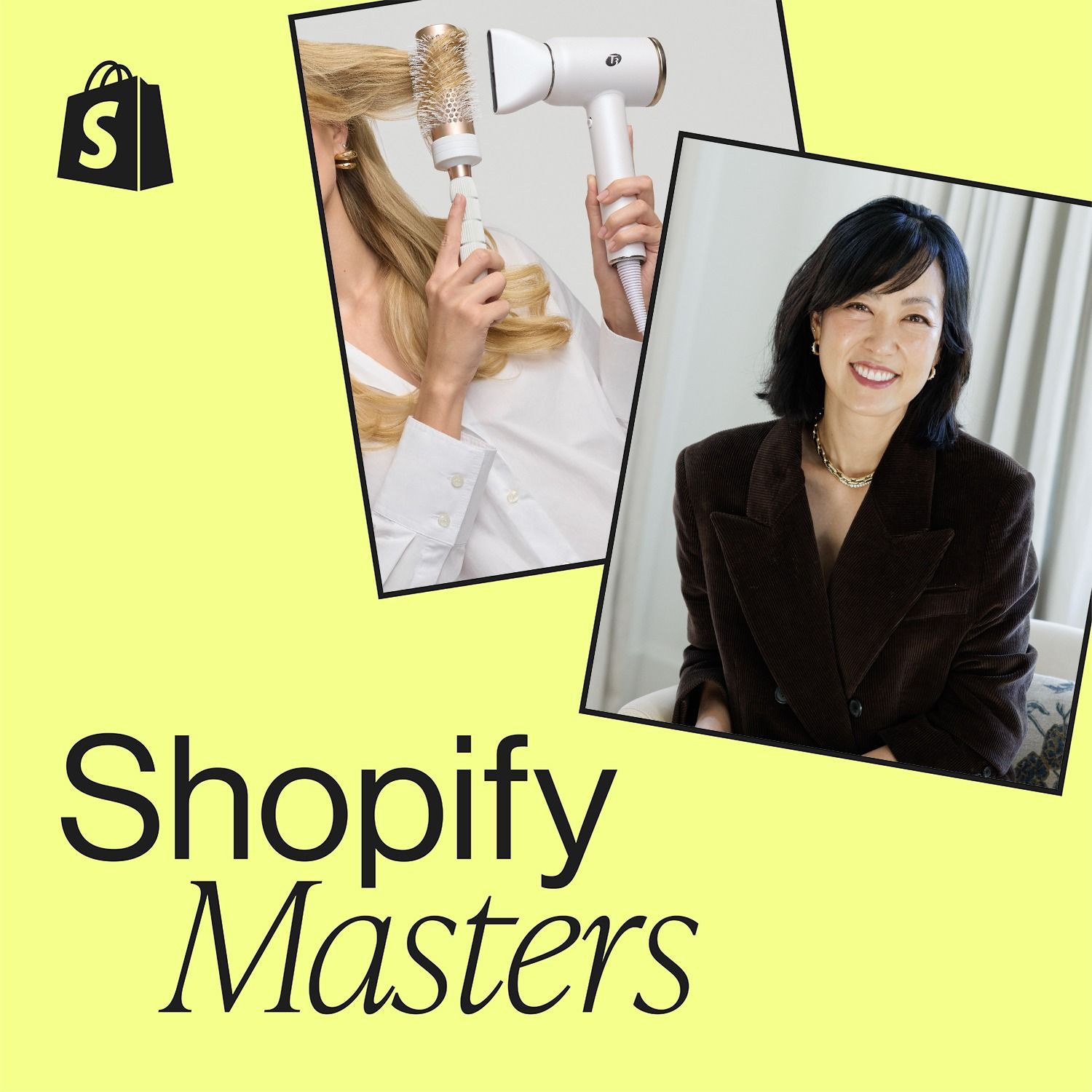
T3's journey with Sephora shows that retail relationships are dynamic. After a successful launch, they were removed from brick-and-mortar stores for nearly a decade, surviving on online sales. They later returned to shelves by introducing new, innovative products. This illustrates that losing shelf space isn't final and can be regained with fresh offerings.
Getting into retailers like Target or Walmart feels like validation, but it can bankrupt startups. The high costs, stocking fees, and immense pressure for sell-through often drain resources and lead to failure.
Despite beverages being a category people rarely buy online, Breeze generated tens of millions in DTC sales. This built a huge base of customers who preferred to buy in-store, creating a powerful demand flywheel. When Breeze launched in retail, it sold four months of inventory in two weeks.

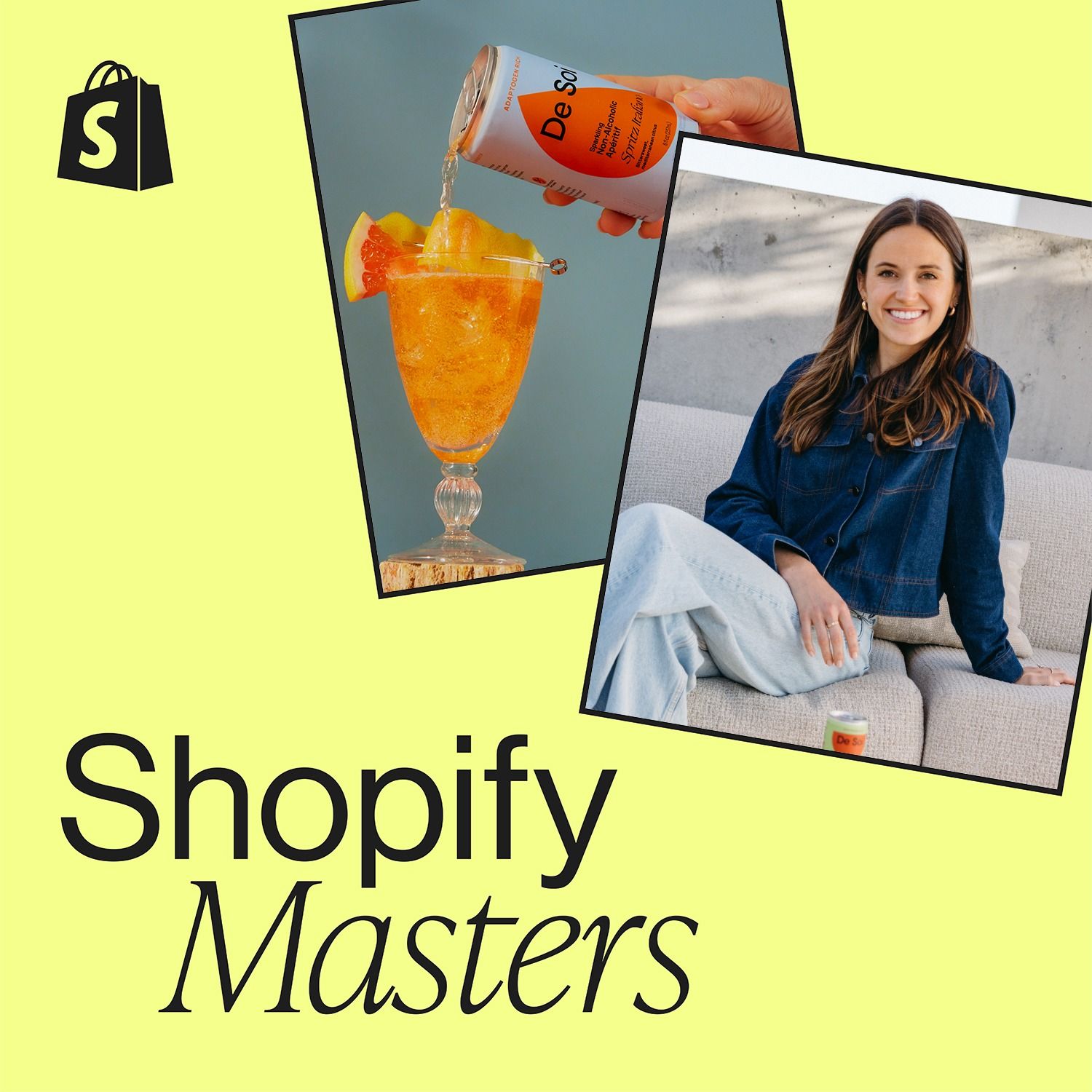
When De Soi launched, retailers and investors dismissed the non-alcoholic category. CEO Scout Brisson adopted a "not if, it's when" mindset, maintaining belief despite widespread skepticism. This conviction was essential for persevering until the market and major players like Target inevitably came around.
BrewDog's core philosophy was that combining an ambitious goal with a significant constraint (like budget or time) forces unconventional thinking. This prevents startups from just becoming mini-versions of incumbent competitors, which is a recipe for failure.
The allure of massive distribution at a mass-market retailer like Walmart is a trap. It establishes the lowest possible price point for your product, which every subsequent retail partner will use as a benchmark, limiting your brand's long-term profitability and pricing power.

For new CPG brands, aggressive marketing before achieving near-national distribution is a critical error. When excited customers can't find the product in their local store, they often buy a competitor's alternative (e.g., White Claw instead of Happy Dad). This funnels demand and new customers directly to established rivals.

Despite his team's eagerness to enter comic book stores, Vaynerchuk is intentionally patient, waiting until the market "feels right." This protects long-term brand health by ensuring organic demand outpaces supply before expanding.

Founders often believe fundraising failure stems from a lack of connections. However, for early-stage consumer brands with low sales figures, the real barrier is insufficient traction data. VCs need proof of scalability, like a major distribution deal, before they will invest, regardless of the introduction.