Get your free personalized podcast brief
We scan new podcasts and send you the top 5 insights daily.
A state's reputation with international firms is built through direct engagement like Governor Hobbs's trade missions to South Korea and Taiwan. Showing up in person creates a level of comfort and seriousness that phone calls cannot, translating a 'pro-business vibe' into tangible commitment.
Related Insights
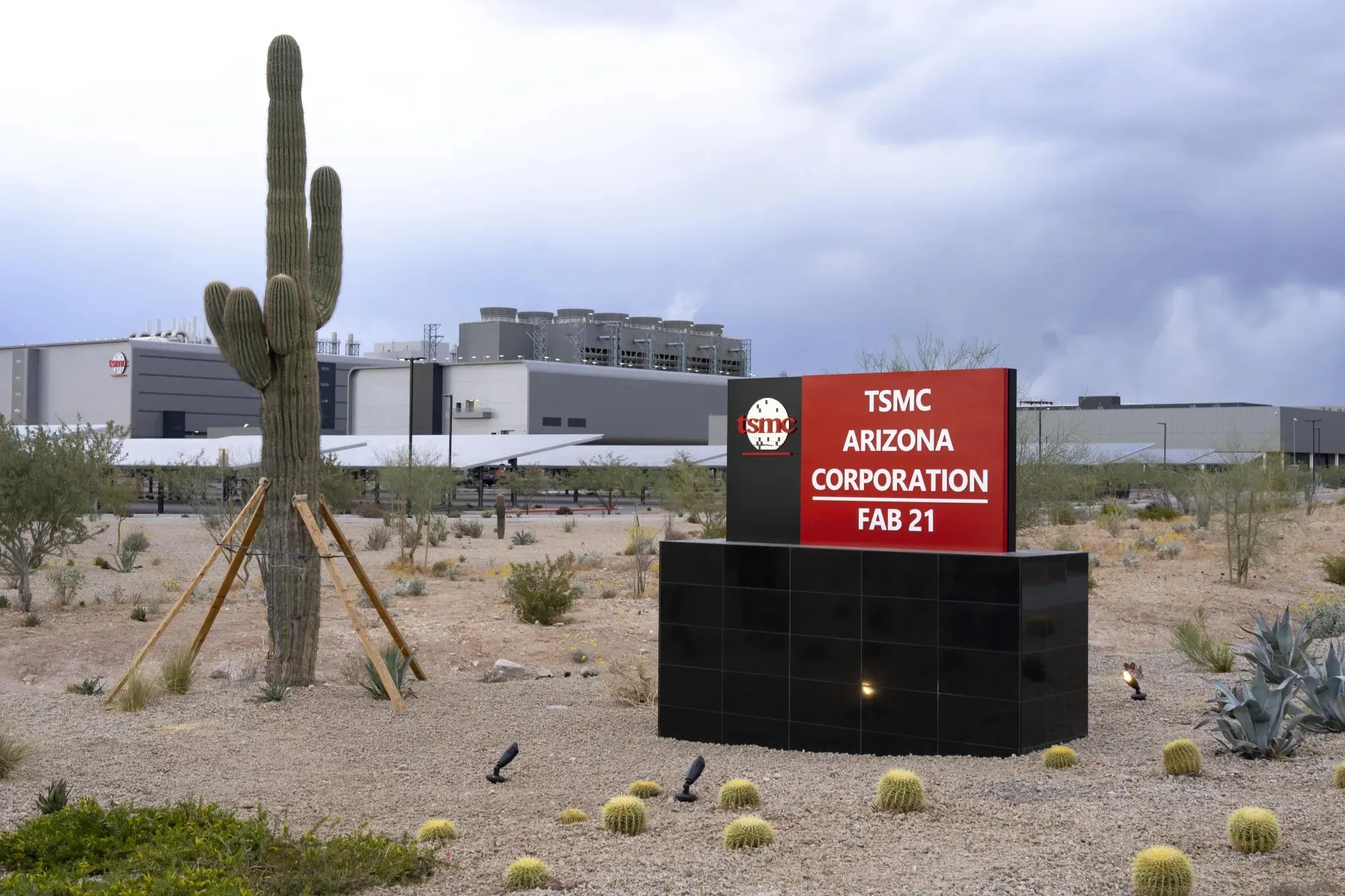
To attract and retain Taiwanese semiconductor workers, Arizona's development efforts extended beyond the factory gates to cultural integration. This included supporting Mandarin immersion in schools and celebrating new Taiwanese restaurants and a Costco, viewing quality of life as a key competitive advantage.
Arizona's support for TSMC's fab construction involved the governor's office mediating labor disputes over basic amenities like refrigerators and porta-potties. This demonstrates that executing grand industrial strategy relies on solving small, practical, on-the-ground problems for workers.
Contrary to popular belief, the success of semiconductor industries in Taiwan and Korea isn't primarily due to massive government subsidies. Instead, their governments excel at creating an extremely stable and predictable business environment with streamlined permitting and minimal regulatory friction, which is more critical for long-term, capital-intensive projects.

As the Trump administration damages international relationships, individual US states are bypassing Washington. They are creating their own 'memos of understanding' with foreign nations to protect their specific economic interests, effectively acting as independent entities on the world stage.

Arizona's ability to build new industries quickly may stem from not being tied to a legacy identity like oil, gas, or automotive. This lack of 'industrial sediment' prevents the institutional inertia that can slow down other states from pivoting to new technologies like semiconductors.
The State Department is using its authority to accept land gifts, typically for embassies, to create large-scale industrial zones. This "Pax Silica" initiative in the Philippines blends local industrial advantages with the predictability of American law to attract private investment and de-risk supply chains.

A long-standing state law mandates that new developments in metro areas prove a 100-year water supply. While once a regulatory hurdle, this policy now provides certainty to water-intensive businesses like semiconductor fabs, making Arizona more attractive than other drought-prone Western states.
To reduce friction for new businesses, Arizona's commerce authority consolidates permitting. Instead of a company bouncing between transportation, wildlife, and historical agencies, the state coordinates internally, offering a simplified 'one-stop shop' that serves as a key competitive advantage.
By bringing top CEOs like Elon Musk and Tim Cook to China, Trump employed "dollar diplomacy" to show economic respect and acknowledge China as a peer, a crucial tactic for negotiating with leaders like Xi Jinping.

To succeed globally, partner marketers must avoid treating regions like EMEA or APAC as monoliths. The key is to bypass broad regional calls and proactively insert yourself into country-level conversations. This direct engagement builds stronger relationships and demonstrates genuine commitment, even if it disrupts traditional communication flows.
