Get your free personalized podcast brief
We scan new podcasts and send you the top 5 insights daily.
Launch built an internal "whisper network" not only for founder introductions but also to meticulously log every value-add activity. This dossier serves as evidence of their contribution, strengthening their case to founders for receiving super pro-rata allocations in oversubscribed future funding rounds.

Related Insights
By defending the pro rata rights of early backers against new, powerful investors, founders play an "infinite game." This builds a reputation for fairness that compounds over time, attracting higher-quality partners and investors in future rounds.
Value-add isn't a pitch deck slide. Truly helpful investors are either former operators who can empathize with the 0-to-1 struggle, or they actively help you get your first customers. They are the first call in a crisis or the ones who will vouch for you on a reference call when you have no other credibility.

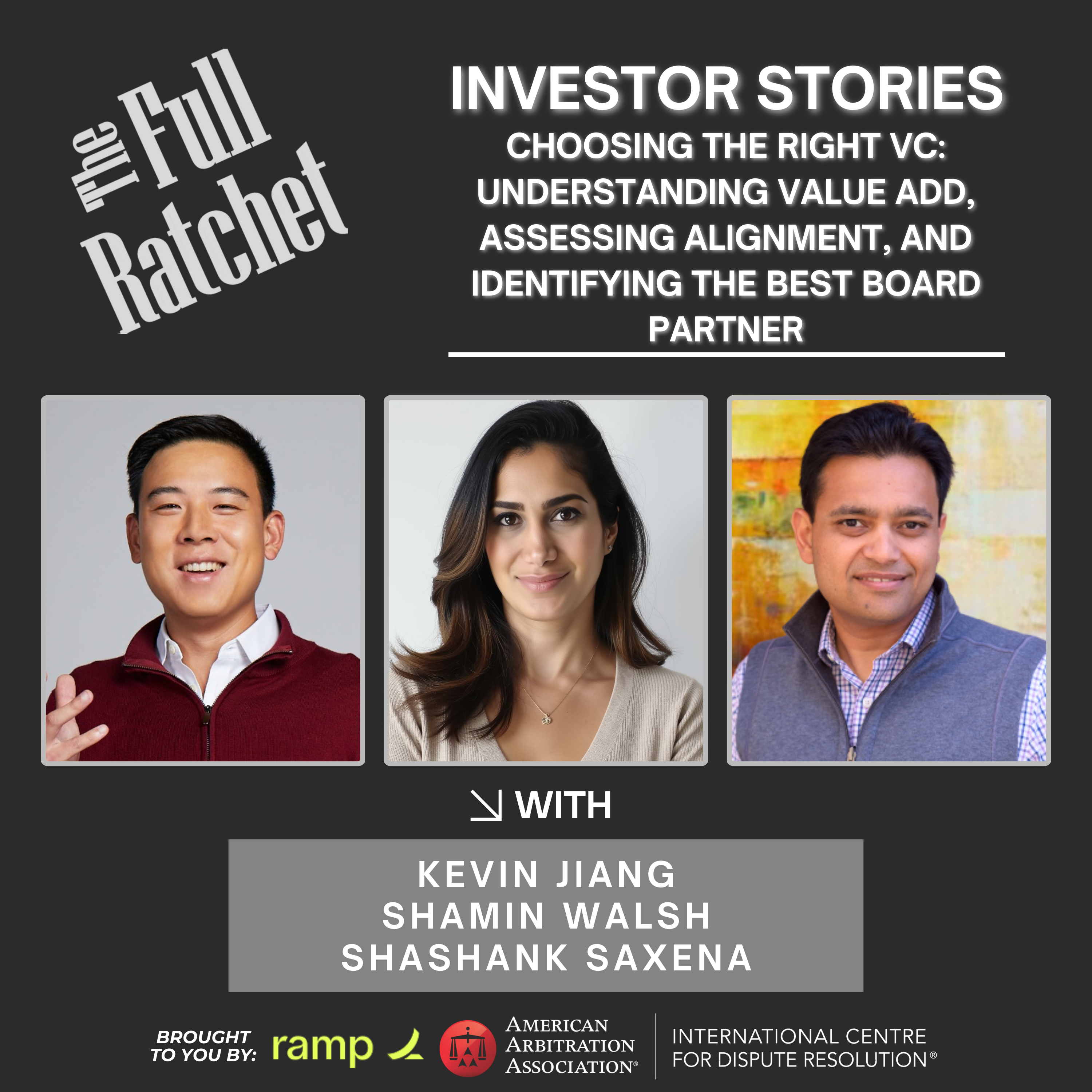
Founders should press VCs on how they specifically envision working together. A strong investor can articulate a nuanced plan tailored to the team's unique needs and the founder's working style, moving beyond a generic menu of services to show true alignment and understanding of the business's goals.
Instead of traditional pitching, TurboPuffer's CEO maintains a spreadsheet ranking potential investors on a 'tier list.' VCs earn their spot on the cap table by providing tangible value—like customer intros or strategic advice—long before a deal is discussed. This value-first approach ensures the cap table is composed of active partners.

Top-tier VCs provide tangible, high-leverage support that acts as a 'cheat code' for founders. When Warp was being blocked by security software from CrowdStrike, a message to Sequoia partner Andrew Reed resulted in a same-day phone call with CrowdStrike's president to resolve the critical issue—access unavailable to most startups.
To win highly sought-after deals, growth investors must build relationships years in advance. This involves providing tangible help with hiring, customer introductions, and strategic advice, effectively acting as an investor long before deploying capital.
![David George - Building a16z Growth, Investing Across the AI Stack, and Why Markets Misprice Growth - [Invest Like the Best, EP.450] thumbnail](https://megaphone.imgix.net/podcasts/8da7dbd8-ceeb-11f0-941c-ef83bcdd4c9f/image/d44107bc94719f78fbe91befb141073e.jpg?ixlib=rails-4.3.1&max-w=3000&max-h=3000&fit=crop&auto=format,compress)
The firm’s core belief is being a fund *for* founders, trusting them to run their companies without heavy operational input. This hands-off approach gives partners the bandwidth and "permission" to go deep on their own projects, leading to spinouts like Anduril and Varda.
Engaging with founders a month before Demo Day, even without a formal pitch, provides a vital baseline. Witnessing their spectacular progress over that month creates a powerful second data point on execution velocity, making the investment decision far easier and more informed.

Competing to be a founder's "first call" is a crowded, zero-sum game. A more effective strategy is to be the "second call"—the specialist a founder turns to for a specific, difficult problem after consulting their lead investor. This positioning is more scalable, collaborative, and allows for differentiated value-add.

When founders invest their own money, it signals an unparalleled level of commitment and belief. This act serves as a powerful 'magnetic pull,' de-risking the opportunity in the eyes of external investors and making them significantly more likely to commit their own capital.
