Get your free personalized podcast brief
We scan new podcasts and send you the top 5 insights daily.
Top-tier VCs provide tangible, high-leverage support that acts as a 'cheat code' for founders. When Warp was being blocked by security software from CrowdStrike, a message to Sequoia partner Andrew Reed resulted in a same-day phone call with CrowdStrike's president to resolve the critical issue—access unavailable to most startups.
Related Insights
A venture capitalist's career security directly impacts the founder relationship. VCs with a proven track record (like Sequoia's Andrew Reed) act as supportive partners. In contrast, junior or less successful VCs often transfer pressure from their own partnerships onto the founder, creating a stressful and counterproductive dynamic.
Trying to win a competitive Series A against a firm like Sequoia is nearly impossible for a smaller fund. Top firms leverage an overwhelming arsenal of social proof, including board seats at the world's most valuable companies and references from iconic founders, creating an insurmountable competitive moat.

It's possible to raise significant late-stage funding without revenue if you can demonstrate deep, sticky product love from a valuable user base, like developers. For investors like Sequoia, proving you've captured a hard-to-win market can be a more compelling signal than early revenue metrics.

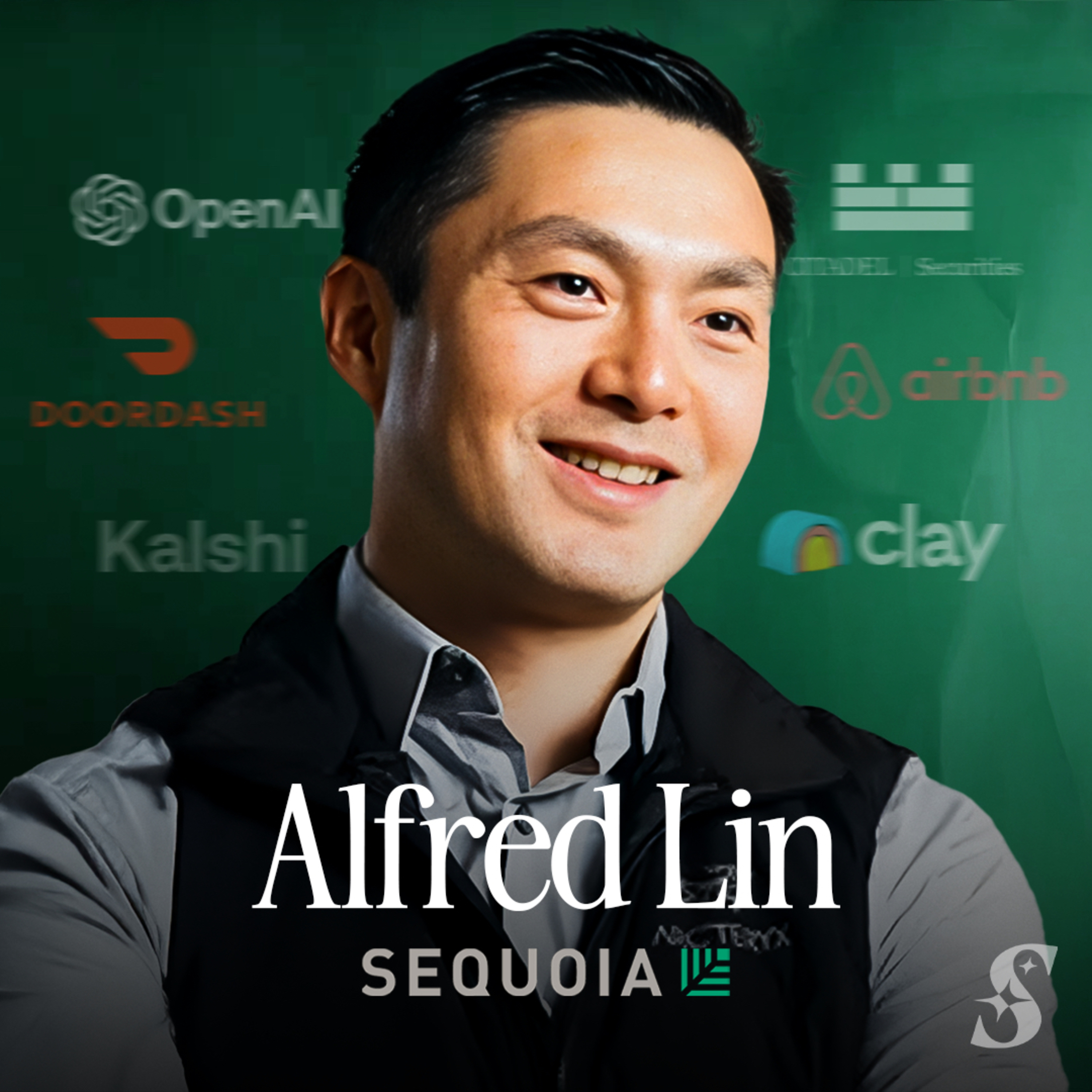
Alfred Lin's framework for board members is to be supportive 'shock absorbers' during hardships, helping founders pick up the pieces. When the company is succeeding, they become 'sparring partners' to challenge founders, prevent complacency, and push the business to the next level.
Value-add isn't a pitch deck slide. Truly helpful investors are either former operators who can empathize with the 0-to-1 struggle, or they actively help you get your first customers. They are the first call in a crisis or the ones who will vouch for you on a reference call when you have no other credibility.

VCs at the highest level don't just write checks; they fundamentally reset a founder's aspirations. By placing a startup in the lineage of giants like Google and Oracle, they shift the goal from building a big business to creating a generational company.
VCs struggled with Axonius's pitch because the problem had existed for years with no solution (a "why now" issue). The founder overcame this by having the VC put him in front of Fortune 500 CISOs. When every CISO told the VC it was a top, unsolved priority, the market validation was undeniable.

Sequoia secured an investment in Citadel Securities after 2.5 years of persistence. The key was framing their value around building technology businesses—an area where Citadel's Ken Griffin wanted help—rather than trying to compete on market-making knowledge.
Competing to be a founder's "first call" is a crowded, zero-sum game. A more effective strategy is to be the "second call"—the specialist a founder turns to for a specific, difficult problem after consulting their lead investor. This positioning is more scalable, collaborative, and allows for differentiated value-add.

In today's market, 90% of VCs chase signals, while the top 10% (like Sequoia or Founders Fund) *are* the signal. Their investment creates a powerful self-reinforcing dynamic, attracting the best talent, customers, and follow-on capital to their portfolio companies.