Get your free personalized podcast brief
We scan new podcasts and send you the top 5 insights daily.
Instead of traditional pitching, TurboPuffer's CEO maintains a spreadsheet ranking potential investors on a 'tier list.' VCs earn their spot on the cap table by providing tangible value—like customer intros or strategic advice—long before a deal is discussed. This value-first approach ensures the cap table is composed of active partners.

Related Insights
Base intentionally constructs its cap table with a mix of investor types: growth funds for pattern matching, sector funds for domain expertise, strategic partners for market access (e.g., homebuilders), and endowments for long-term stability. This turns the cap table into an active asset beyond just capital.

YC now provides founders an investor's conversion rate (meetings vs. checks). A low rate signals to founders not to prioritize that meeting, forcing VCs to abandon a "catch-all" meeting approach in favor of being highly selective upfront to avoid damaging their reputation within the ecosystem.

Value-add isn't a pitch deck slide. Truly helpful investors are either former operators who can empathize with the 0-to-1 struggle, or they actively help you get your first customers. They are the first call in a crisis or the ones who will vouch for you on a reference call when you have no other credibility.

Founders should press VCs on how they specifically envision working together. A strong investor can articulate a nuanced plan tailored to the team's unique needs and the founder's working style, moving beyond a generic menu of services to show true alignment and understanding of the business's goals.
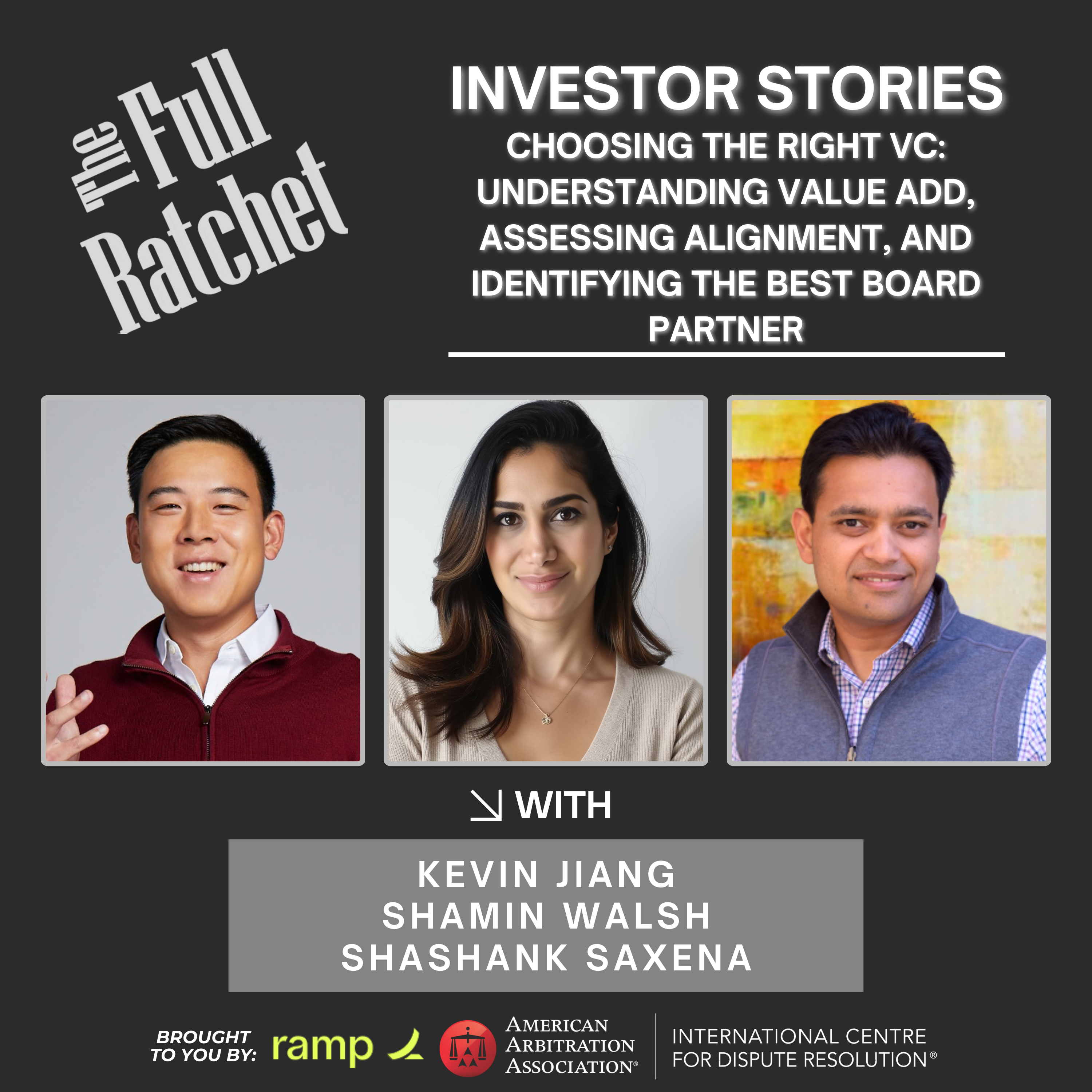
When fundraising, the most critical choice isn't the VC fund's brand but the specific partner who will join the board. Sophisticated founders vet the individual's strengths, weaknesses, and working style, as that person has a more direct impact on the company than the firm's logo on a term sheet.
While multi-stage funds offer deep pockets, securing a new lead investor for later rounds is often strategically better. It provides external validation of the company's valuation, brings fresh perspectives to the board, and adds another powerful, committed firm to the cap table, mitigating signaling risk from the inside investor.

To win highly sought-after deals, growth investors must build relationships years in advance. This involves providing tangible help with hiring, customer introductions, and strategic advice, effectively acting as an investor long before deploying capital.
![David George - Building a16z Growth, Investing Across the AI Stack, and Why Markets Misprice Growth - [Invest Like the Best, EP.450] thumbnail](https://megaphone.imgix.net/podcasts/8da7dbd8-ceeb-11f0-941c-ef83bcdd4c9f/image/d44107bc94719f78fbe91befb141073e.jpg?ixlib=rails-4.3.1&max-w=3000&max-h=3000&fit=crop&auto=format,compress)
Competing to be a founder's "first call" is a crowded, zero-sum game. A more effective strategy is to be the "second call"—the specialist a founder turns to for a specific, difficult problem after consulting their lead investor. This positioning is more scalable, collaborative, and allows for differentiated value-add.

The most effective fundraising strategy isn't a rigid, time-boxed "process." Instead, elite founders build genuine relationships with target VCs over months. When it's time to raise, the groundwork is laid, turning the fundraise into a quick, casual commitment rather than a competitive, game-driven event.

To build immediate trust and demonstrate value, QED partners engage with founders by simulating a board-level conversation from the first meeting. This "pretend I'm your investor" approach showcases their expertise and builds rapport, proving their founder-friendliness rather than just promising it.
