Get your free personalized podcast brief
We scan new podcasts and send you the top 5 insights daily.
Open-source initiatives like OpenClaw can surpass well-funded corporate R&D because they leverage a global pool of contributors. This distributed approach uncovers genius in unlikely places, allowing for breakthroughs that siloed internal teams might miss.

Related Insights
In the emerging AI agent space, open-source projects like 'Claude Bot' are perceived by technical users as more powerful and flexible than their commercial, venture-backed counterparts like Anthropic's 'Cowork'. The open-source community is currently outpacing corporate product development in raw capability.

By open-sourcing its model, Boltz created a feedback loop where the community discovered novel use-cases, like a crude but effective "inference-time search" for antibody prediction. This demonstrates how open access allows external users to find creative applications the original developers hadn't considered.
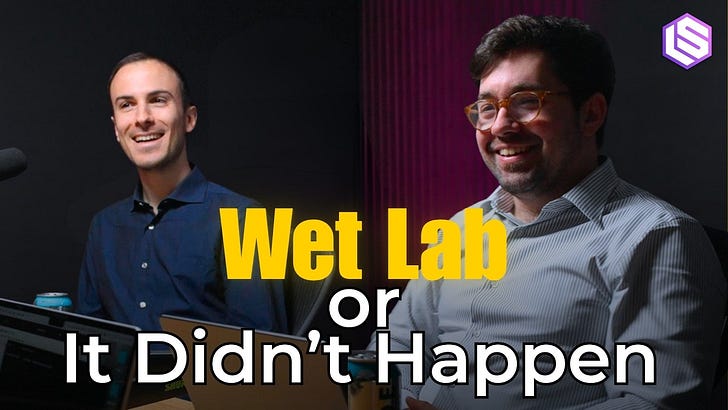
The story of OpenClaw's creator shows how a single person can build a tool so superior to what large labs like OpenAI produce that it forces a high-profile "acqui-hire." This highlights the immense leverage of individual talent in the current AI landscape.
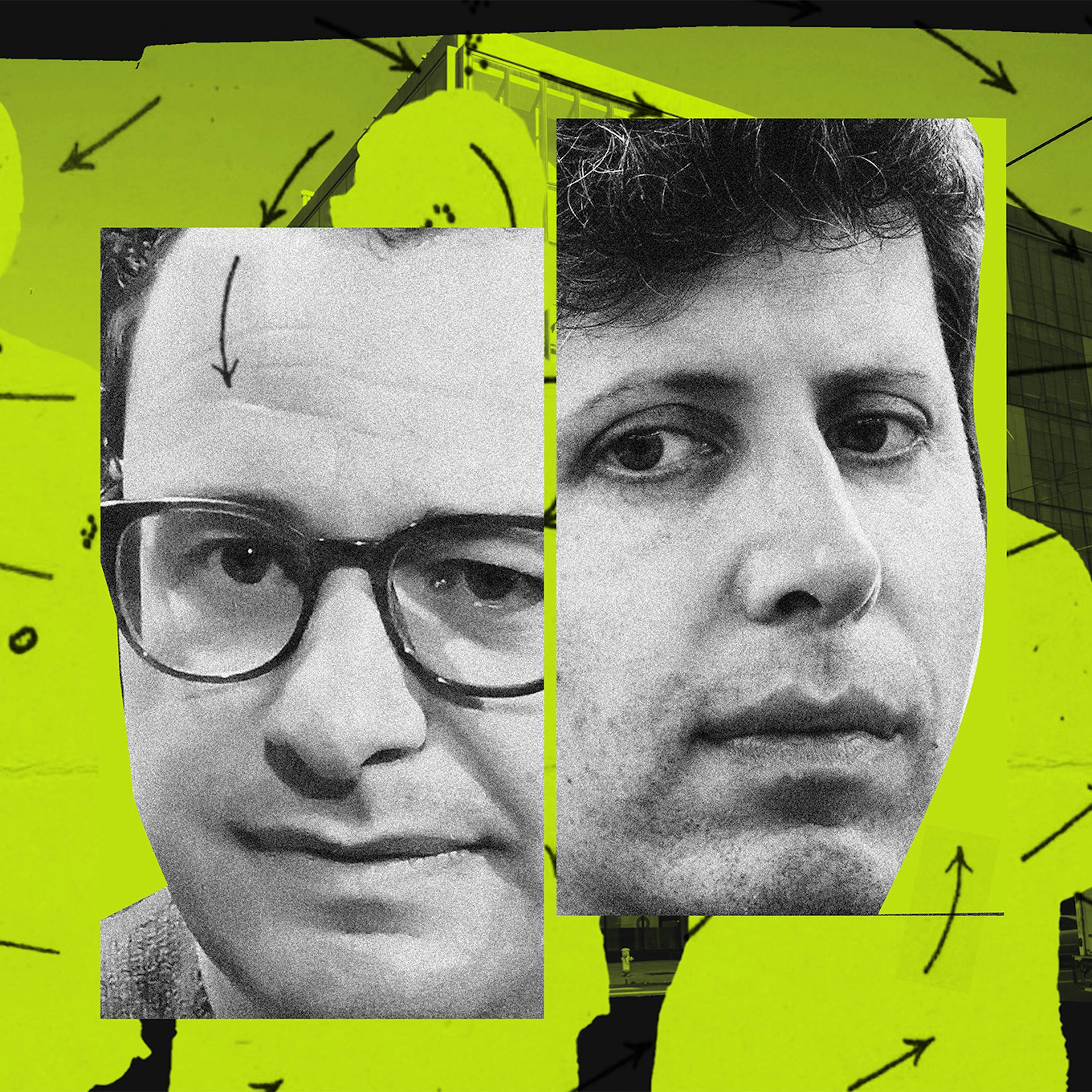
Challenging the narrative of pure technological competition, Jensen Huang points out that American AI labs and startups significantly benefited from Chinese open-source contributions like the DeepSeek model. This highlights the global, interconnected nature of AI research, where progress in one nation directly aids others.

The current trend toward closed, proprietary AI systems is a misguided and ultimately ineffective strategy. Ideas and talent circulate regardless of corporate walls. True, defensible innovation is fostered by openness and the rapid exchange of research, not by secrecy.

The PC revolution was sparked by thousands of hobbyists experimenting with cheap microprocessors in garages. True innovation waves are distributed and permissionless. Today's AI, dominated by expensive, proprietary models from large incumbents, may stifle this crucial experimentation phase, limiting its revolutionary potential.

Clawdbot, an open-source project, has rapidly achieved broad, agentic capabilities that large AI labs (like Anthropic with its 'Cowork' feature) are slower to release due to safety, liability, and bureaucratic constraints.
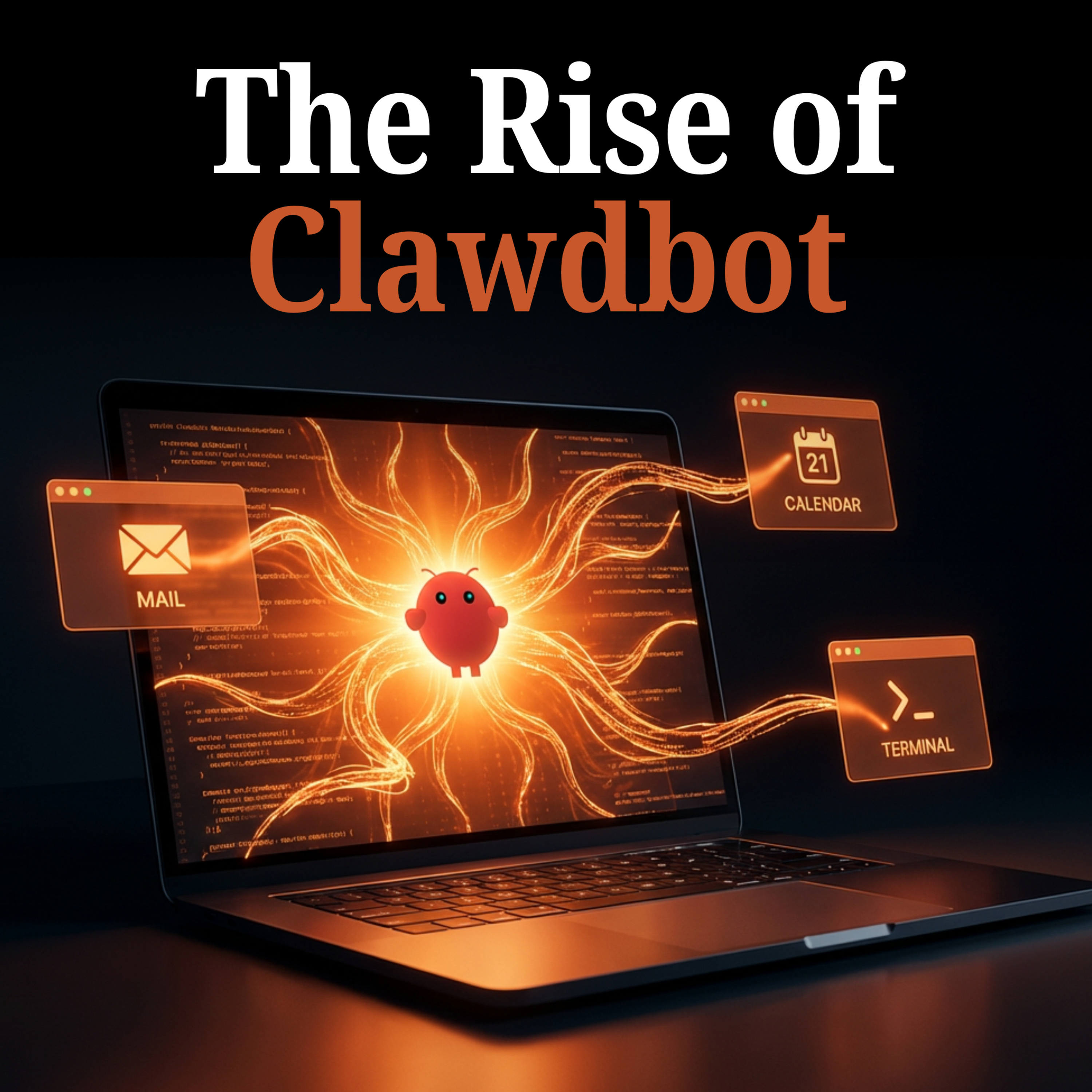
The technical capabilities of OpenClaw are replicable; its real moat is the massive, self-reinforcing community of builders and resources that spontaneously converged around it. OpenAI acquired not just a tool, but the entire ecosystem's focal point for agentic AI development—a far more durable competitive advantage than code alone.

The idea that one company will achieve AGI and dominate is challenged by current trends. The proliferation of powerful, specialized open-source models from global players suggests a future where AI technology is diverse and dispersed, not hoarded by a single entity.

Altman praises projects like OpenClaw, noting their ability to innovate is a direct result of being unconstrained by the lawsuit and data privacy fears that paralyze large companies. He sees them as the "Homebrew Computer Club" for the AI era, pioneering new UX paradigms.