Get your free personalized podcast brief
We scan new podcasts and send you the top 5 insights daily.
Founder Paul Vizzio initially optimized a CNC-machined part from $45 to $25. To hit a consumer price point, he redesigned it for die casting and found a specialized supplier, dropping the cost to ~$2.50. This enabled a viable business model.

Related Insights
RemieDog founder Paul Vizzio was quoted $15,000 for a die-cast tool by his general suppliers. By finding a factory that specialized in small, niche die-cast components, he reduced the tooling cost to just $700, making the project financially viable.
The "Idiot Index" is a powerful metric Musk uses to identify massively overpriced components. It's the ratio of a finished part's price to its raw material cost. A high index signals a prime target for cost reduction and process simplification.

Roelof Botha claims "cost is the secret of Silicon Valley." While product innovation gets the attention, relentless cost reduction is the bigger driver of success. It democratizes technology and provides a true competitive advantage, unlike simply lowering prices.

RemieDog founder Paul Vizzio warns that even with a 4x markup on COGS, profitability is elusive. Hidden costs like advertising, patents, shipping, and inventory management can quickly erase margins if not carefully planned for from the start.
To cut the cost of his initial CNC prototype, Paul Vizzio shrunk its length. This allowed the manufacturer to machine a key through-hole in a single pass from one side, eliminating a costly secondary setup and reducing overall machine time.
SpaceX measures the ratio of a part's market price to its raw materials' cost (the "idiot index"). A high ratio signals an opportunity for radical cost savings by building it in-house, dismantling supplier dependency and rethinking cost from first principles.

A harsh reality for hardware startups is that manufacturing and development costs are consistently underestimated. Zipline's founder uses a 10x rule of thumb. They survived by signing a contract at a fixed price, losing money for years while driving costs down through relentless, incremental improvements.

Elon Musk uses this metric to identify manufacturing inefficiencies. A high ratio between the cost of a finished part and its raw materials—a high 'idiot index'—signals a significant opportunity for cost reduction through smarter, first-principles-based manufacturing techniques.
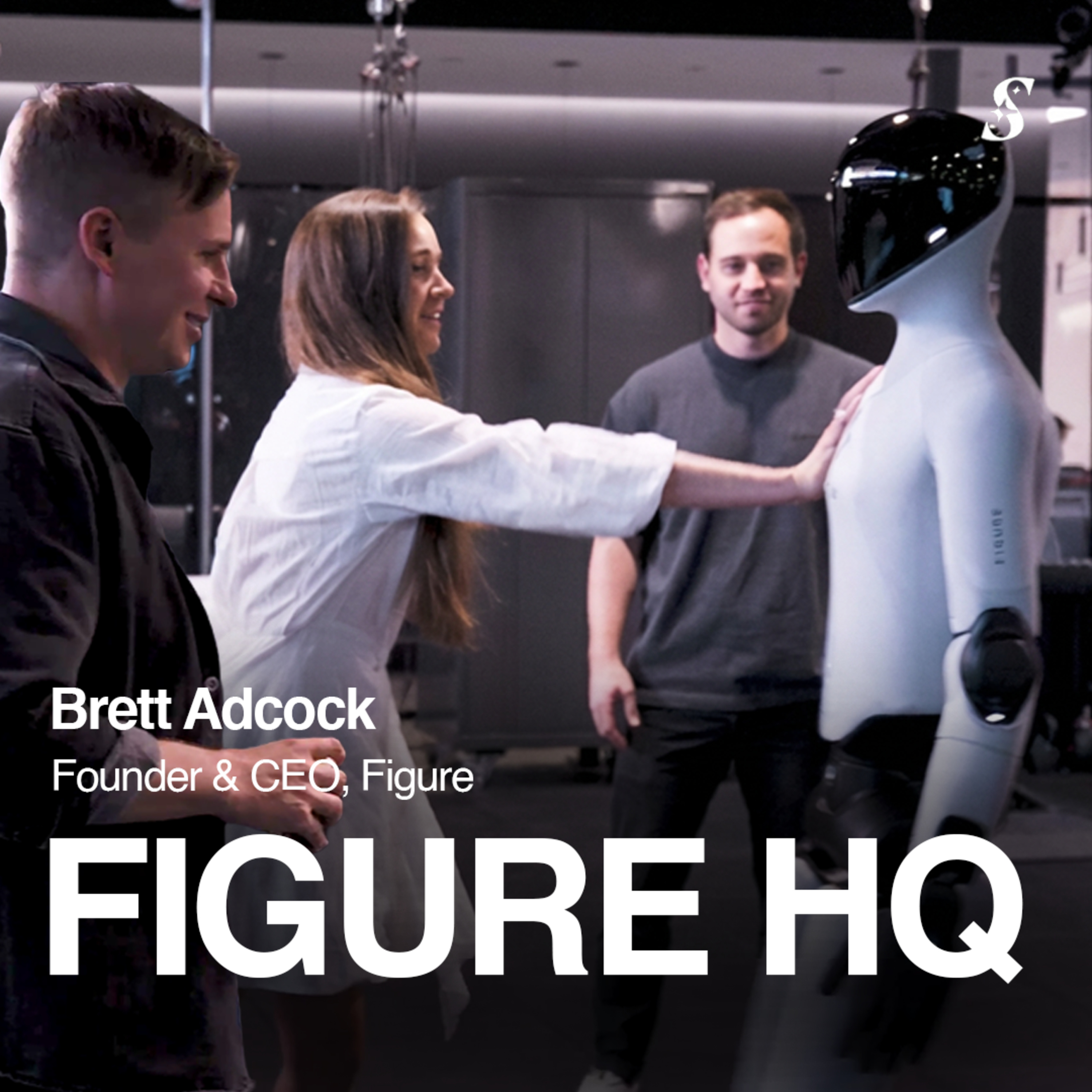
Figure's first robots were optimized for development speed using expensive CNC manufacturing. For its third generation, the company focused on design-for-manufacturing, successfully reducing the cost by nearly an order of magnitude while simultaneously improving the robot's capabilities and slimming its design.
Anduril prototypes drone frames by milling them from solid metal blocks. While extremely wasteful and expensive for mass production, this method bypasses the slow and costly process of creating molds for casting, drastically reducing latency during the critical iterative design phase and getting products to market faster.