Get your free personalized podcast brief
We scan new podcasts and send you the top 5 insights daily.
Instead of one generalist AI assistant, create multiple specialized agents, each with a unique persona (e.g., a creative teacher) defined in a "soul" file. Partition their access to specific data "vaults" (like separate Obsidian folders). This specialization improves output quality and maintains logical, secure boundaries between different life domains.

Related Insights
To build a useful multi-agent AI system, model the agents after your existing human team. Create specialized agents for distinct roles like 'approvals,' 'document drafting,' or 'administration' to replicate and automate a proven workflow, rather than designing a monolithic, abstract AI.
Building a single, all-purpose AI is like hiring one person for every company role. To maximize accuracy and creativity, build multiple custom GPTs, each trained for a specific function like copywriting or operations, and have them collaborate.

The strategy for a one-person AI-powered business isn't a single 'do-everything' agent. Instead, it's creating a team of specialized agents in different 'channels'—one for lead gen, one for blog content, one for analytics—mirroring a company's departmental structure.

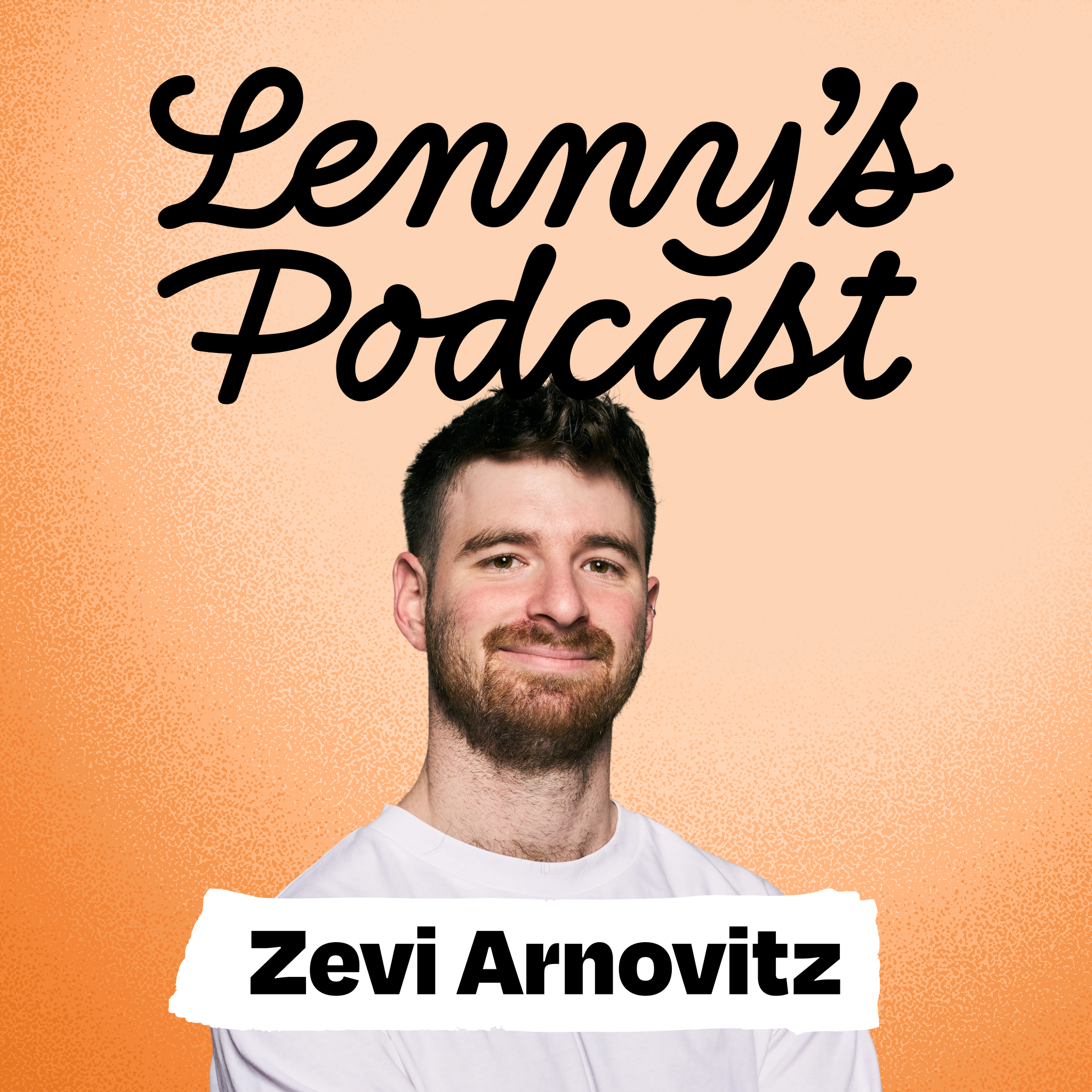
Treat different LLMs like colleagues with distinct personalities. Zevi Arnovitz views Claude as a collaborative dev lead, Codex (GPT) as a brilliant but terse bug-fixer, and Gemini as a creative but chaotic designer. This mental model helps in delegating tasks to the most suitable AI, maximizing their strengths and mitigating their weaknesses.
Separating AI agents into distinct roles (e.g., a technical expert and a customer-facing communicator) mirrors real-world team specializations. This allows for tailored configurations, like different 'temperature' settings for creativity versus accuracy, improving overall performance and preventing role confusion.
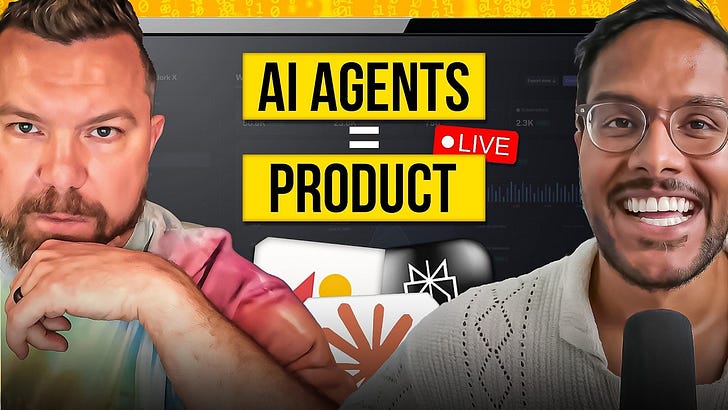
Instead of relying on a single, all-purpose coding agent, the most effective workflow involves using different agents for their specific strengths. For example, using the 'Friday' agent for UI tasks, 'Charlie' for code reviews, and 'Claude Code' for research and backend logic.

Run separate instances of your AI assistant from different project directories. Each directory contains a configuration file providing specific context, rules, and style guides for that domain (e.g., writing vs. task management), creating specialized, expert assistants.

Instead of creating one monolithic "Ultron" agent, build a team of specialized agents (e.g., Chief of Staff, Content). This parallels existing business mental models, making the system easier for humans to understand, manage, and scale.

Shift from using AI as a tool to building a team of custom GPTs with specific roles (e.g., Marketing Strategist). "Train" them with comprehensive documentation and SOPs, just as you would a new human hire, to achieve specialized, high-quality output.

Instead of a single AI assistant, create multiple bots with unique personalities and skill sets (e.g., fitness, finance) to better manage different aspects of your life. This provides a clear separation of concerns and a more engaging way to interact with your personal AI.