Get your free personalized podcast brief
We scan new podcasts and send you the top 5 insights daily.
Former official Jon Finer posits that sustained American public support for aiding Ukraine stems from its clear, digestible narrative of a perpetrator (Russia) and a victim (Ukraine). This contrasts sharply with the Iraq War, where complex justifications and moral ambiguity made it harder for the public to engage.
Related Insights
Rising support for violence on campus stems from a belief that political opponents represent 'genuine evil' or 'fascism,' not just a differing opinion. This moral framing removes normal constraints on behavior, making violence seem like a necessary and justifiable response.

The ICE incident involving a five-year-old child illustrates how modern political battles are fought over perception. Both sides present wildly different narratives of the same event, leaving the public to choose a story rather than understand the facts. Controlling the narrative has become the primary goal.

Across history, from Nazis calling Jews "pestilence" to Hutus calling Tutsis "cockroaches," propaganda follows a single playbook. By labeling an out-group as non-human (animals, viruses), it deactivates the brain's social cognition and empathy networks, making it psychologically easier to commit atrocities.

European leaders have shifted from seeing Ukraine as a moral cause to a vital strategic asset. Ukraine's battle-tested army is viewed as Europe's "shield," and its innovations in drone warfare are seen as Europe's future "arsenal," especially amid doubts about US security guarantees.

Before the Ukraine invasion, U.S. officials strategically declassified intelligence about Russia's plans. This offensive information warfare tactic effectively neutralized Putin's intended narrative that Ukraine was the aggressor before he could even launch it, narrating the war on their own terms.
Beneath the official government narrative of resilience and total victory, a significant portion (40%) of the Ukrainian population is tired of the war and now open to a compromise to end the fighting, revealing significant war fatigue.
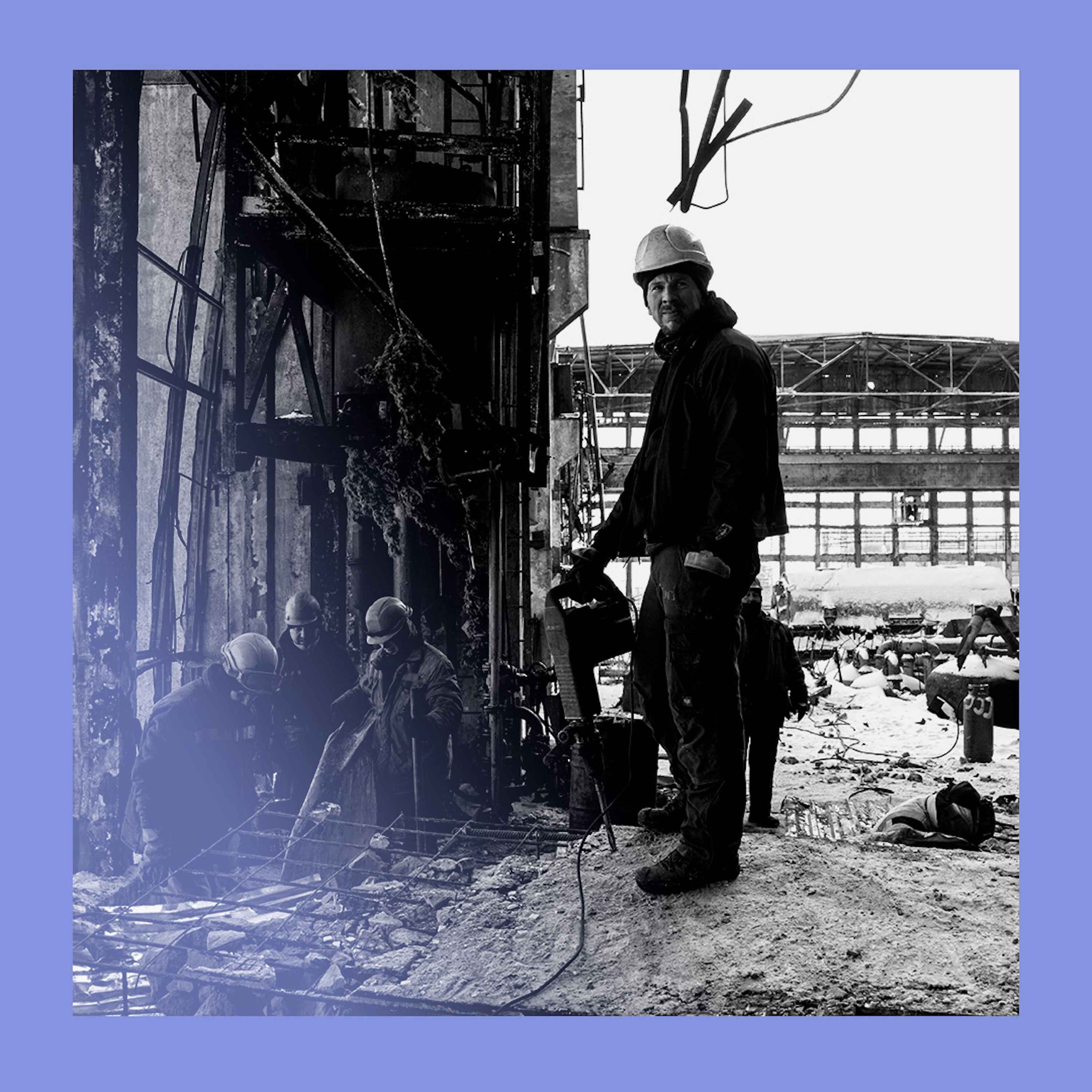
Soviet leaders who lived through WWII understood the unpredictability of direct conflict and preferred proxy wars. Vladimir Putin, in contrast, has consistently used direct "hot wars"—from Chechnya to Georgia to Ukraine—as a primary tool to consolidate power and boost his domestic popularity.

Effective political propaganda isn't about outright lies; it's about controlling the frame of reference. By providing a simple, powerful lens through which to view a complex situation, leaders can dictate the terms of the debate and trap audiences within their desired narrative, limiting alternative interpretations.

The idea that Ukraine must accept a peace deal because the war is "unwinnable" is a flawed narrative that mirrors Russian propaganda. This perspective overlooks Russia's massive daily casualties and straining wartime economy. The war is unsustainable, but arguably more so for Russia than for Ukraine.

During a crisis, a simple, emotionally resonant narrative (e.g., "colluding with hedge funds") will always be more memorable and spread faster than a complex, technical explanation (e.g., "clearinghouse collateral requirements"). This highlights the profound asymmetry in crisis communications and narrative warfare.
