Get your free personalized podcast brief
We scan new podcasts and send you the top 5 insights daily.
Before his appointment, Kevin Warsh actively argued for rate cuts, citing alternative metrics like trimmed mean PCE to make his case. However, his first FOMC meeting revealed a surprisingly hawkish pivot focused squarely on price stability, demonstrating a significant shift from his 'audition' rhetoric that had markets expecting a more dovish stance.

Related Insights
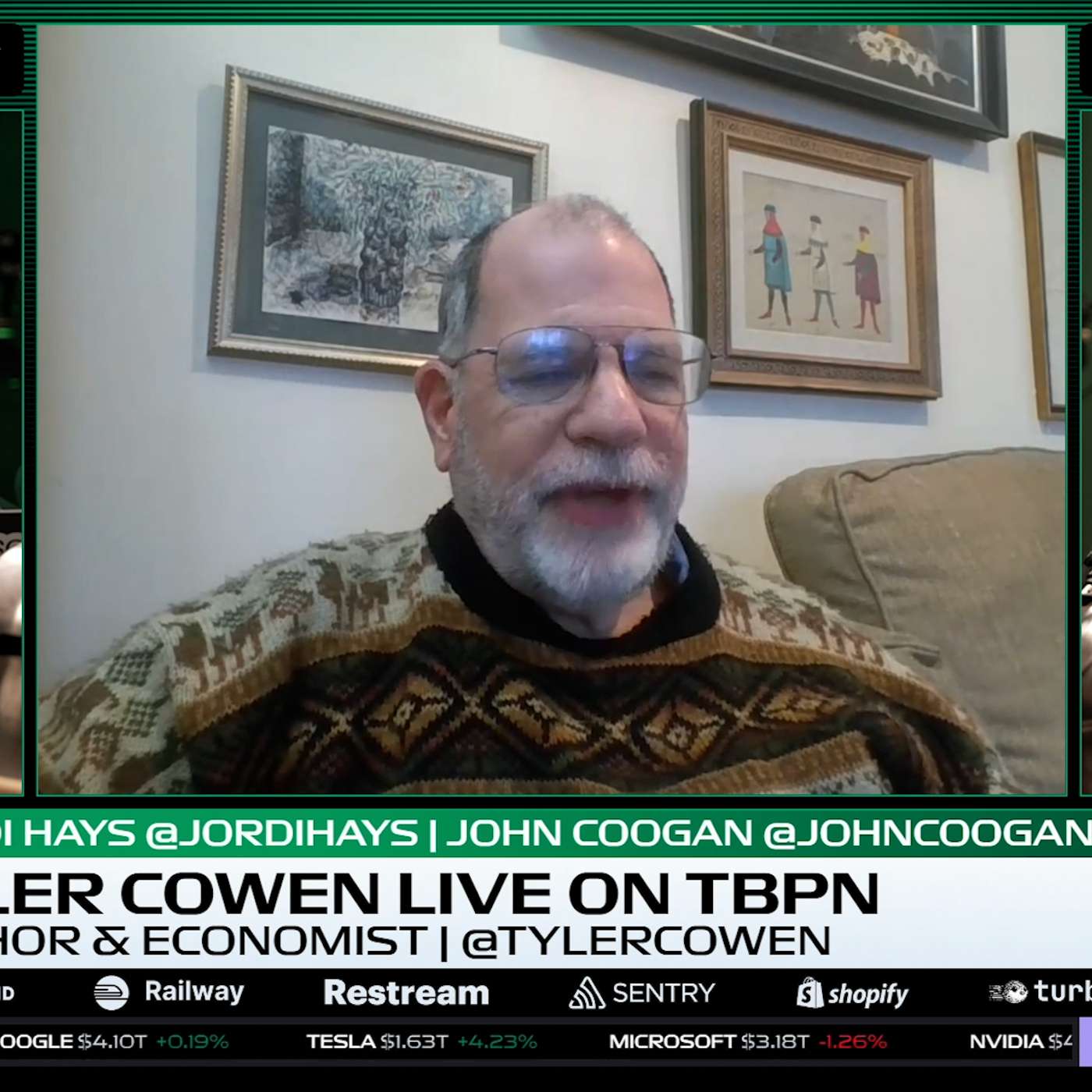
Tyler Cowen argues that Kevin Warsh is a political operator whose past economic stances are less predictive of his future actions than his desire to navigate the political landscape, particularly his relationship with Trump. Warsh's personal wealth from the Lauder family gives him the freedom to act independently if necessary, making his political calculus the key variable.
Kevin Warsh argues the Fed has experienced "scope creep" by taking on quantitative easing, broad bank regulation, and social initiatives. He advocates for a return to a narrow mandate focused on price stability, using interest rates as the primary tool and exiting non-conventional mechanisms.

Critics allege Kevin Warsh exhibits a pattern of partisanship, worrying about inflation and fiscal excess under Democratic presidents but pivoting to pro-growth, lower-rate stances under Republicans. This behavior raises serious questions about his political independence and commitment to the Fed's dual mandate, regardless of the administration in power.

Despite his reputation as an inflation hawk, Fed Chair nominee Kevin Warsh is arguing for lower interest rates. He claims a coming AI-driven productivity boom will be disinflationary, allowing for looser monetary policy. This stance strategically aligns with President Trump's desire for rate cuts, making his nomination politically palatable.
While markets expect new Fed Chair Kevin Warsh to be dovish, his ability to cut rates is limited. The FOMC committee is scarred by its 'transitory' inflation misjudgment and now prioritizes risk management over prognostication. The Chair must build a seven-vote consensus and cannot act unilaterally, constraining any personal policy leanings.

To secure a nomination from a president like Donald Trump, candidates like Kevin Warsh must publicly adopt positions, such as rate cuts, that contradict their hawkish history. This "audition process" creates fundamental uncertainty about their true policy direction once appointed.
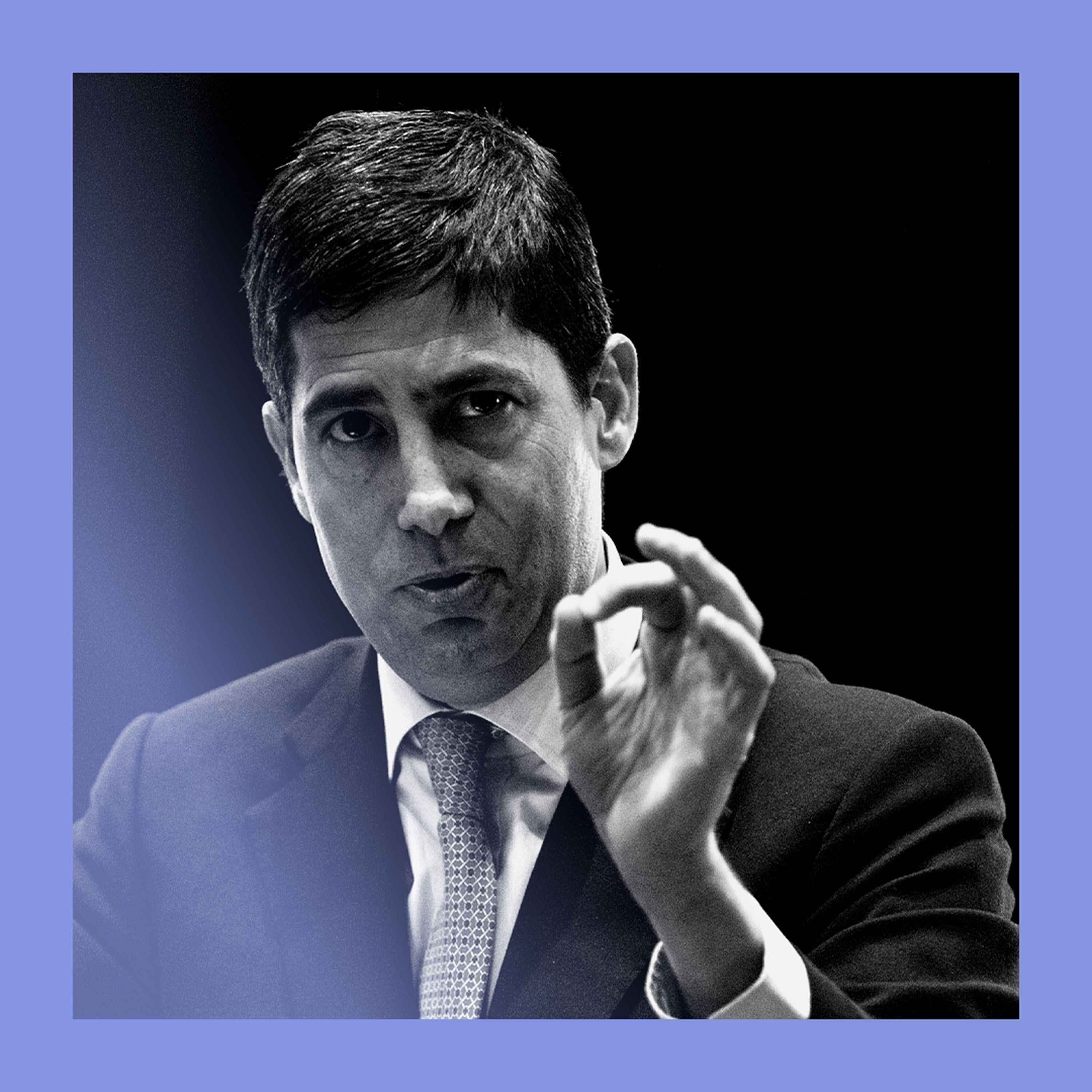
Even if new Fed Chair Kevin Warsh wants to cut rates to appease President Trump, he may not be able to. The Fed is acting more independently, with frequent dissents among members. He would need to secure seven votes for a rate cut, a difficult task given the current hawkish sentiment among voters.

Kevin Warsh's confirmation hearings suggest a potential regime change at the Fed. He has indicated possible shifts in how inflation is measured (using trimmed mean), the size of the balance sheet, and a reduction in market communication like forward guidance.
A quantitative analysis of the FOMC press conference showed inflation and oil-related terms appeared five times more frequently than labor market terms. This overwhelming focus on price stability makes it difficult for the Fed to convey a dovish message, shaping market perception towards a more hawkish stance.

The Trump administration's desire for rate cuts is a given. Warsh's distinct, long-held agenda is to reduce the Fed's balance sheet. This reconciles his hawkish reputation with the dovish policy of cutting rates, a consensus view within the administration.