Get your free personalized podcast brief
We scan new podcasts and send you the top 5 insights daily.
Even if new Fed Chair Kevin Warsh wants to cut rates to appease President Trump, he may not be able to. The Fed is acting more independently, with frequent dissents among members. He would need to secure seven votes for a rate cut, a difficult task given the current hawkish sentiment among voters.

Related Insights
The widely expected 25 basis point rate cut was overshadowed by two dissents—one for a larger cut and one for holding rates steady. This internal division, along with four reserve banks requesting no discount rate change, signals significant uncertainty and disagreement within the Fed about the future path of monetary policy.

Increasing political influence, including presidential pressure and politically-aligned board appointments, is compromising the Federal Reserve's independence. This suggests future monetary policy may be more dovish than economic data warrants, as the Fed is pushed to prioritize short-term growth ahead of elections.

The Fed Chair is just one vote on the FOMC and cannot unilaterally dictate policy. To be effective, they must persuade other governors and regional presidents. A nominee like Kevin Warsh, perceived as partisan and not data-driven, may struggle to build the necessary consensus to implement his agenda, rendering him less powerful than expected.

Despite their public prominence, the Fed Chair only has one of twelve votes on the FOMC. Their influence stems from persuading committee members. Chairs avoid being outvoted by understanding the committee's consensus and sometimes aligning with it rather than forcing a losing vote.
While presidents focus on interest rates, a Fed Chair like Kevin Warsh has limited sway as one of 12 votes. His real impact will be on technical areas like the Fed's balance sheet, where he has stronger personal convictions and faces less political scrutiny.
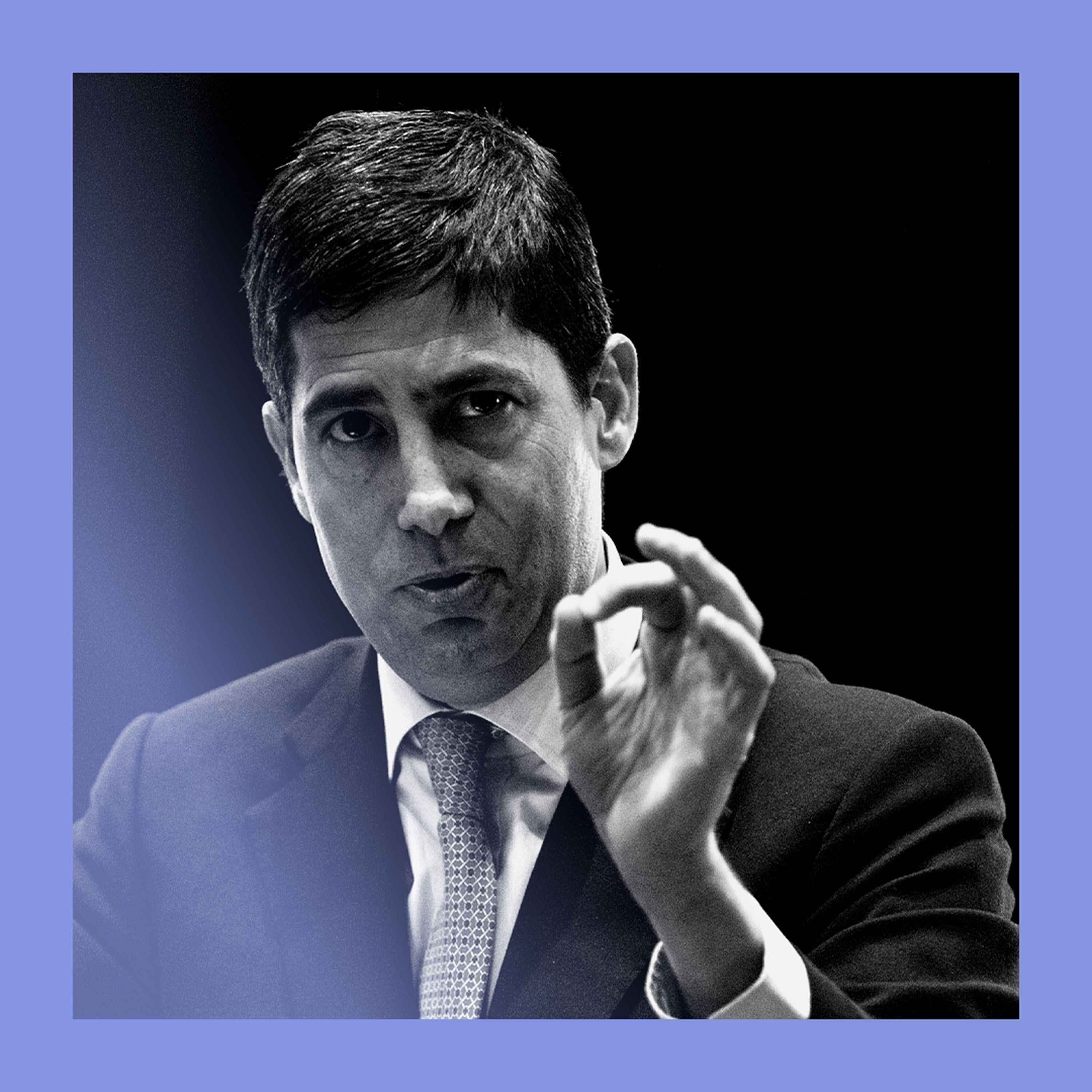
Even if a politically motivated chair is appointed, the Federal Reserve's independence is largely preserved by the Federal Open Market Committee (FOMC) structure. The chair only has one vote and must build consensus among other governors and regional bank presidents, making radical, unilateral policy shifts nearly impossible.
The debate over Fed independence is misplaced; it has already been compromised. Evidence includes preemptive reappointments of regional bank presidents and outspokenness from governors concerned about being bullied, indicating the Fed no longer operates in its prior insulated environment.
Despite a change in leadership, the Federal Reserve's interest rate policy is unlikely to shift materially in the near term. The new chair, Kevin Warsh, must build consensus among 16 other committee members whose views are established. The Fed's reaction function is driven by collective data analysis, not the sole will of the chair.

The Fed Chair leads policy but cannot dictate it. They must build consensus within the Federal Open Market Committee (FOMC), where dissents are not uncommon. History shows chairs like Volcker and Bernanke faced significant internal resistance and had to aggressively persuade members to follow their lead.
A new Fed Chair cannot unilaterally shift monetary policy by large margins (e.g., 1-2 percentage points). Policy is made by the Federal Open Market Committee (FOMC), where the chair must build consensus. History shows that dissents are not uncommon, limiting a chair's ability to enact radical changes.
