Get your free personalized podcast brief
We scan new podcasts and send you the top 5 insights daily.
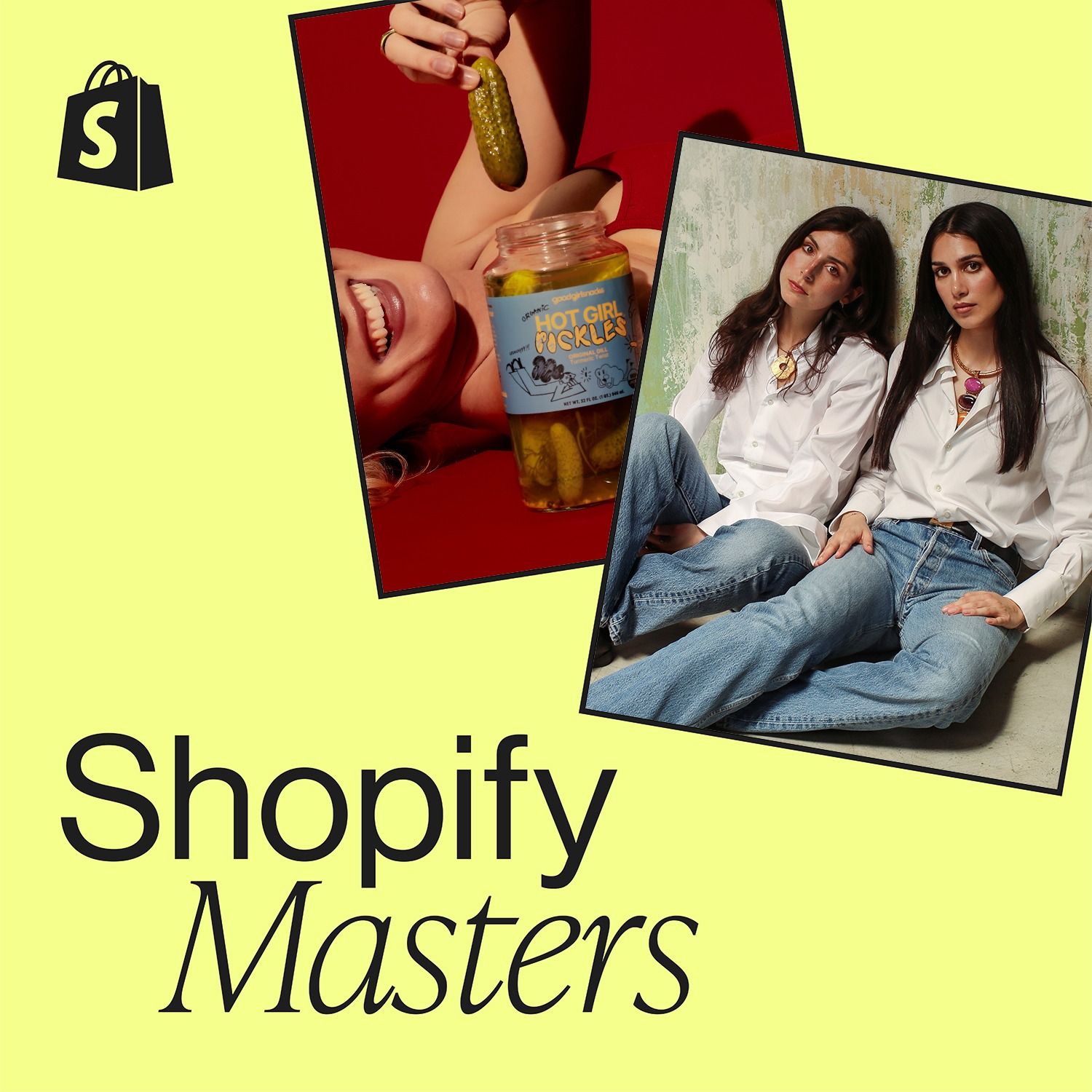
Good Girl Snacks transformed a disastrous PR campaign, where 200 boxes broke in transit, into a viral video. By being transparent about their "panic moments" and operational failures, they built a stronger, more forgiving community that respected their honesty.

Related Insights
Faced with 10,000 misprinted boxes, the company embraced the error instead of absorbing the cost. They launched a limited "Whoops Edition" with a campaign celebrating failure. This turned a potential financial loss into a PR win and a sales success, humanizing the brand.

After thieves stole a truck with 12 metric tons of KitKats, Nestlé and other brands immediately used humor on social media to turn the event into a viral marketing moment. This approach transforms a potentially embarrassing incident into positive brand engagement.

Contrary to the belief that businesses must appear flawless, sharing behind-the-scenes struggles and unpolished content can build stronger community and loyalty. This raw authenticity resonates more with audiences than a curated image, humanizing the brand and making customers feel like part of the journey.
Eric Zhu's viral story of taking VC calls from a high school bathroom wasn't a PR stunt; it was a genuine hardship. He later packaged this authentic struggle into compelling content, demonstrating that powerful marketing stories often come from real, unglamorous challenges.

Instead of hiding operational failures like 200 broken PR boxes, the founders create content about them. This authentic, "warts-and-all" approach builds community trust and often results in viral videos, turning a negative into a brand-building positive.
When the first Kickstarter orders were shipped in flimsy envelopes and arrived shattered, Jing panicked and proactively emailed every customer. This raw transparency, rather than defensiveness, turned a potential business-ending disaster into a moment that built immense trust and long-term customer loyalty.
When Way's dry shampoo started exploding, the team owned the "foam party" disaster. By reposting customer complaints with humor and creating a "mean reviews" video series, they turned a potential PR nightmare into a memorable, brand-building moment that resonated with customers.
When a new dry shampoo had a quality issue and began exploding, Way avoided a PR disaster by owning it with humor. They created a #FoamParty hashtag, reposted customer photos, and filmed themselves reading "mean reviews." This transparent, humorous approach built significant brand trust and loyalty out of a crisis.
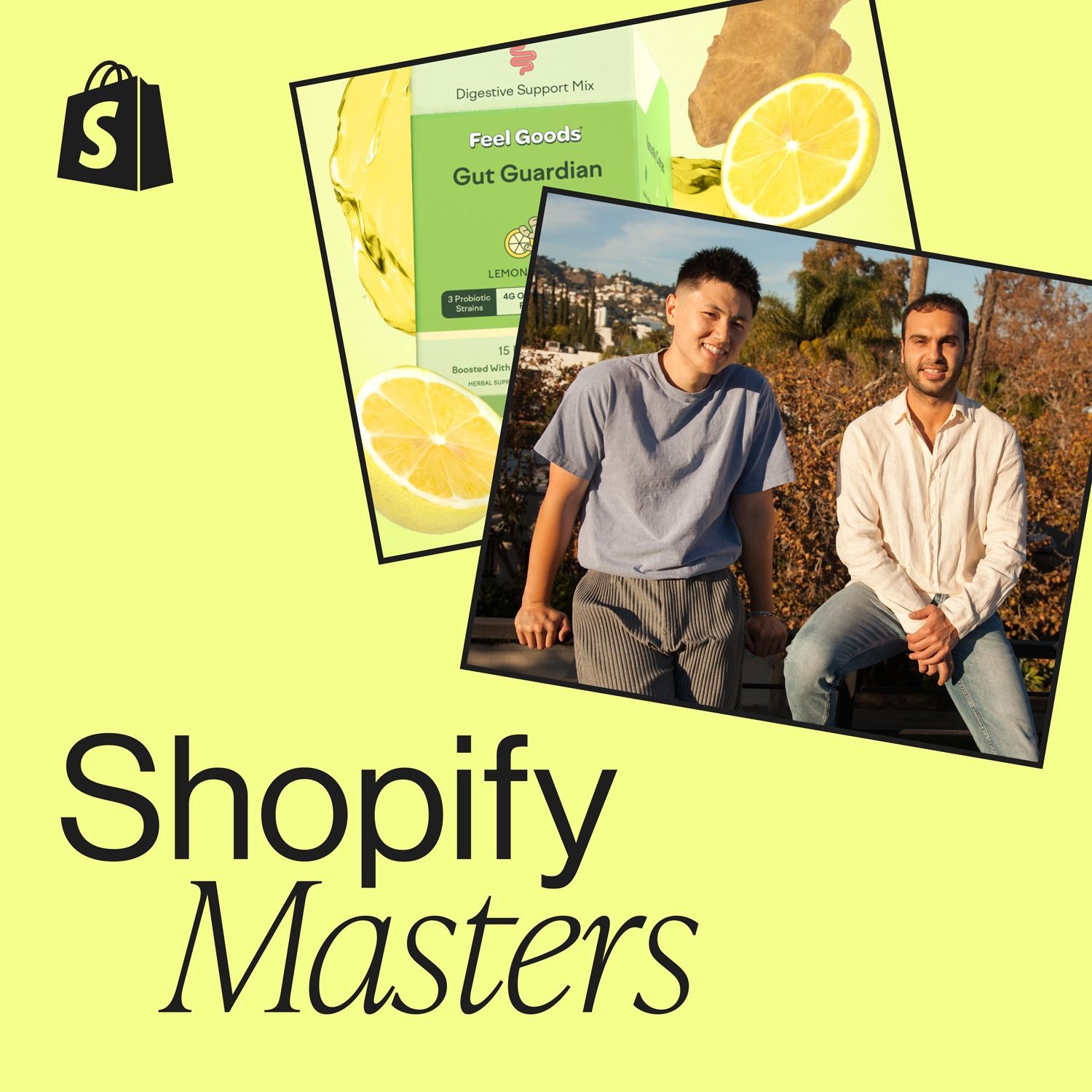
When a labeling error forced Feel Goods to discard a huge product batch, they created a TikTok series about the mistake. This radical transparency generated overwhelmingly positive feedback and loyalty, proving that sharing failures can be a powerful marketing tool.
Nestle's response to a massive Kit Kat theft exemplifies a new public relations playbook. By using self-deprecating humor and leaning into the absurdity, the company transformed a potentially embarrassing crime into a viral meme. This strategy encourages other brands to participate, generating widespread, positive brand awareness from a negative event.