Get your free personalized podcast brief
We scan new podcasts and send you the top 5 insights daily.
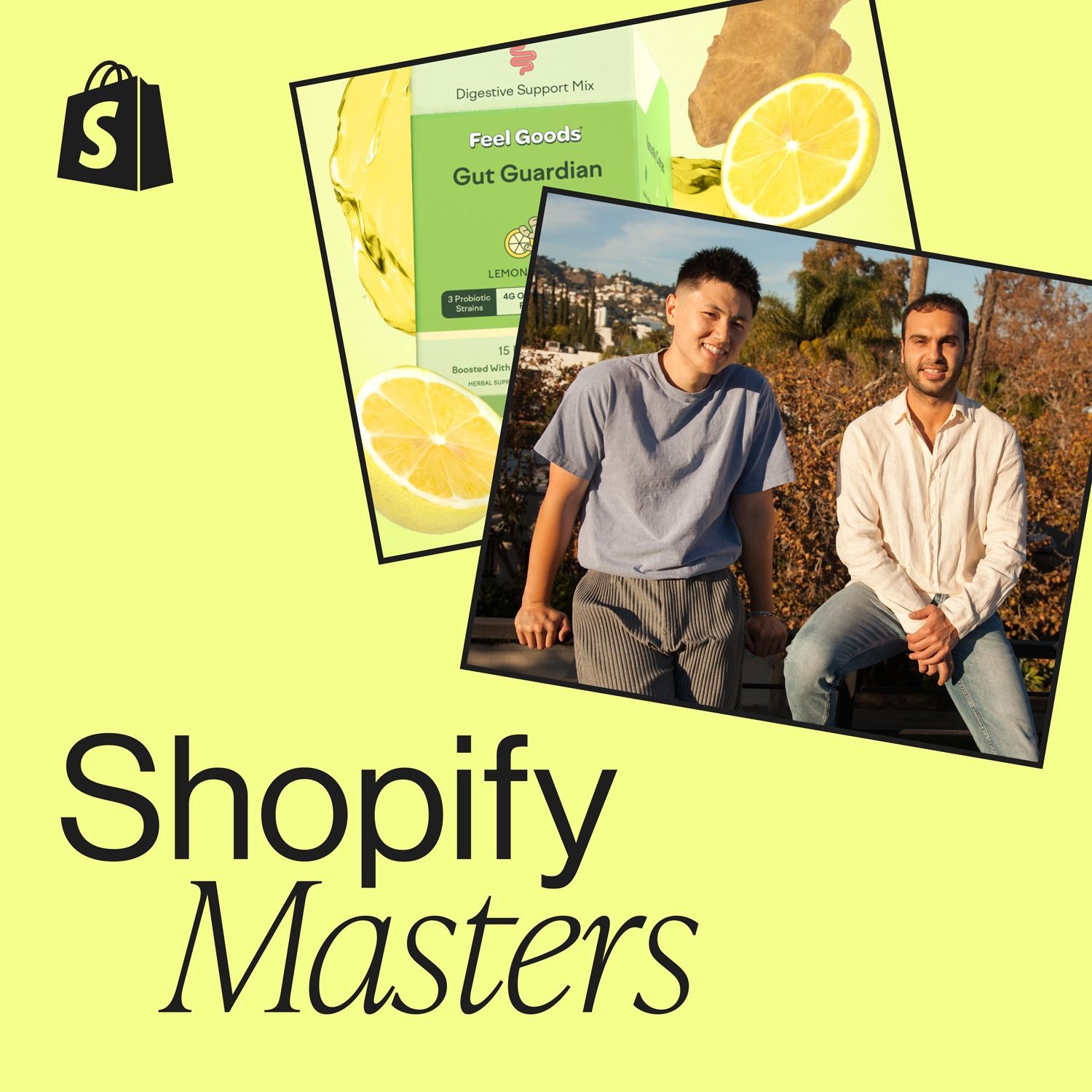
When the first Kickstarter orders were shipped in flimsy envelopes and arrived shattered, Jing panicked and proactively emailed every customer. This raw transparency, rather than defensiveness, turned a potential business-ending disaster into a moment that built immense trust and long-term customer loyalty.

Related Insights
When you make an error, immediately admit it, take full responsibility, and present solutions. This level of candor often builds more trust and long-term business than if the error had never happened.

Founder Ellen Bennett emphasizes that feelings of success are fleeting, while the lessons from difficult moments are permanent. Brands build deep, lasting trust not when things go right, but when they demonstrate accountability and a commitment to learning and improving after things go wrong.
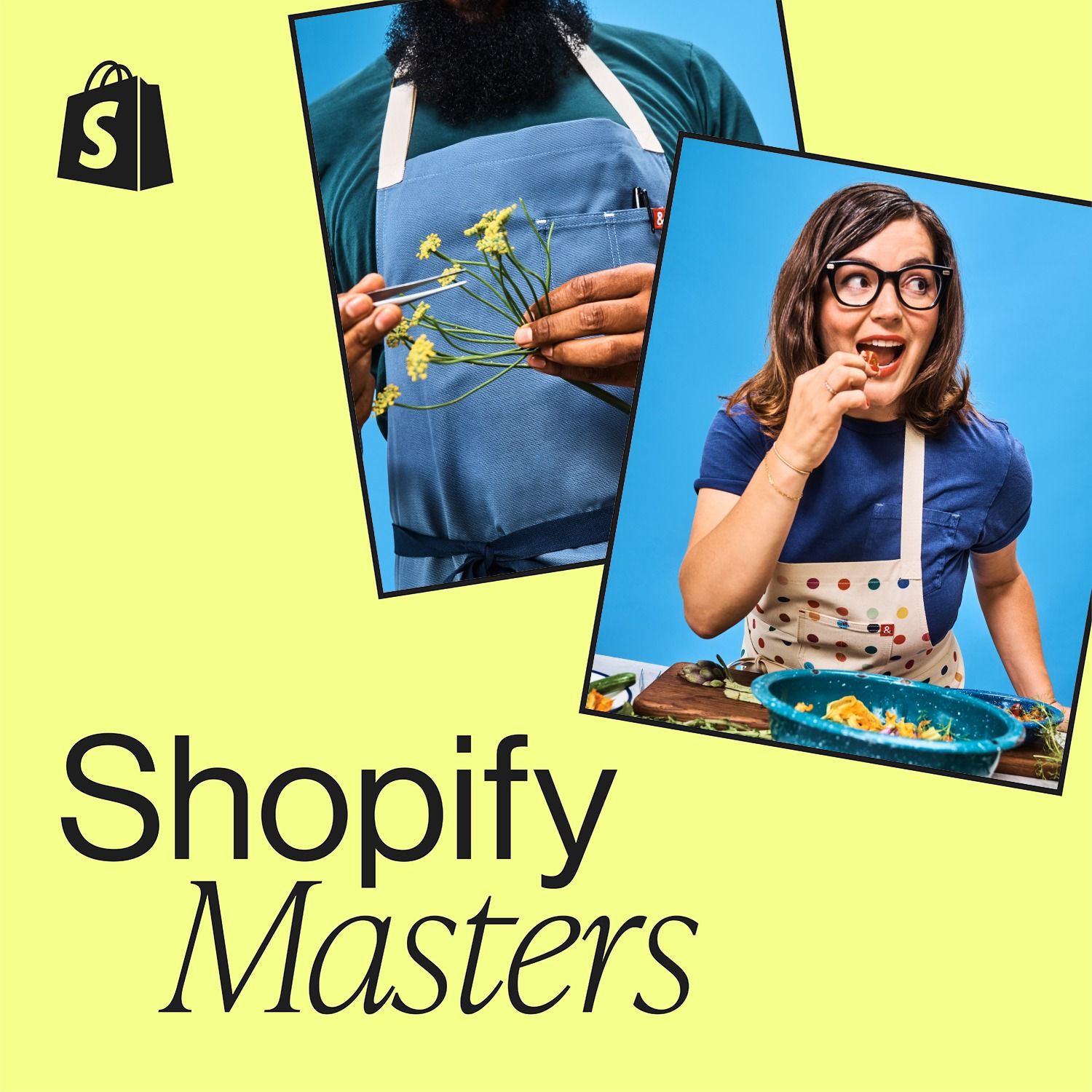
Instead of hiding early product flaws, founders can build a stronger community by openly sharing their mistakes and the correction process. This transparency makes the brand more relatable and human, fostering trust and loyalty more effectively than projecting an image of perfection.
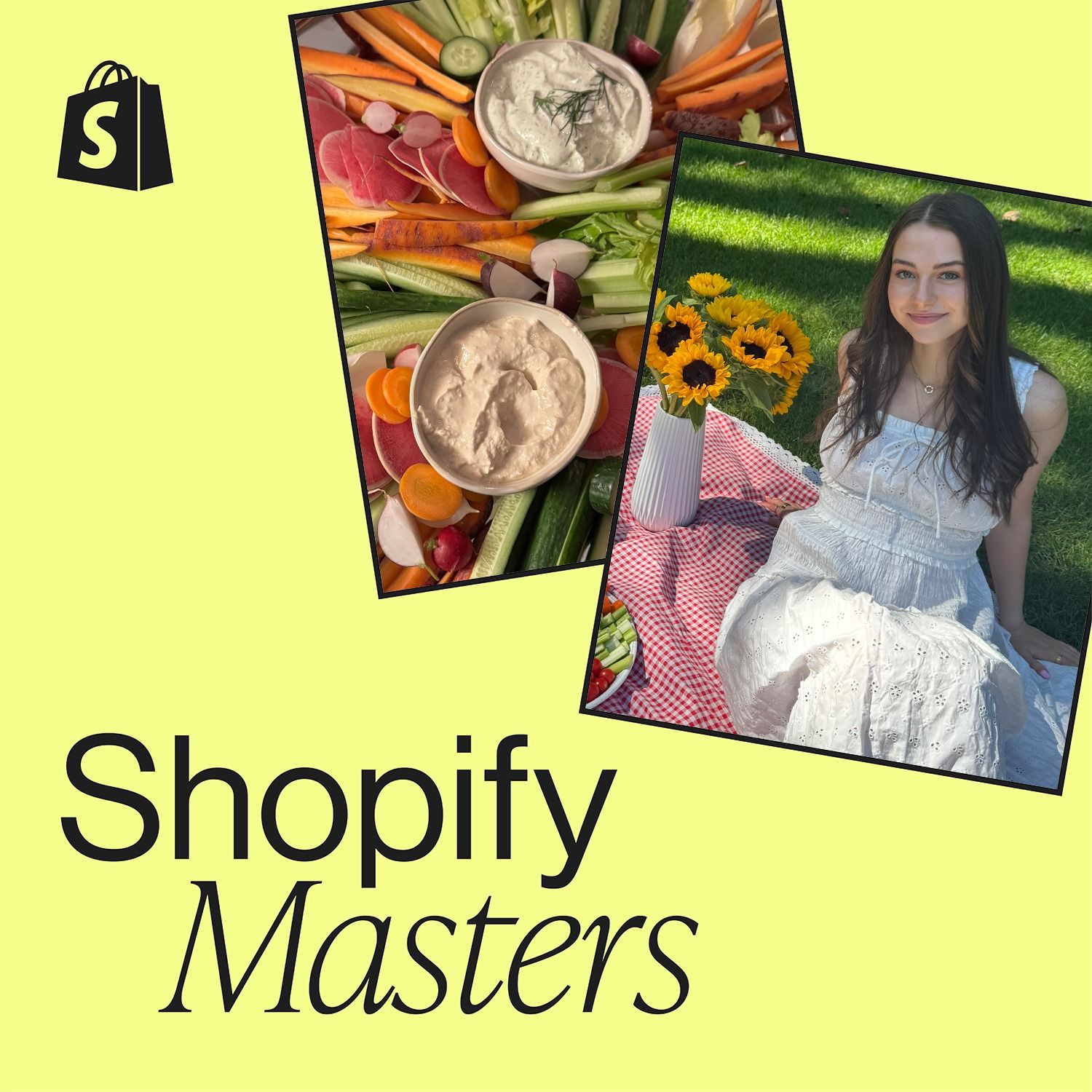
When Norwegian Wool accidentally ruined a customer's Christmas surprise, they didn't just apologize—they sent a second coat for free. This extreme ownership turns a negative experience into a powerful story of goodwill, creating a lifelong brand advocate and reinforcing luxury values.

Instead of hiding operational failures like 200 broken PR boxes, the founders create content about them. This authentic, "warts-and-all" approach builds community trust and often results in viral videos, turning a negative into a brand-building positive.
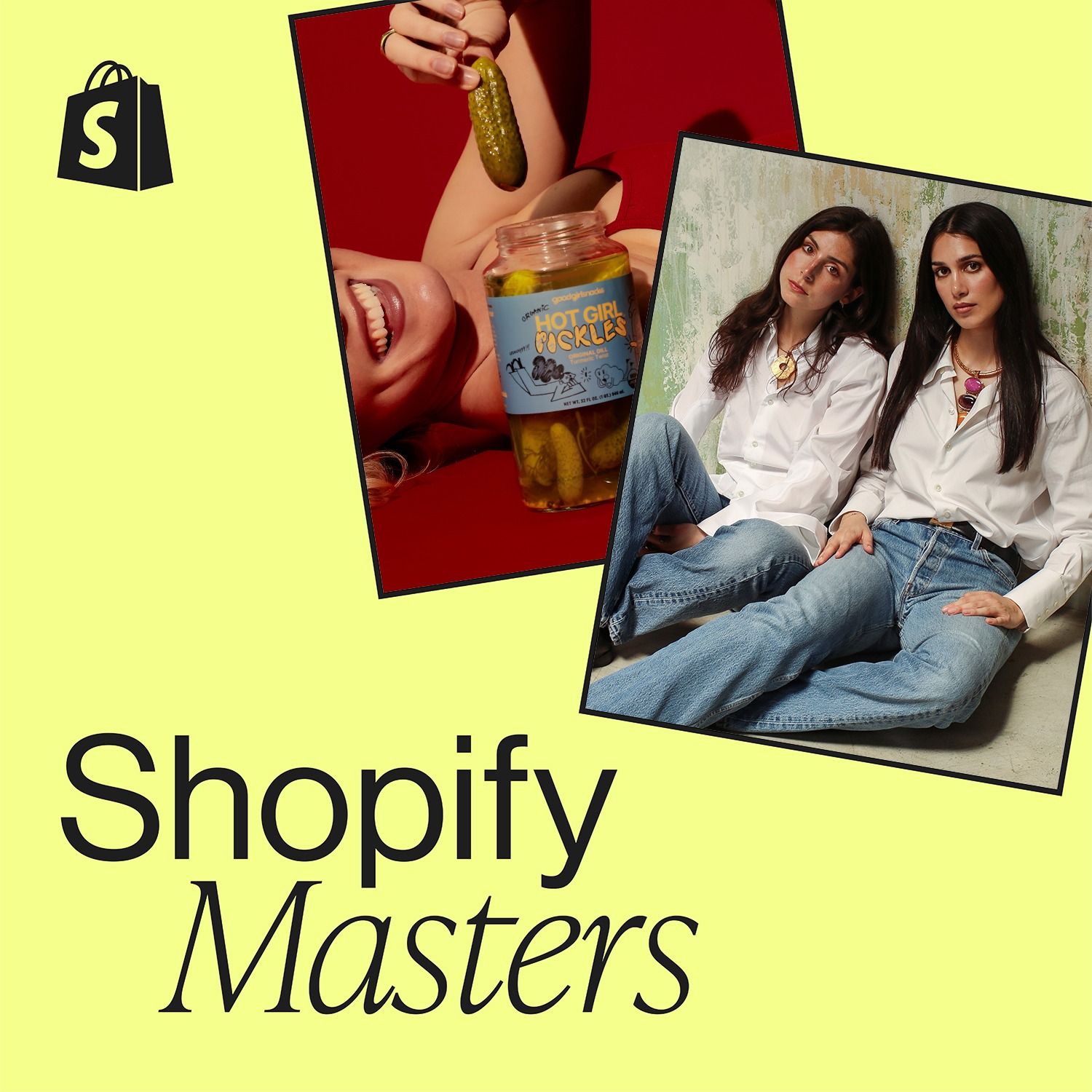
When a 150-apron order failed to meet a deadline, founder Ellen Bennett gave the entire order away for free, despite not having the money. This costly move demonstrated integrity and extreme ownership, solidifying the customer relationship and reinforcing the brand's long-term values over short-term profit.
Customers talk most not about good or bad experiences, but about bad experiences that were turned around exceptionally well. Recklessly underinvesting in customer recovery is a missed opportunity; it should be treated as a top-tier marketing spend that generates immense loyalty and word-of-mouth.

When a new dry shampoo had a quality issue and began exploding, Way avoided a PR disaster by owning it with humor. They created a #FoamParty hashtag, reposted customer photos, and filmed themselves reading "mean reviews." This transparent, humorous approach built significant brand trust and loyalty out of a crisis.
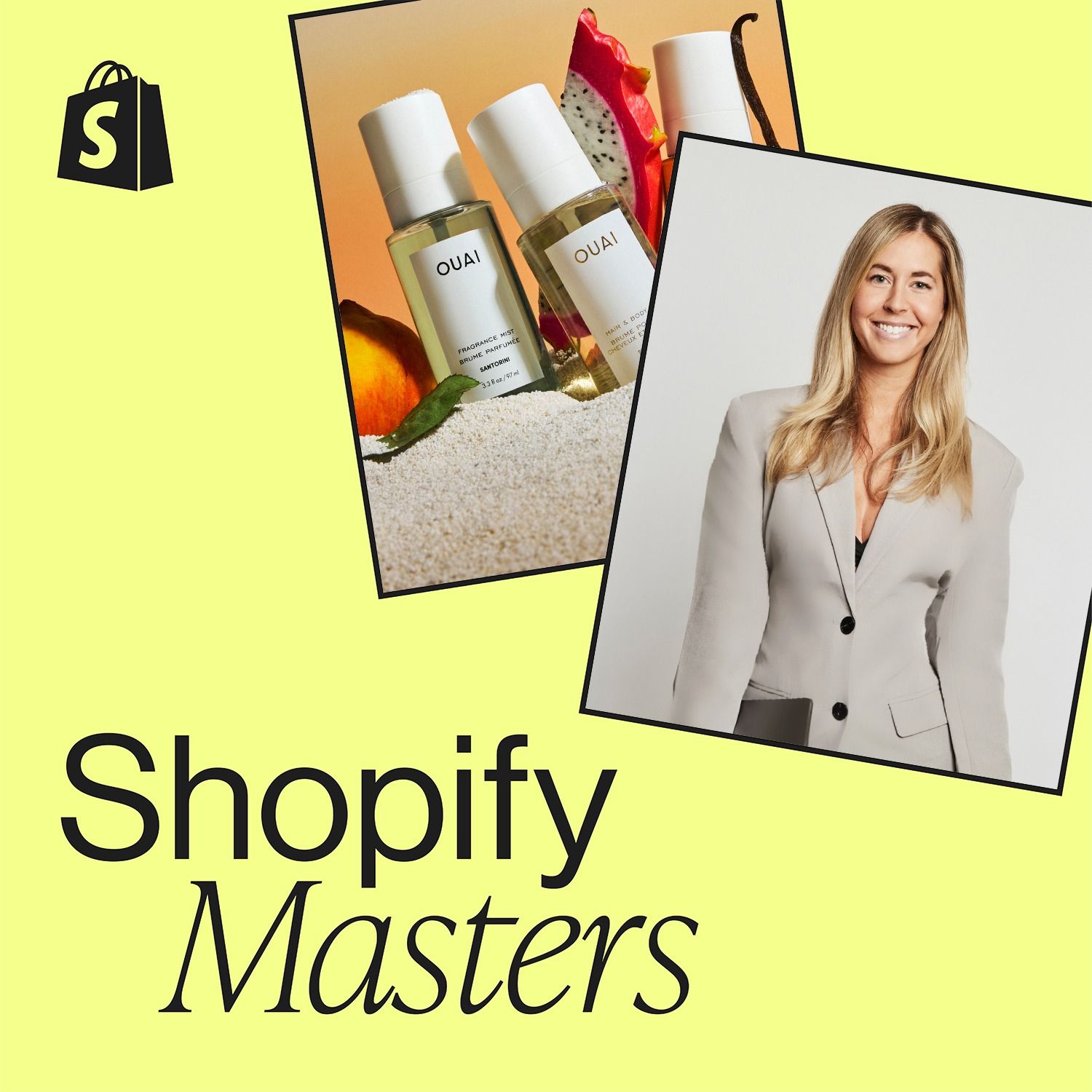
When a labeling error forced Feel Goods to discard a huge product batch, they created a TikTok series about the mistake. This radical transparency generated overwhelmingly positive feedback and loyalty, proving that sharing failures can be a powerful marketing tool.
Don't hide from errors. Steve Munn found that when he made a mistake, taking ownership and handling it well actually enhanced client "stickiness" and deepened the relationship. Clients saw he cared and was accountable, building more trust than if the error never happened.
