Get your free personalized podcast brief
We scan new podcasts and send you the top 5 insights daily.
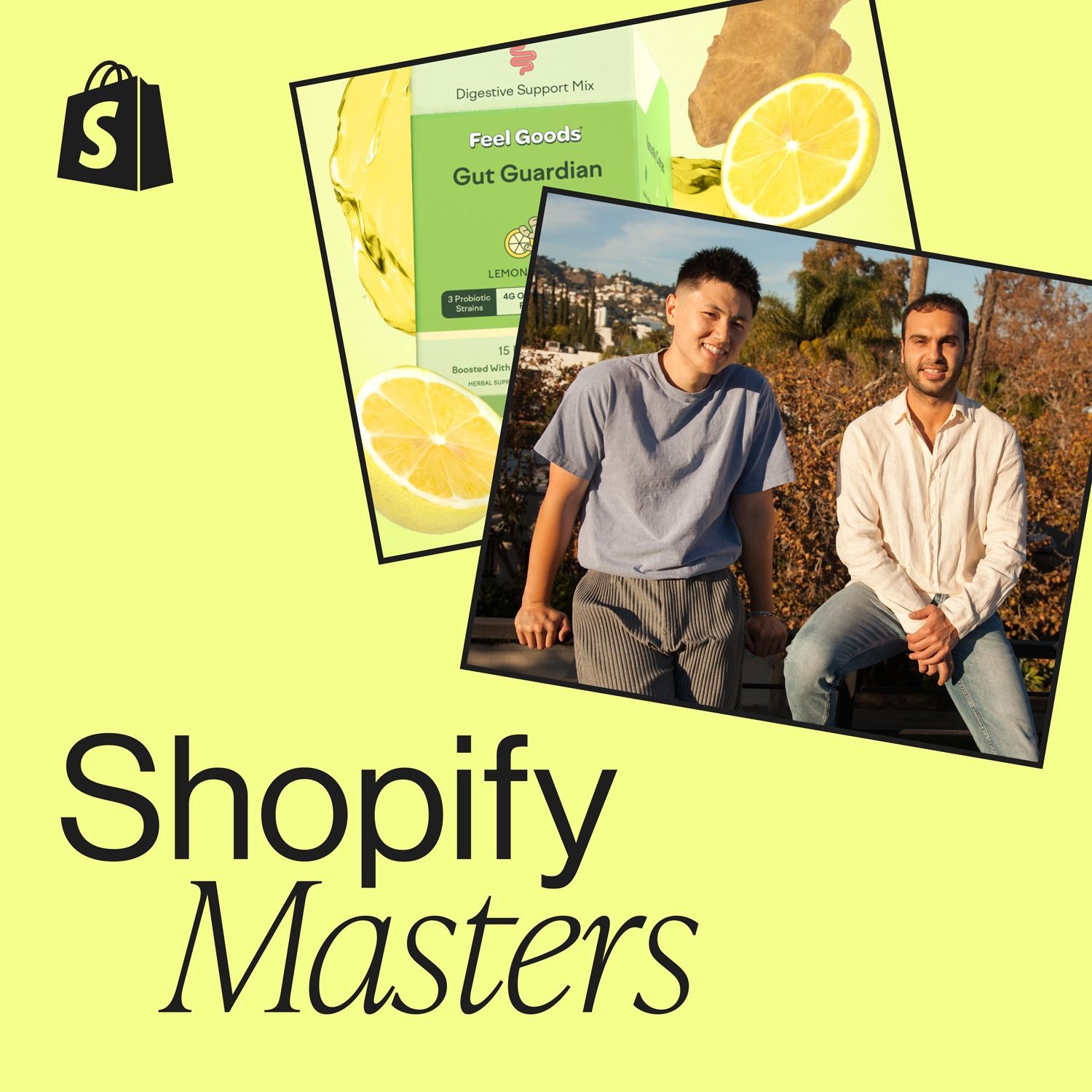
When a labeling error forced Feel Goods to discard a huge product batch, they created a TikTok series about the mistake. This radical transparency generated overwhelmingly positive feedback and loyalty, proving that sharing failures can be a powerful marketing tool.
Related Insights
Faced with 10,000 misprinted boxes, the company embraced the error instead of absorbing the cost. They launched a limited "Whoops Edition" with a campaign celebrating failure. This turned a potential financial loss into a PR win and a sales success, humanizing the brand.

After thieves stole a truck with 12 metric tons of KitKats, Nestlé and other brands immediately used humor on social media to turn the event into a viral marketing moment. This approach transforms a potentially embarrassing incident into positive brand engagement.

Contrary to the belief that businesses must appear flawless, sharing behind-the-scenes struggles and unpolished content can build stronger community and loyalty. This raw authenticity resonates more with audiences than a curated image, humanizing the brand and making customers feel like part of the journey.
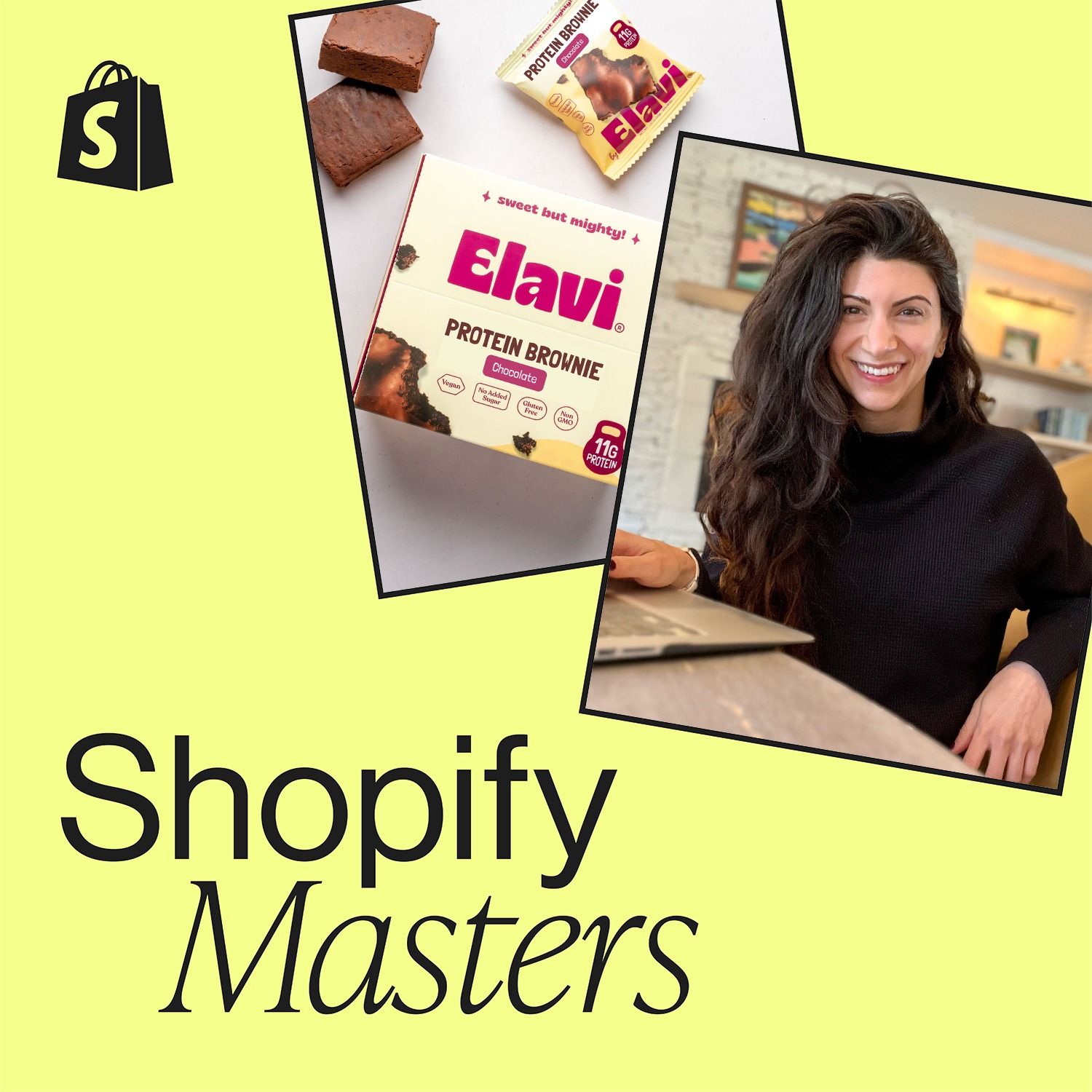
Instead of hiding early product flaws, founders can build a stronger community by openly sharing their mistakes and the correction process. This transparency makes the brand more relatable and human, fostering trust and loyalty more effectively than projecting an image of perfection.
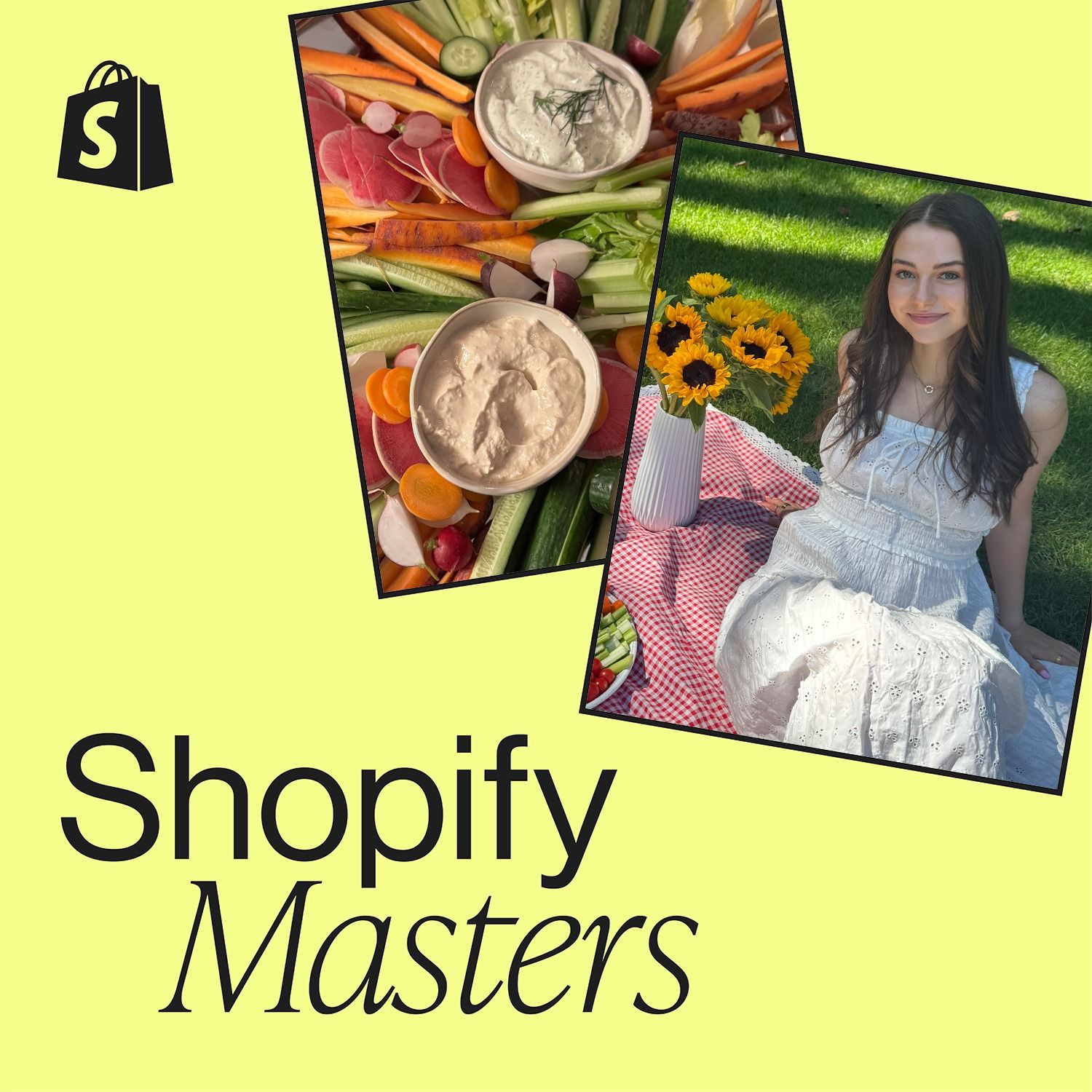
Instead of hiding operational failures like 200 broken PR boxes, the founders create content about them. This authentic, "warts-and-all" approach builds community trust and often results in viral videos, turning a negative into a brand-building positive.
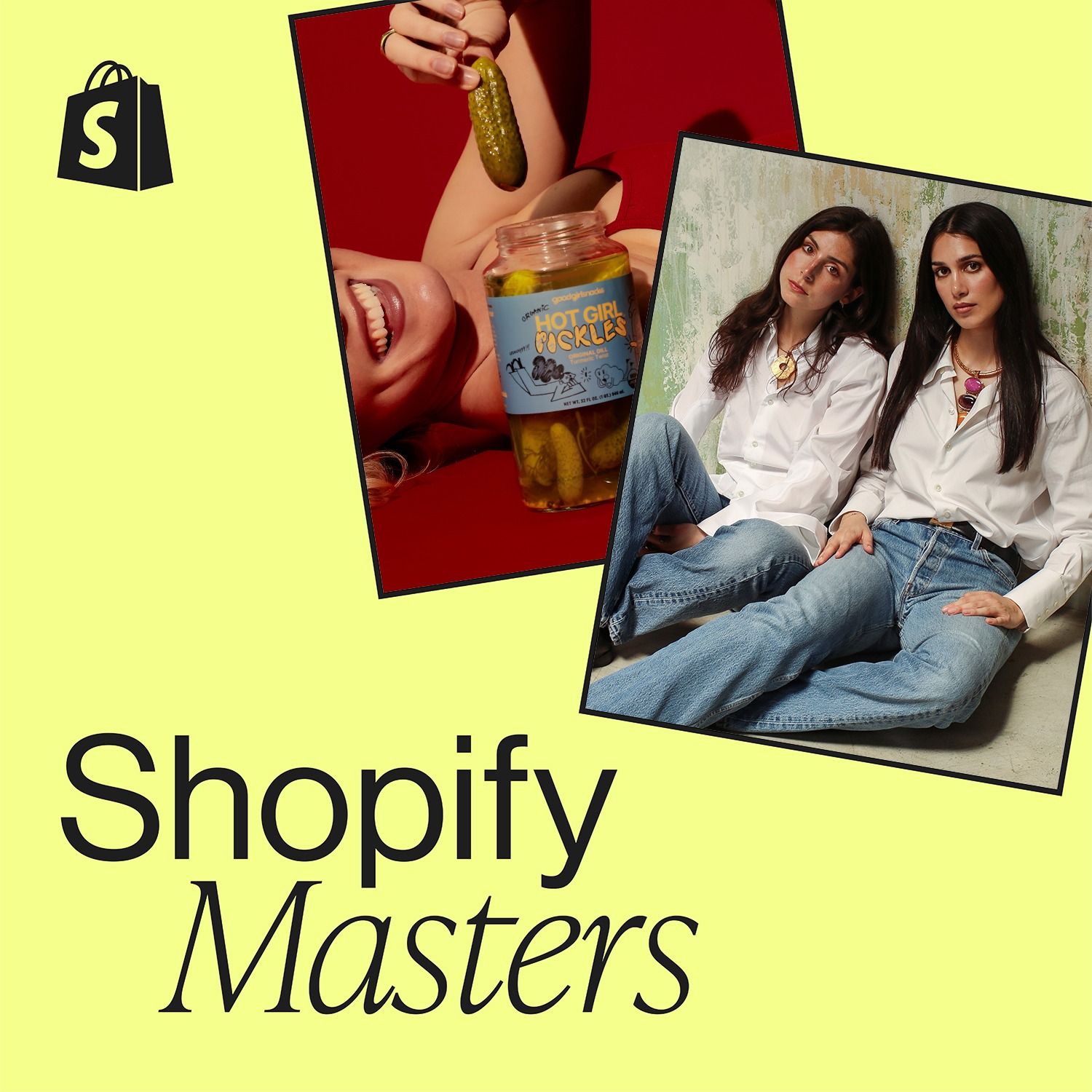
Most marketing avoids negativity, but proactively addressing your product's flaws or top churn reasons is a powerful strategy. It disarms skeptical buyers who are used to perfect marketing narratives. This transparency builds trust and attracts best-fit customers who won't be surprised by your product's limitations.

Viewers are more captivated by the authentic, unpolished drama of running a business than by curated marketing content. Showcasing real problems like a lost six-figure package or a fraudulent check generated millions of views for Luxury Bazaar, proving that authenticity and conflict are powerful hooks.

When facing a potential contamination issue with no confirmed cases, Chomps executed a large-scale recall. Though costly, this decisive action to eliminate any consumer risk ultimately strengthened their processes and brand integrity, reinforcing customer trust.

When a 150-apron order failed to meet a deadline, founder Ellen Bennett gave the entire order away for free, despite not having the money. This costly move demonstrated integrity and extreme ownership, solidifying the customer relationship and reinforcing the brand's long-term values over short-term profit.
When a new dry shampoo had a quality issue and began exploding, Way avoided a PR disaster by owning it with humor. They created a #FoamParty hashtag, reposted customer photos, and filmed themselves reading "mean reviews." This transparent, humorous approach built significant brand trust and loyalty out of a crisis.