Get your free personalized podcast brief
We scan new podcasts and send you the top 5 insights daily.
Faced with 10,000 misprinted boxes, the company embraced the error instead of absorbing the cost. They launched a limited "Whoops Edition" with a campaign celebrating failure. This turned a potential financial loss into a PR win and a sales success, humanizing the brand.

Related Insights
The brand includes three red-wrapped "emergency rolls" in each box. This is a deliberate, costly feature that a large corporate would likely eliminate. It serves as a powerful surprise-and-delight moment that reinforces the brand's challenger ethos and generates customer goodwill.
Instead of hiding early product flaws, founders can build a stronger community by openly sharing their mistakes and the correction process. This transparency makes the brand more relatable and human, fostering trust and loyalty more effectively than projecting an image of perfection.
Instead of hiding operational failures like 200 broken PR boxes, the founders create content about them. This authentic, "warts-and-all" approach builds community trust and often results in viral videos, turning a negative into a brand-building positive.
The "pratfall effect" shows that revealing a minor flaw can make a brand more relatable and likable. Guinness successfully used this by framing its slow pour time as a virtue ("Good things come to those who wait"), turning a potential weakness into a strength that builds trust and brand character.

Known as the "Pratfall Effect," admitting a small weakness can make a brand more human and trustworthy, thus increasing overall appeal. Guinness masterfully reframed the slowness of its pour as a testament to its quality, turning a negative into a powerful positive.

When a CEO's cringe-worthy content goes viral, the brand shouldn't hide. Instead, it should lean into the joke by incorporating the awkwardness into marketing and products, turning a potential PR crisis into a self-aware branding moment.

When a 150-apron order failed to meet a deadline, founder Ellen Bennett gave the entire order away for free, despite not having the money. This costly move demonstrated integrity and extreme ownership, solidifying the customer relationship and reinforcing the brand's long-term values over short-term profit.
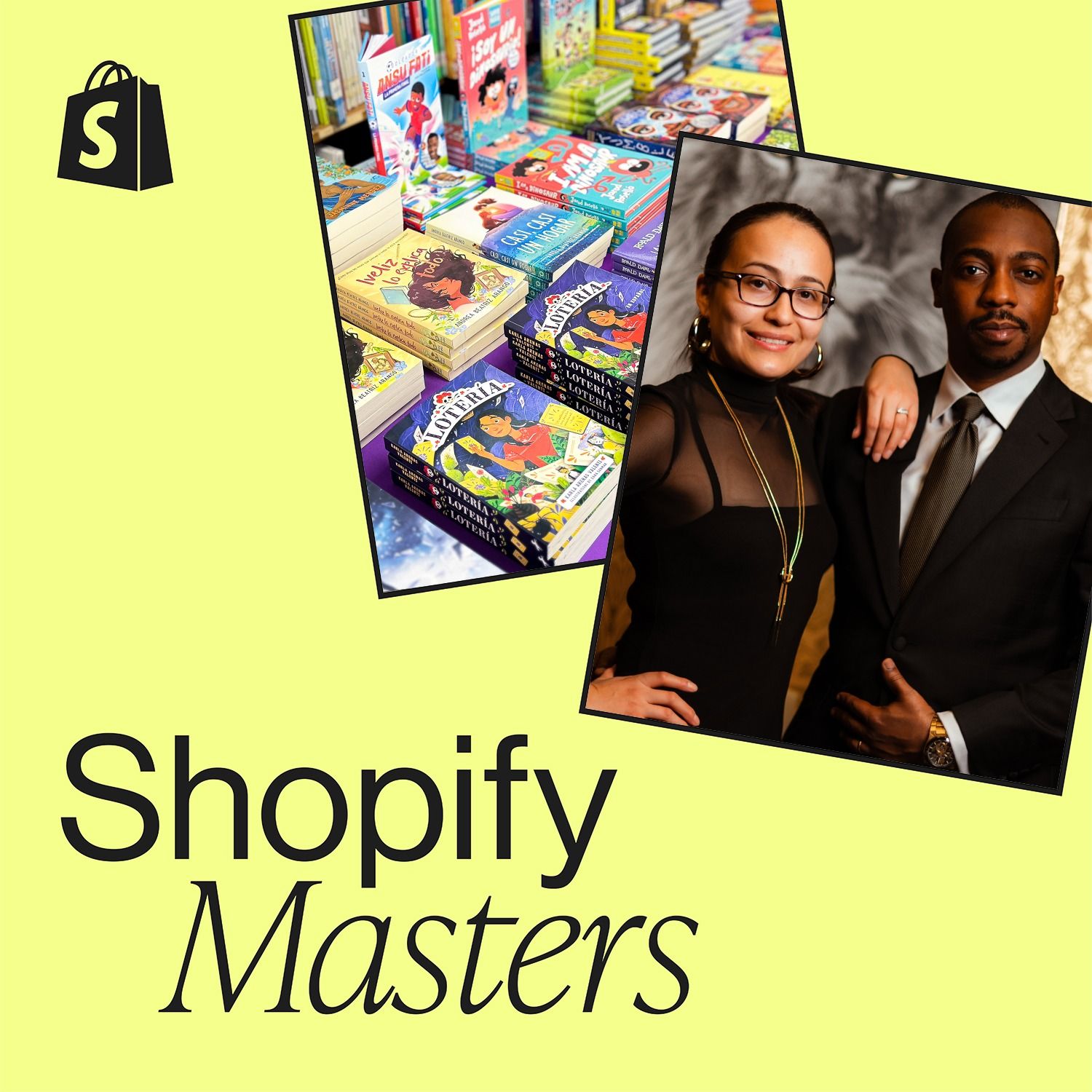
The founders of Miha Books consider their year-long retail lease a financial failure. However, the store generated significant press coverage and social proof ('as seen on'), which they now view as a valuable, albeit expensive, marketing asset that legitimized their brand and led to future opportunities.
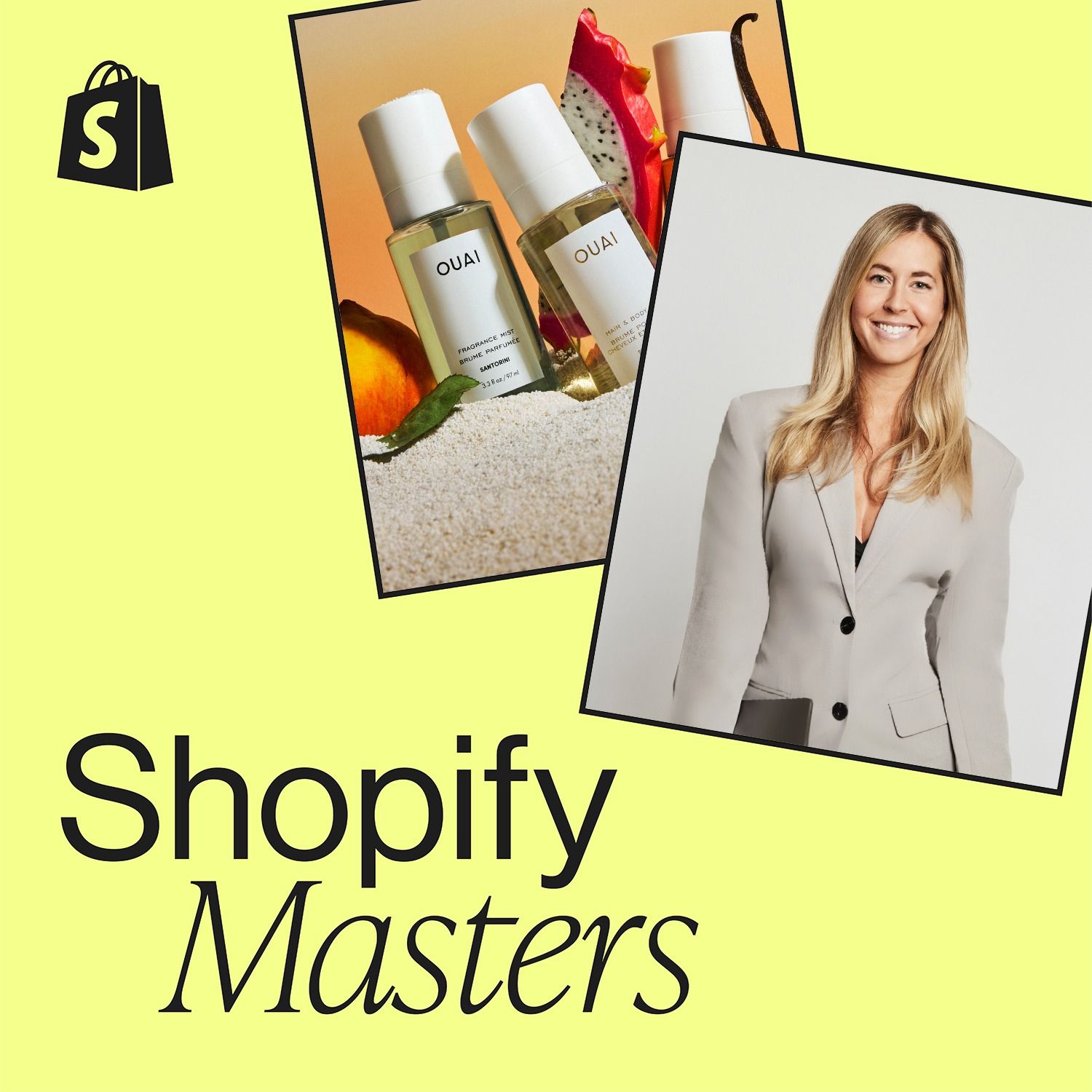
When a new dry shampoo had a quality issue and began exploding, Way avoided a PR disaster by owning it with humor. They created a #FoamParty hashtag, reposted customer photos, and filmed themselves reading "mean reviews." This transparent, humorous approach built significant brand trust and loyalty out of a crisis.
Nestle's response to a massive Kit Kat theft exemplifies a new public relations playbook. By using self-deprecating humor and leaning into the absurdity, the company transformed a potentially embarrassing crime into a viral meme. This strategy encourages other brands to participate, generating widespread, positive brand awareness from a negative event.