Get your free personalized podcast brief
We scan new podcasts and send you the top 5 insights daily.
The surge in Independent voters is misleading. A significant portion are not persuadable centrists but are Trump-first loyalists who have been taught to scorn the Republican party. For them, Trump himself functions as their third party, not a vehicle for the GOP.

Related Insights
The Republican party's internal conflict can be understood as a 'three-legged stool.' It comprises: 1) conspiracy theories (Epstein files), 2) core policy disagreements (tariffs, immigration), and 3) an ideological battle over foreign policy, particularly concerning Israel. This framework helps dissect the multifaceted nature of the party's fractures.
The appeal of a populist leader lies in their rejection of traditional political norms. When the electorate feels betrayed by the established "political class," they gravitate toward figures whose rhetoric is a deliberate and stark contrast, signaling they are an outsider.

A key driver of Trump's electoral shift was a coalition of two groups: young men under 30 and women aged 45-64. The thesis is that mothers, seeing their sons struggling economically and socially, voted for radical change out of desperation. For them, a system shake-up was more important than specific policies on issues like Ukraine or abortion rights.

Political parties now adopt positions primarily to oppose their rivals, rather than from consistent principles. This is seen in the multiple reversals on COVID-19 policies and vaccines. When beliefs flip-flop based on the opponent's stance, the driving force is tribalism, not ideology.

A deep distrust of the bipartisan "neoliberal consensus" has made many young people receptive to any counter-narrative, whether from the left or right. This creates a powerful anti-establishment bloc that finds common ground in opposing the status quo, explaining the crossover appeal of populist figures.

Recent election results highlight a key vulnerability for the Republican party: a substantial drop in voter turnout when Donald Trump is not the candidate. The base is less energized, leading to weaker performance in midterms and other elections. This poses a long-term strategic challenge for the party's future beyond Trump.

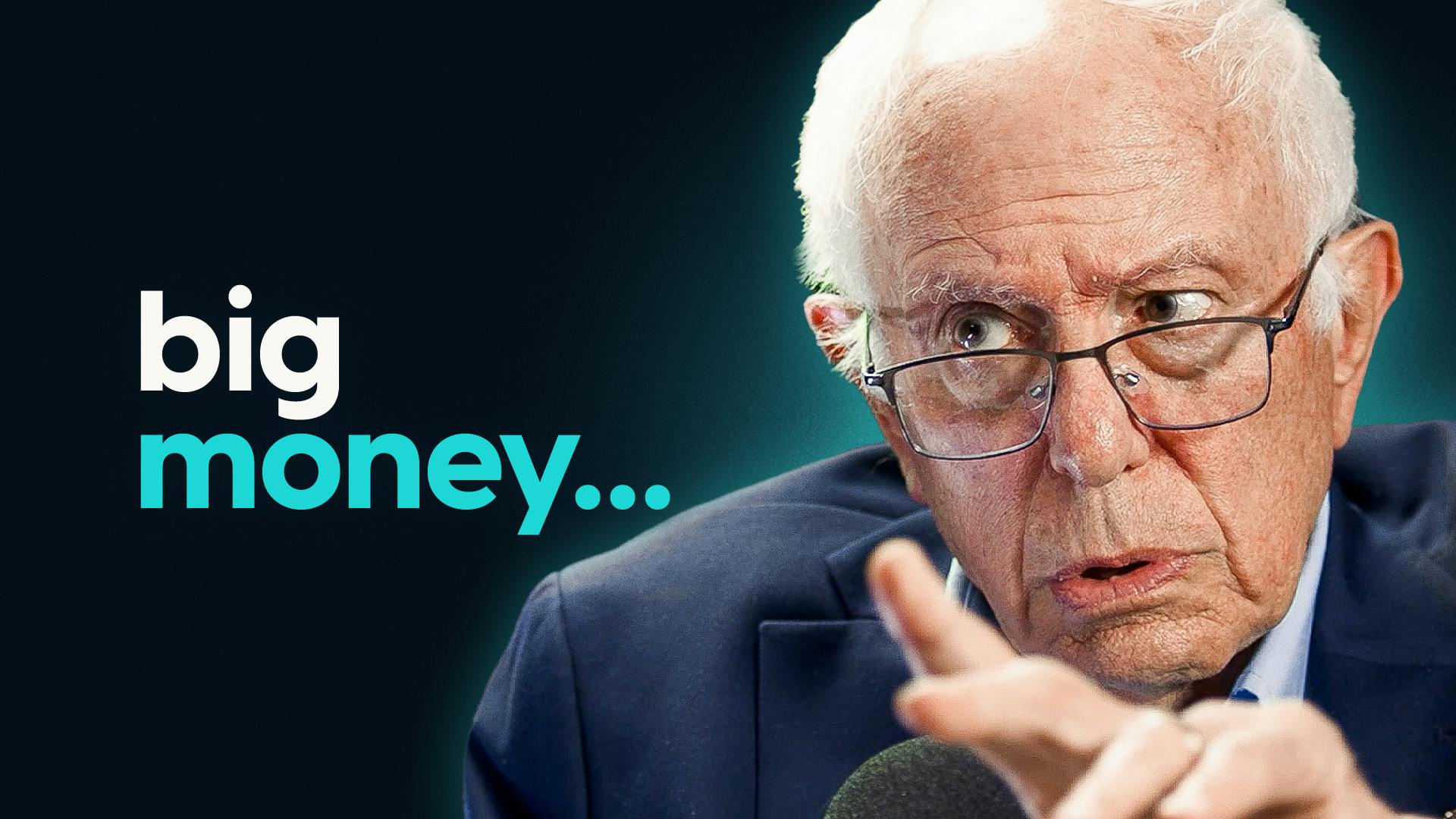
Senator Sanders describes a 'Stalinist type allegiance' within the Republican party, where dissent against Donald Trump is rare. Politicians fear that any criticism will result in them being targeted in primary elections by billionaire-funded challengers, creating a cult of personality that stifles independent thought.
From a branding perspective, voters value consistency, even if they disagree with the platform. A politician who flip-flops, like John Kerry, is seen as weak and unprincipled. Therefore, Marjorie Taylor Greene's sudden pivot away from Trump is a high-risk branding move that defies conventional political wisdom about adapting to sentiment.

A key part of Trump's strategy was ignoring traditional media outlets and instead appearing on podcasts and platforms popular with young men (Joe Rogan, World Wrestling Federation). This allowed him to directly tap into their grievances and build a loyal base that felt seen.

The conventional wisdom that moderate candidates are more electable is a myth. Elections are won by turnout, not by appealing to the median voter. A polarizing figure who excites their base will often win by a larger margin than a moderate who fails to generate enthusiasm.
