Get your free personalized podcast brief
We scan new podcasts and send you the top 5 insights daily.
The trajectory of public figures is often shaped more by their harshest critics than their loyal audience. This 'criticism capture' causes them to become more militant, extreme, and uncompromising in their views as a reaction to constant attacks. The pressure from detractors is a more powerful and deranging force than the positive reinforcement from supporters.

Related Insights
The phenomenon of "irony poisoning" describes how users initially share extreme ideas as jokes to provoke others ("shitposting"). Over time, this repeated ironic engagement leads them to internalize and genuinely adopt the once-feigned beliefs.

If you aren't receiving regular pushback, it's a sign you're not saying anything meaningful or challenging the status quo. Instead of viewing criticism as a negative outcome to be avoided, see its absence as a red flag that your content is too safe and therefore lacks real impact.

Attempts to shut down controversial voices often fail. Instead of disappearing, suppressed ideas can fester and become more extreme, attracting an audience drawn to their defiance and ultimately strengthening their movement.

Public figures who apologize for transgressions are often perceived as 'wounded prey,' triggering more attacks rather than redemption. This dynamic makes admitting fault a confession of weakness, incentivizing politicians to instead ignore or deny wrongdoing to maintain power, as seen with Al Franken's resignation.
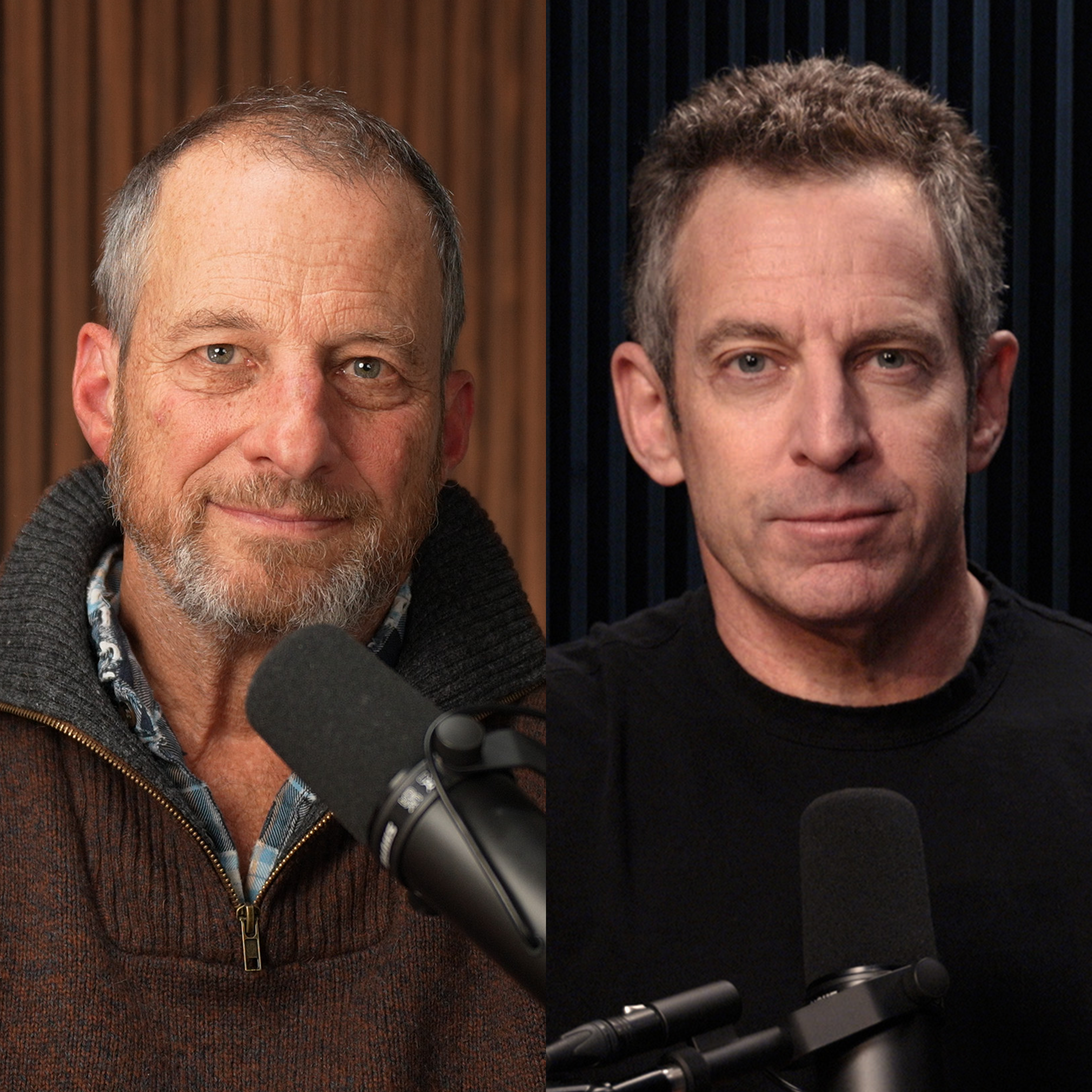
Stakeholders demand courageous leadership but foster a culture of intolerance. By failing to distinguish between major offenses and minor infractions and "canceling" leaders for mistakes, the public itself disincentivizes the very courage and authenticity it seeks, creating a paralyzing circular problem.
A leader trying to be all things to all people will have a diluted, unactivating message. Building a powerful movement requires a strong narrative with heroes and villains, which inevitably polarizes audiences. Eliciting disdain from outsiders is a necessary byproduct of energizing a core base.

When a demographic feels perpetually attacked for an unchangeable trait, they are psychologically primed to unify around that identity. This dynamic explains the rise of controversial figures who capitalize on that reactive sentiment, becoming a predictable societal counter-reaction.

Having a large online following can force a narcissistic defense. The brain's threat-detection circuits are wired to ignore thousands of positive comments and fixate on the one negative one. To protect against this constant perceived attack, individuals must develop a narcissistic shield.

As entrepreneurs gain visibility, they face pressure to "stay in their lane." Criticism from strangers often leads them to present a polished, less authentic version of themselves, effectively allowing the public to dictate the boundaries of their brand and personality.

The old goal of being universally liked is incompatible with being powerful in the new media environment. If you are making an impact and have a strong point of view, some people will inevitably dislike you. This controversy should be viewed as a positive signal of your relevance and significance, not a problem to be solved.
