Get your free personalized podcast brief
We scan new podcasts and send you the top 5 insights daily.
Apple's stated reason for blocking updates to apps like Replit is a violation of rules against running external code. The deeper strategic reason is that these tools empower developers to create web apps that exist outside Apple's lucrative App Store ecosystem, threatening a key source of revenue and control.

Related Insights
Apple's biggest AI risk isn't a competitor's chatbot; it's that AI itself will become the operating system, generating app UIs on the fly. This would make Apple's primary moat—its app ecosystem—irrelevant. Its only remaining advantage would be iMessage, which a competitor like Meta could combine with OpenAI's tech to dethrone the iPhone.

By integrating third-party models like Claude and Codex directly into Xcode, Apple is choosing not to compete on building a proprietary coding model. Instead, it's focusing on making its developer environment the indispensable platform for agentic coding, a strategic pivot from its typical walled-garden approach to win developer loyalty.

By positioning itself as a platform agent, Apple sidesteps legal precedents that would limit who can sue for anti-competitive pricing. This shifts legal liability to developers, as consumers become the "direct purchasers" with legal standing to sue them over App Store prices.

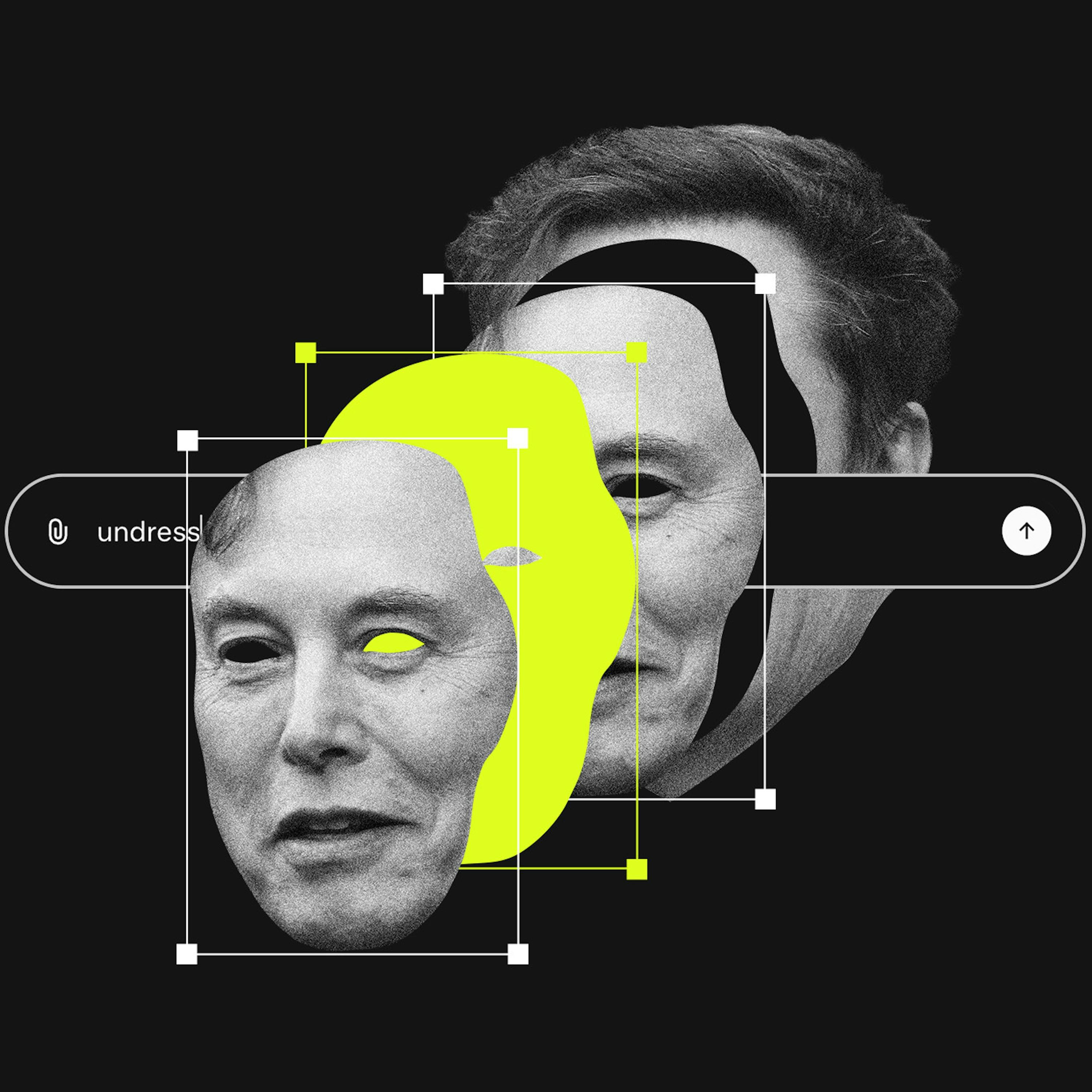
App stores justify their market control by claiming they are essential for user safety. Their failure to enforce their own explicit rules against X/Grok provides powerful evidence for antitrust regulators that this justification is a pretext, undermining their entire legal position.
Apple's forthcoming Siri overhaul, codenamed "Campo," signals a strategic shift away from the traditional app-based ecosystem. The goal is to create an AI agent capable of executing complex, multi-app tasks via natural language. This "agentification" of the operating system positions the App Store and individual apps as legacy interfaces over the long term.

Replit is simplifying mobile app creation not just by enabling "vibe coding," but by removing the biggest barriers for novice developers: configuring payments, security, and navigating the complex App Store submission process, all with a few clicks from one platform.
Laws intended for copyright, like the DMCA's anti-circumvention clause, are weaponized by platforms. They make it a felony to create software that modifies an app's behavior (e.g., an ad-blocker), preventing competition and user choice.

The core value proposition of no-code platforms—building software without code—is being eroded by AI tools. AI-assisted 'vibe coding' makes it much easier for non-specialists to build internal line-of-business apps, a key use case for no-code, posing an existential threat to major players.

By mandating its own WebKit engine and banning more capable alternatives on iOS, Apple prevents web applications from competing effectively with native apps, pushing developers toward its lucrative App Store ecosystem.

OpenAI's platform strategy, which centralizes app distribution through ChatGPT, mirrors Apple's iOS model. This creates a 'walled garden' that could follow Cory Doctorow's 'inshittification' pattern: initially benefiting users, then locking them in, and finally exploiting them once they cannot easily leave the ecosystem.
