Get your free personalized podcast brief
We scan new podcasts and send you the top 5 insights daily.
By mandating its own WebKit engine and banning more capable alternatives on iOS, Apple prevents web applications from competing effectively with native apps, pushing developers toward its lucrative App Store ecosystem.

Related Insights
Businesses become critically dependent on platforms for even a small fraction of their revenue (e.g., 20%). This 'monopsony power' creates a stronger lock-in than user network effects, as losing that customer base can bankrupt the business.

Despite a wave of new AI-powered browsers from companies like OpenAI, nearly all are built on Google's Chromium engine. This stifles deep innovation and competition at the web's foundational layer, creating a monoculture with an illusion of choice.
Platforms first attract users with good service, then lock them in. Next, they worsen the user experience to benefit business customers. Finally, they squeeze business customers, extracting all value for shareholders, leaving behind a dysfunctional service.
The idea of a truly "open web" was a brief historical moment. Powerful, proprietary "organizing layers" like search engines and app stores inevitably emerge to centralize ecosystems and capture value. Today's AI chatbots are simply the newest form of these organizing layers.
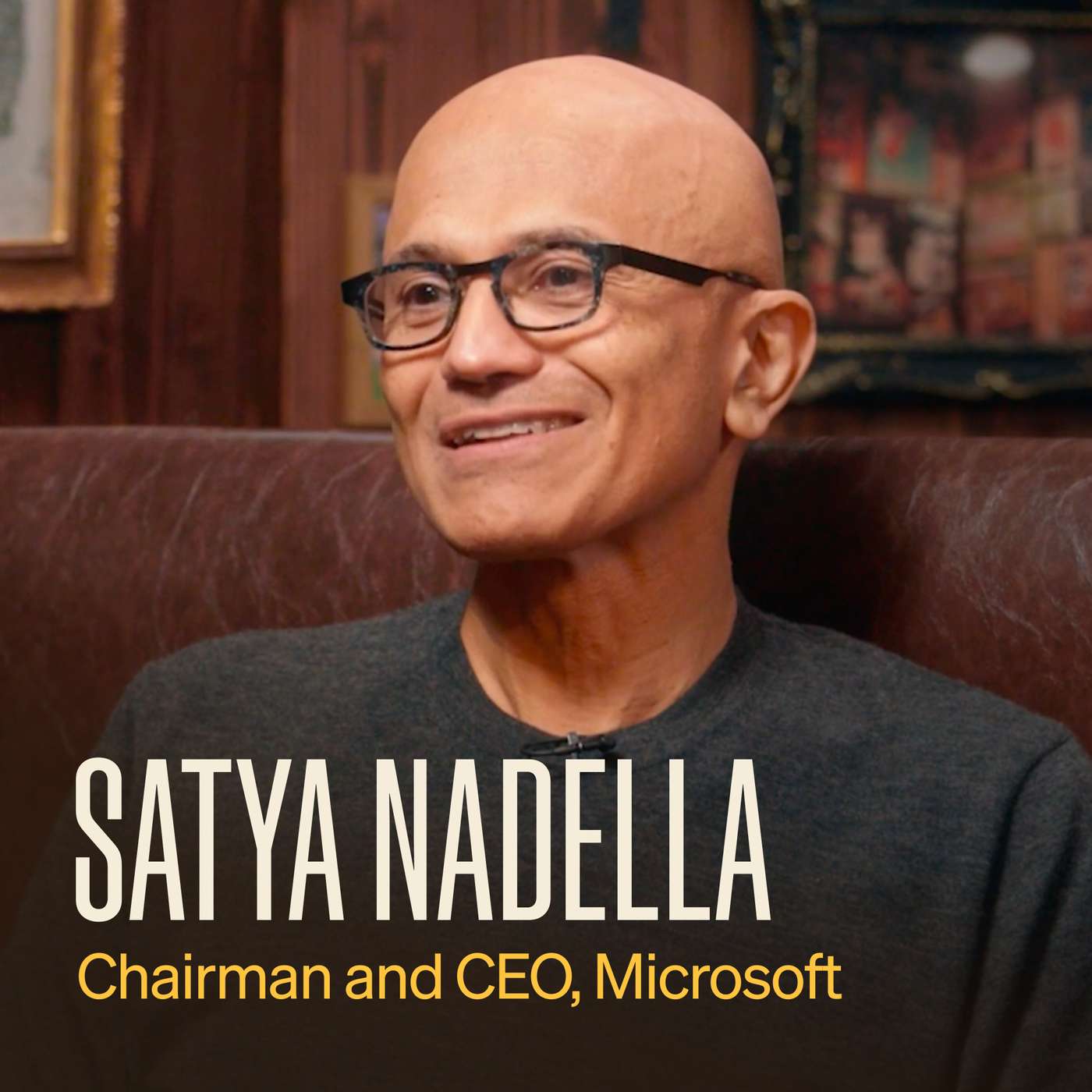
Dominant tech platforms lack the market incentive to open their ecosystems. Berners-Lee argues that government intervention is the only viable path to mandate interoperability and break down digital walled gardens, as market forces alone have failed.
Laws intended for copyright, like the DMCA's anti-circumvention clause, are weaponized by platforms. They make it a felony to create software that modifies an app's behavior (e.g., an ad-blocker), preventing competition and user choice.
The natural mechanics of network-based markets inherently lead to dominant players in search, social media, and browsers. This erodes the web's initial decentralized promise of "digital sovereignty" for individual users and creators.
OpenAI's platform strategy, which centralizes app distribution through ChatGPT, mirrors Apple's iOS model. This creates a 'walled garden' that could follow Cory Doctorow's 'inshittification' pattern: initially benefiting users, then locking them in, and finally exploiting them once they cannot easily leave the ecosystem.

The economic incentives and audience reach on platforms like TikTok or YouTube now outweigh the benefits of building an independent website, a stark reversal from a decade ago when the open web was the only choice for new media ventures.