Get your free personalized podcast brief
We scan new podcasts and send you the top 5 insights daily.
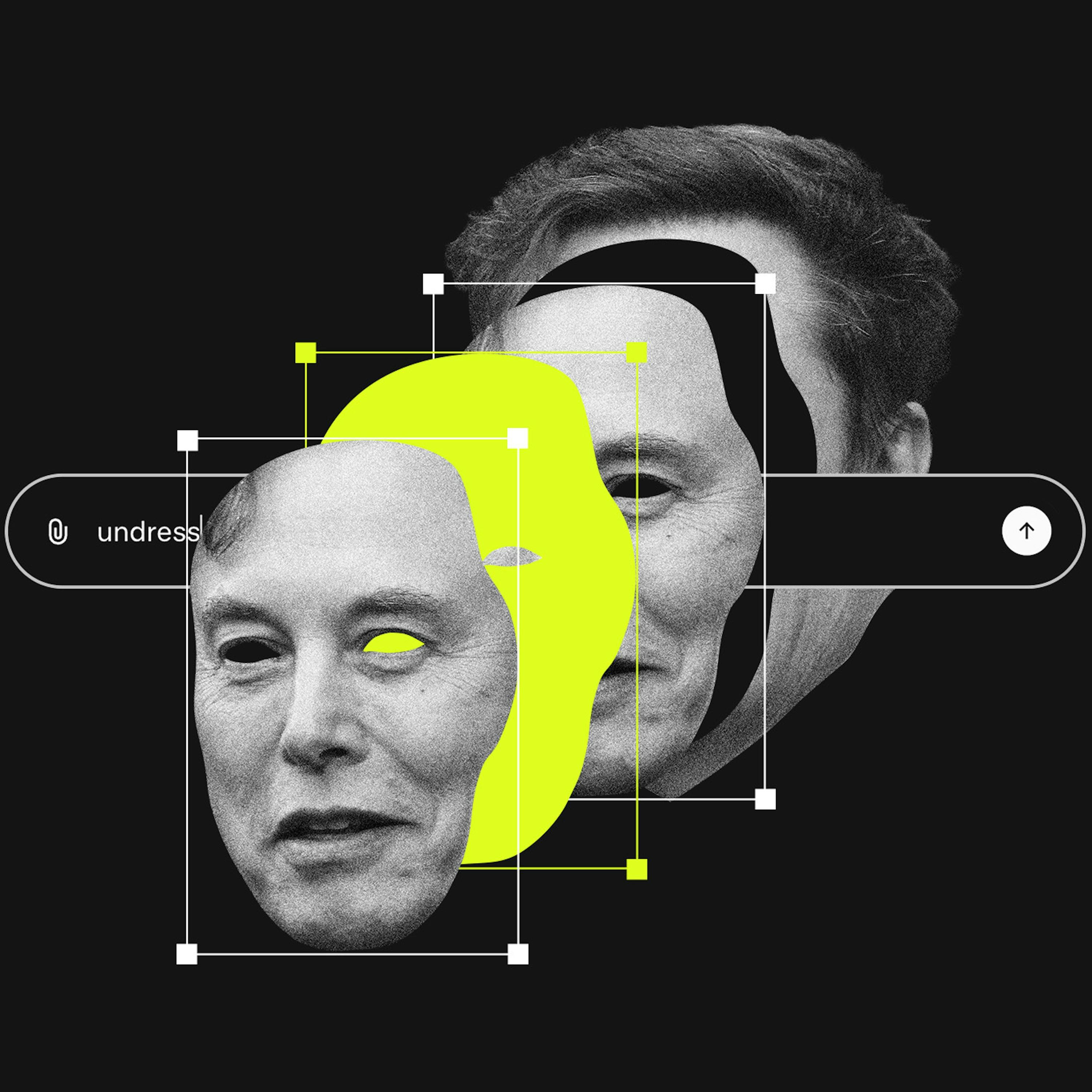
App stores justify their market control by claiming they are essential for user safety. Their failure to enforce their own explicit rules against X/Grok provides powerful evidence for antitrust regulators that this justification is a pretext, undermining their entire legal position.
Related Insights
The current era of exploitative digital platforms was made possible by a multi-decade failure to enforce antitrust laws. This policy shift allowed companies to buy rivals (e.g., Facebook buying Instagram) and engage in predatory pricing (e.g., Uber), creating the monopolies that can now extract value without competitive consequence.

The European Commission is leveraging the Grok controversy to justify its aggressive regulatory stance towards U.S. digital platforms. By framing the incident as "illegal" and "disgusting," the EU strengthens its argument that American tech companies are behaving unreasonably, thus validating its need for stricter enforcement and giving it leverage in transatlantic policy disputes.

Platforms grew dominant by acquiring competitors, a direct result of failed antitrust enforcement. Cory Doctorow argues debates over intermediary liability (e.g., Section 230) are a distraction from the core issue: a decades-long drawdown of anti-monopoly law.

Platform decay isn't inevitable; it occurred because four historical checks and balances were removed. These were: robust antitrust enforcement preventing monopolies, regulation imposing penalties for bad behavior, a powerful tech workforce that could refuse unethical tasks, and technical interoperability that gave users control via third-party tools.
A company's monopoly power can be measured not just by its pricing power, but by the 'noneconomic costs' it imposes on society. Dominant platforms can ignore negative externalities, like their product's impact on teen mental health, because their market position insulates them from accountability and user churn.

By positioning itself as a platform agent, Apple sidesteps legal precedents that would limit who can sue for anti-competitive pricing. This shifts legal liability to developers, as consumers become the "direct purchasers" with legal standing to sue them over App Store prices.

Dominant tech platforms lack the market incentive to open their ecosystems. Berners-Lee argues that government intervention is the only viable path to mandate interoperability and break down digital walled gardens, as market forces alone have failed.

Laws intended for copyright, like the DMCA's anti-circumvention clause, are weaponized by platforms. They make it a felony to create software that modifies an app's behavior (e.g., an ad-blocker), preventing competition and user choice.
By mandating its own WebKit engine and banning more capable alternatives on iOS, Apple prevents web applications from competing effectively with native apps, pushing developers toward its lucrative App Store ecosystem.
OpenAI's platform strategy, which centralizes app distribution through ChatGPT, mirrors Apple's iOS model. This creates a 'walled garden' that could follow Cory Doctorow's 'inshittification' pattern: initially benefiting users, then locking them in, and finally exploiting them once they cannot easily leave the ecosystem.
