Get your free personalized podcast brief
We scan new podcasts and send you the top 5 insights daily.
Maria Sharapova initially felt threatened when her manager signed rival Li Na. However, Li Na's success grew tennis's presence in Asia, creating a bigger market and larger deals for everyone. A competitor's breakthrough can turn a zero-sum game into a positive-sum one for the entire industry, ultimately benefiting top players.

Related Insights
In the emerging US sports betting market, fierce competitors like FanDuel work together through the Sports Betting Alliance. They collaborate on lobbying and regulatory efforts because opening new states benefits the entire industry, embodying a "rising tide lifts all boats" strategy.

Instead of viewing a contemporary's breakthrough with jealousy, see it as tangible proof that such moments are possible. This reframes competition into inspiration, fueling the patience and hard work required to be fully prepared when your own opportunity arrives. The key is readiness, not rivalry.

Intense competition forces companies to innovate their products and marketing more aggressively. This rivalry validates the market's potential, accelerates its growth, and ultimately benefits the entire ecosystem and its customers, rather than being a purely zero-sum game.

Many aspiring entrepreneurs are deterred when they find out their idea 'already exists.' This is the wrong mindset. A successful competitor is the ultimate market validation, proving that customers will pay for a solution and that the market is large enough for multiple players.

The NBA fosters a community where marketing leaders from competing teams openly share ideas. Because teams primarily operate in different local markets, they are not direct commercial rivals. This "coopetition" allows them to learn from each other's successes and failures, elevating the marketing of the entire league.

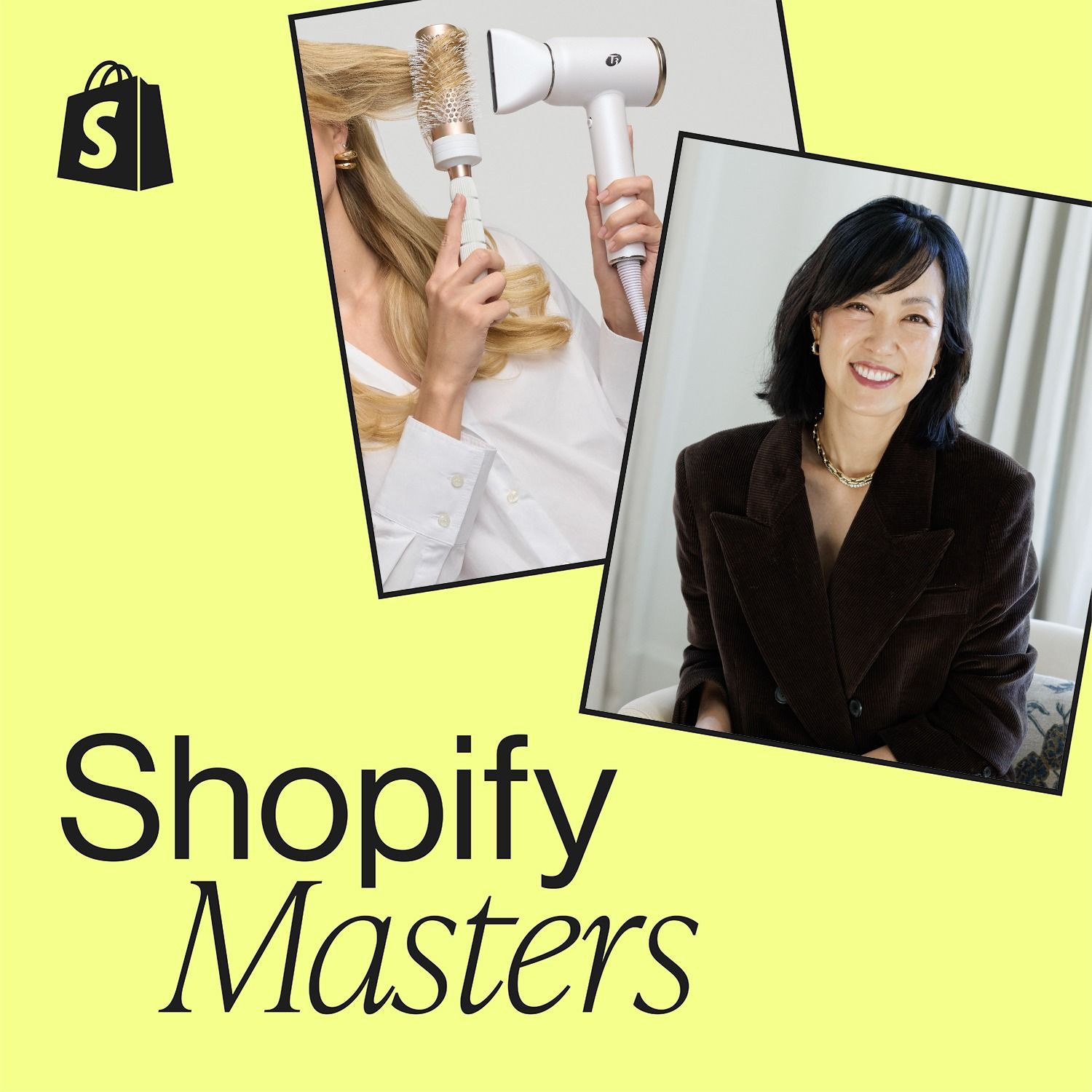
When large appliance companies like Dyson entered the premium hair tool market, T3 was initially intimidated. However, their massive marketing budgets raised overall category awareness and normalized higher price points. This repositioned T3 as an 'affordable luxury' and ultimately boosted their business, demonstrating that new competition can grow the pie for everyone.
Venture investors aren't concerned when a portfolio company launches products that compete with their other investments. This is viewed as a positive signal of a massive winner—a company so dominant it expands into adjacent categories, which is the ultimate goal.

Instead of viewing competitors as threats, Koah sees them as beneficial. In a new space like AI advertising, rival companies help educate the market and normalize the business model. Their collective efforts build legitimacy faster than a single company could alone.

The narrative of startups "destroying" incumbents is often wrong. As shown by MongoDB coexisting with Oracle and HubSpot with Salesforce, disruptive companies can create massive value by expanding the total market, allowing both new and old players to grow simultaneously.

Rolex's CEO believes the Apple Watch was beneficial, not detrimental. It accustomed a new generation to wearing something on their wrist, effectively expanding the total addressable market for all watches, including luxury ones. This shows how a competitor's product can act as a catalyst for market growth.
