Get your free personalized podcast brief
We scan new podcasts and send you the top 5 insights daily.
Mechanization made bagels a mainstream, mass-produced item, often leading to a lower-quality product. This widespread commoditization paradoxically opened a high-end niche. Consumers, familiar with the basic concept, became willing to pay a premium for superior, artisanal versions, fueling the rise of chains selling bagels for over $3 each.

Related Insights
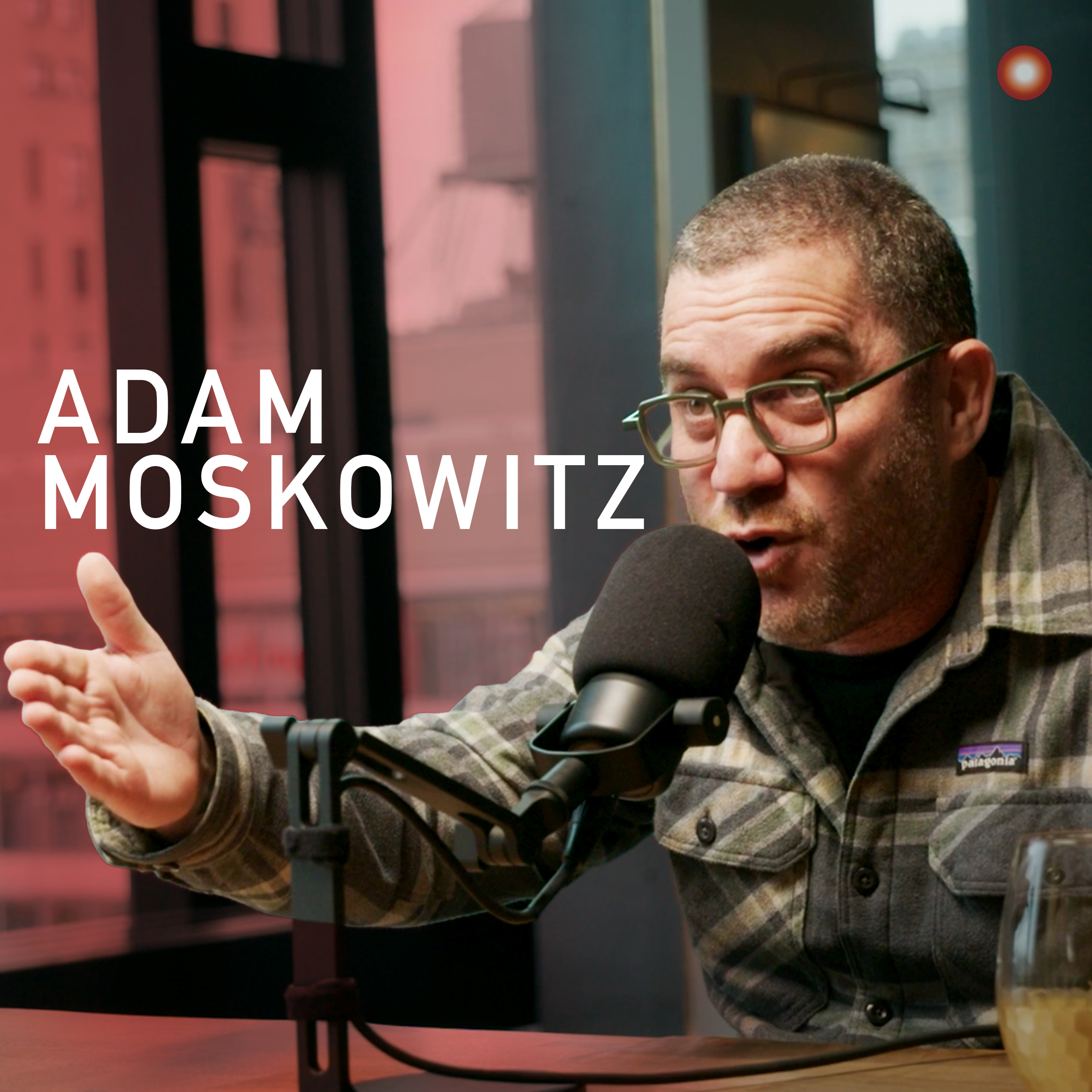
To combat price objections, artisan cheese expert Adam Moskowitz reframes his product not as expensive, but as valuable. The superior flavor-per-bite of quality cheese provides more intrinsic value than cheaper, mass-market alternatives that primarily offer a generic 'creamy' texture.
Fruitist achieved a $1 billion valuation by transforming the blueberry from a supporting ingredient into a standalone snack or meal replacement. By engineering a jumbo-sized, consistent product, they created a new product category and unlocked premium pricing.

Struggling to get retail distribution, Carbone's pasta sauce doubled its price to $7-$11. This premium strategy transformed its pitch to retailers: instead of earning cents per jar, stores could now make over $2. This created a powerful financial incentive for retailers to stock the new, high-margin product.

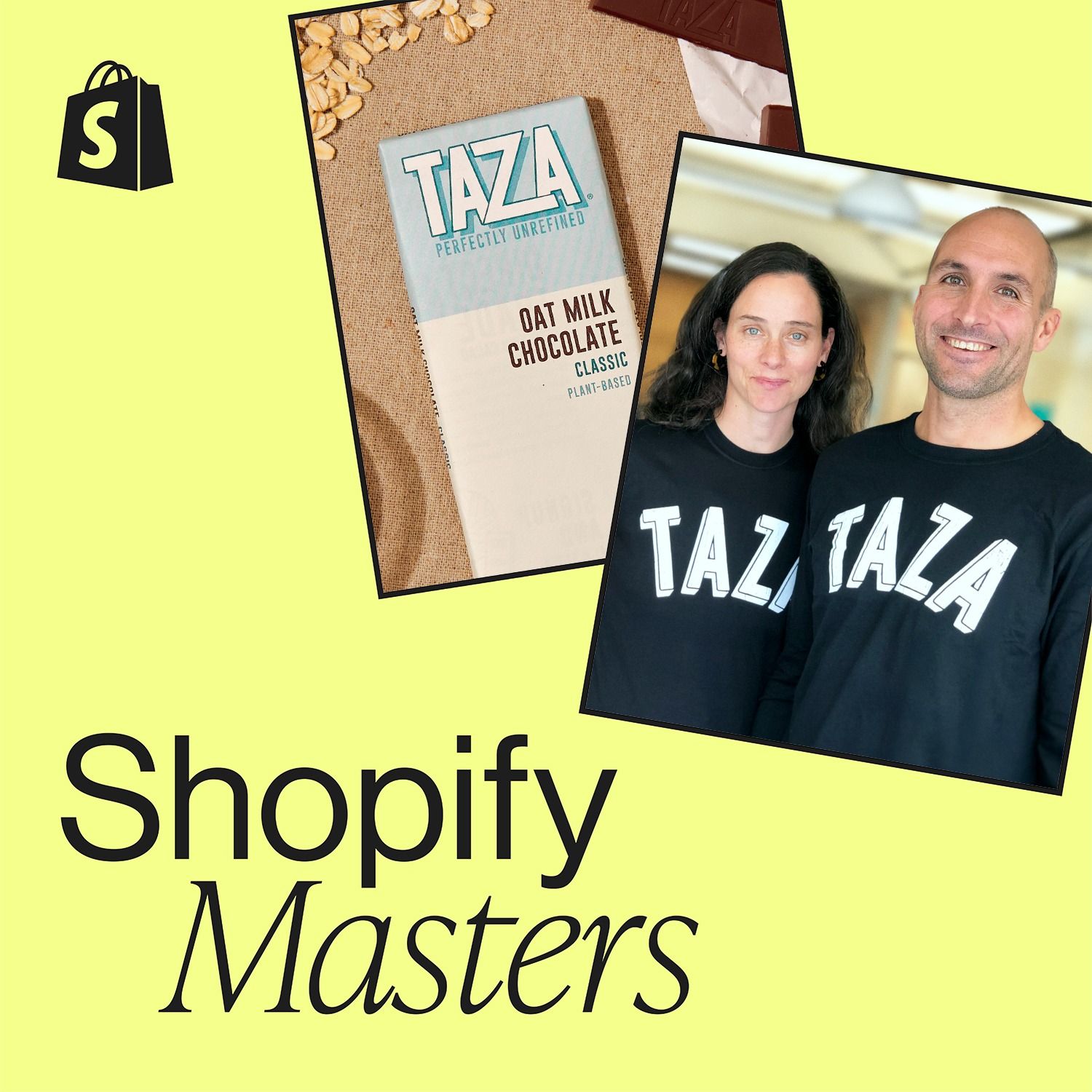
In a market dominated by corporations, Taza found a defensible niche by making a "polarizing" stone-ground chocolate. This strategy of appealing intensely to a core group, rather than pleasing the mass market, was key to their survival and success as a small business.
For luxury brands, raising prices is a strategic tool to enhance brand perception. Unlike mass-market goods where high prices deter buyers, in luxury, price hikes increase desirability and signal exclusivity. This reinforces the brand's elite status and makes it more coveted.
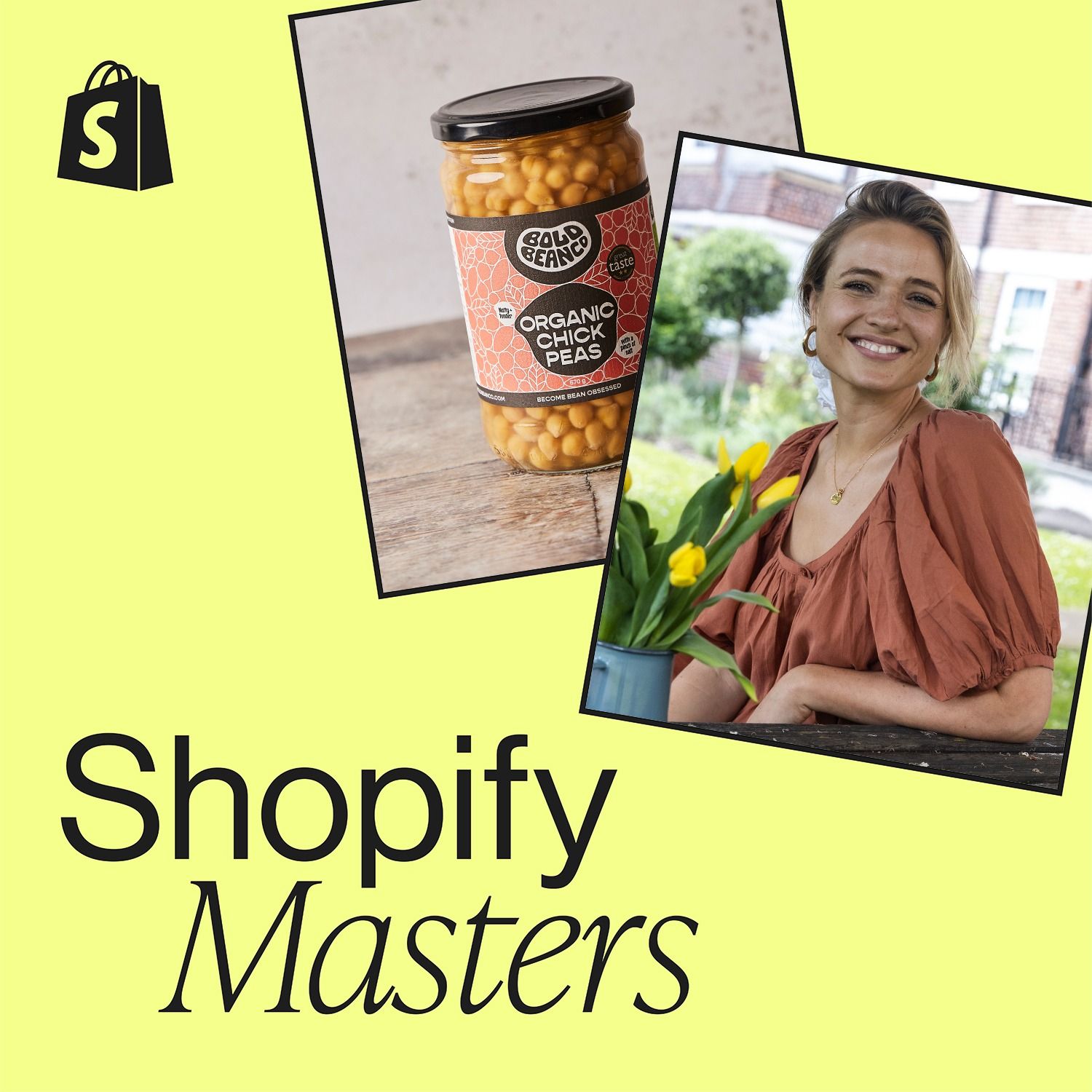
The brand used clear glass jars, initially a byproduct of a superior cooking method, to showcase the beans' quality. This transparency shifted consumer perception from a hidden pantry staple to a premium, display-worthy ingredient, justifying a higher price point.
Unlike other fruits, dates are sold under distinct brands because the industry positions them as a luxury treat, similar to chocolate, rather than simple produce. This strategy of shifting the product's purpose from utility to indulgence allows for brand differentiation and premium pricing.
When a new KFC premium product wasn't selling, they doubled the price instead of discounting it. This aligned the price with consumer expectations for a premium item, signaling quality and causing sales to soar. Low prices can imply low quality for high-end goods.

David Chang explains that while food service is inherently unscalable, high-end, exclusive dining experiences are scaling. The scarcity, amplified by social media, creates massive demand and "cultural currency," allowing these unique businesses to expand and increase prices, creating a barbell effect in the market.

Luxury brands face a crisis as internal pressure to increase profit multiples from ~8x manufacturing cost to 12-15x forces a shift away from artisanal craftsmanship to mass production, undermining the very quality that justifies their premium prices.