Get your free personalized podcast brief
We scan new podcasts and send you the top 5 insights daily.
Buc-ee's success was not based on gas sales but on creating an unmissable destination. The core insight was that superior restrooms would attract female passengers, driving footfall and enabling a large-scale, high-margin retail operation. The restrooms themselves make no money but are the engine of the entire business.

Related Insights
Carvana's founder revealed that the company's distinctive car vending machines were more than just a marketing stunt. This unique, physical brand experience was a critical element that helped the online car retailer survive, highlighting the power of memorable marketing in a competitive market.

Sephora combats intense competition by applying a "game of inches" philosophy to its physical retail space. Every section, from teen-focused fragrance displays to strategically placed checkout-line minis, is optimized to sell. This meticulous space utilization creates a highly profitable, frictionless customer experience without any "wasted" space.
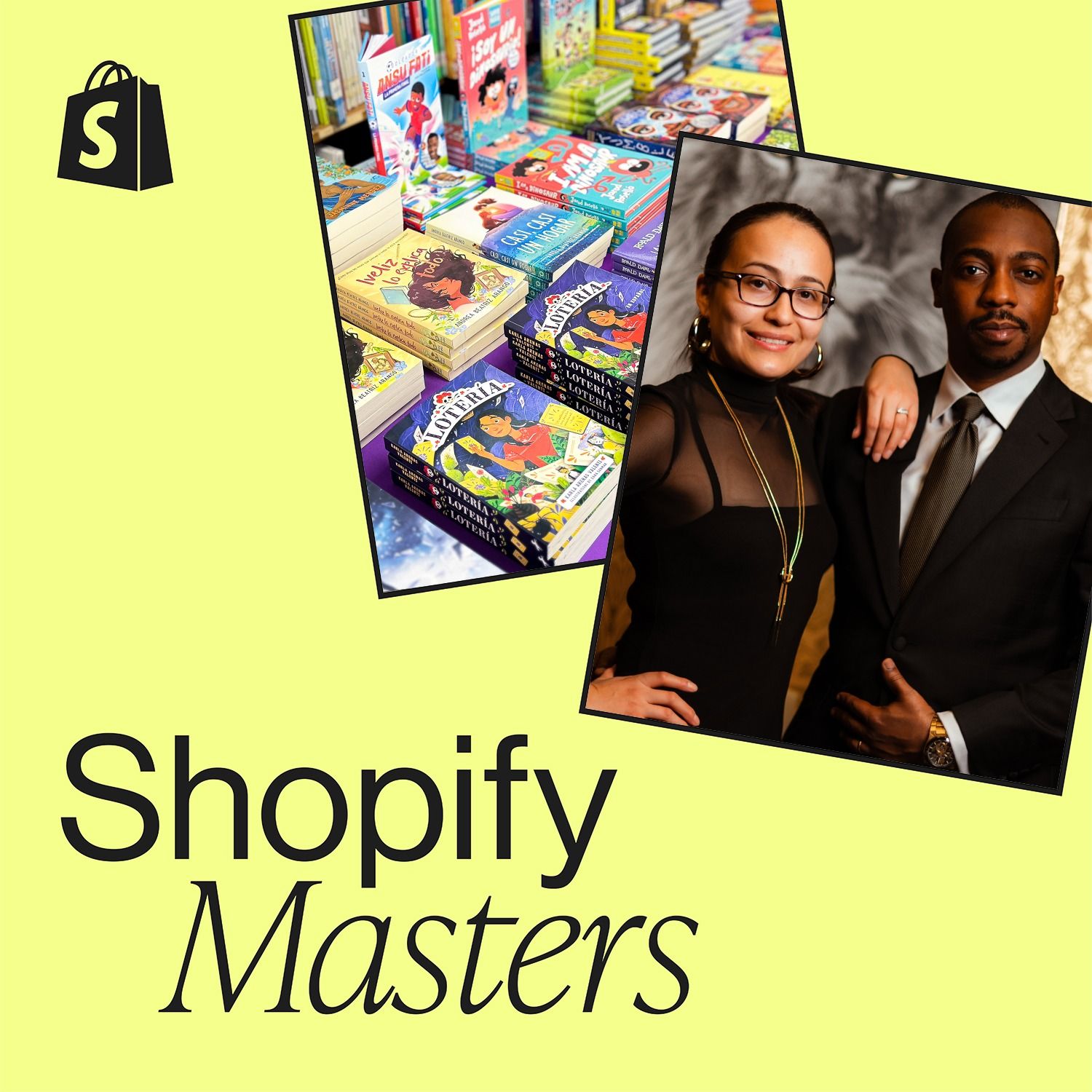
Miha Books' pivot to highly profitable school book fairs wasn't a strategic plan. It originated from a single PTA parent's suggestion while visiting their struggling brick-and-mortar store. This highlights how listening to customers can reveal a business's most lucrative opportunities.
Marriott's multi-billion dollar airline catering business didn't come from a boardroom. It began when a restaurant manager simply noticed pilots buying food before flights. Acting on this single, frontline observation created an entirely new division.
![[Outliers] J.W. Marriott: Building an Empire Without a Master Plan thumbnail](https://megaphone.imgix.net/podcasts/7c722ebe-1bfc-11f1-9f5b-bb1176fb7abc/image/974e58065d416bf3867a95181701776f.png?ixlib=rails-4.3.1&max-w=3000&max-h=3000&fit=crop&auto=format,compress)
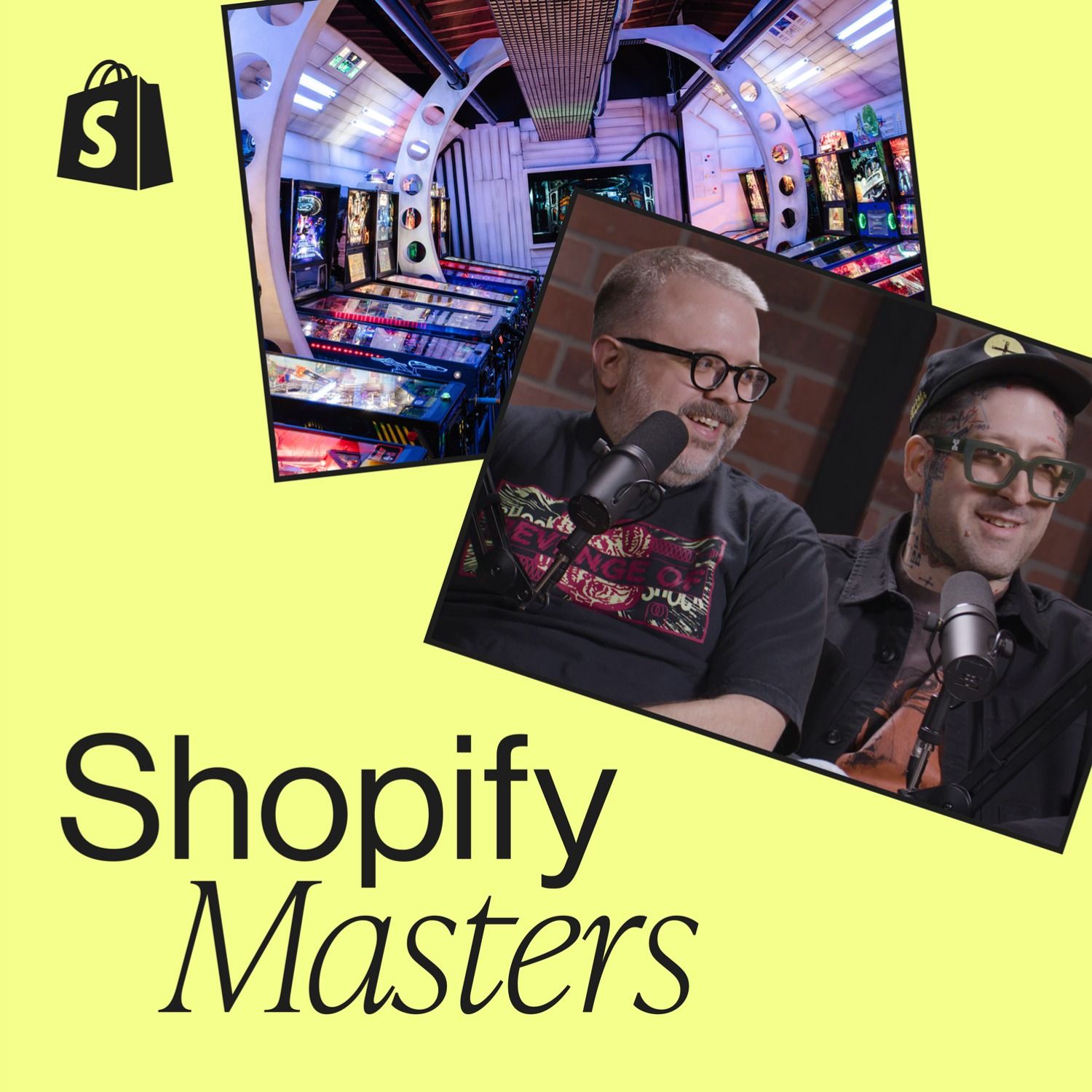
The founders opened a coffee shop next to their store not primarily for profit, but to increase customer dwell time. The goal is to keep people in their 'community hub' longer, encouraging them to browse and spend more in the main store. The cafe functions as a strategic retention tool, fostering a synergistic loop.
When your core product reaches parity with competitors, you can win by delivering 'unreasonable hospitality.' The world's #1 restaurant, unable to beat others on food alone, doubled down on exceptional, personalized service, creating a powerful competitive moat by caring more for customers.
![The power of kindness with Kory Marchisotto [Uncensored Renegades] thumbnail](https://img.transistorcdn.com/VIH3Rn5ET8-eHQxgBGNydnhXL95pc10_Kq7qTpjezuc/rs:fill:0:0:1/w:1400/h:1400/q:60/mb:500000/aHR0cHM6Ly9pbWct/dXBsb2FkLXByb2R1/Y3Rpb24udHJhbnNp/c3Rvci5mbS9zaG93/LzQ3MzEvMTU3MDAz/MjQ3NC1hcnR3b3Jr/LmpwZw.jpg)
By eliminating common revenue streams like ads, ticket fees, and expensive concessions, the Bananas create an exceptional fan experience. This builds intense loyalty and word-of-mouth, which ultimately drives more sustainable growth through ticket demand and merchandise sales, proving that customer surplus can be a primary business driver.

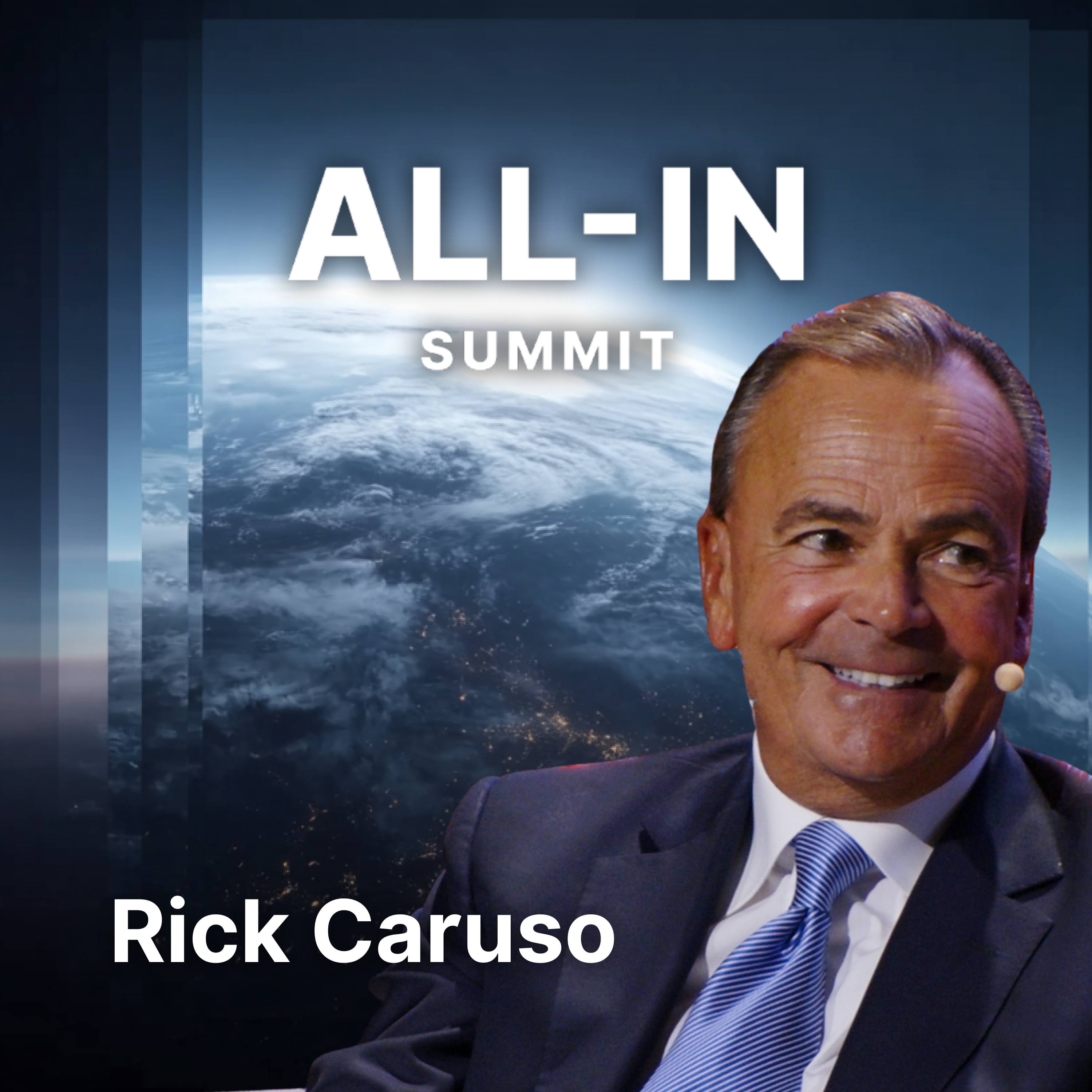
Developer Rick Caruso's company mission is "to bring joy and enrich people's lives." He argues this non-financial goal gives his team "permission" to pursue unconventional ideas like running a trolley through The Grove, which competitors focused solely on profit would dismiss, creating a significant competitive advantage in customer experience.
Costco's business model is unique: it aims to break even on merchandise sales. This allows it to offer the lowest possible prices, building immense customer loyalty. The company's entire operating profit is derived from its annual membership fees, which represent only 2% of total revenue.

The company's breakthrough, and its highest-grossing business segment, was the Cupcake ATM. This highlights that revolutionary growth can come from innovating on product access and delivery, rather than just the core product itself.