Get your free personalized podcast brief
We scan new podcasts and send you the top 5 insights daily.
Marriott's multi-billion dollar airline catering business didn't come from a boardroom. It began when a restaurant manager simply noticed pilots buying food before flights. Acting on this single, frontline observation created an entirely new division.
![[Outliers] J.W. Marriott: Building an Empire Without a Master Plan thumbnail](https://megaphone.imgix.net/podcasts/7c722ebe-1bfc-11f1-9f5b-bb1176fb7abc/image/974e58065d416bf3867a95181701776f.png?ixlib=rails-4.3.1&max-w=3000&max-h=3000&fit=crop&auto=format,compress)
Related Insights
To create a compelling value proposition, go beyond your immediate client and analyze the needs of their end customers. This downstream focus helps you identify gaps and opportunities your client may not even be aware of, solidifying your value and leading to new revenue streams.

Instead of inventing new features, Prepared identified its most lucrative expansion opportunity by seeing users' painful workarounds. They noticed 911 dispatchers manually copy-pasting foreign language texts into Google Translate—a clear signal of a high-value problem they could solve directly.

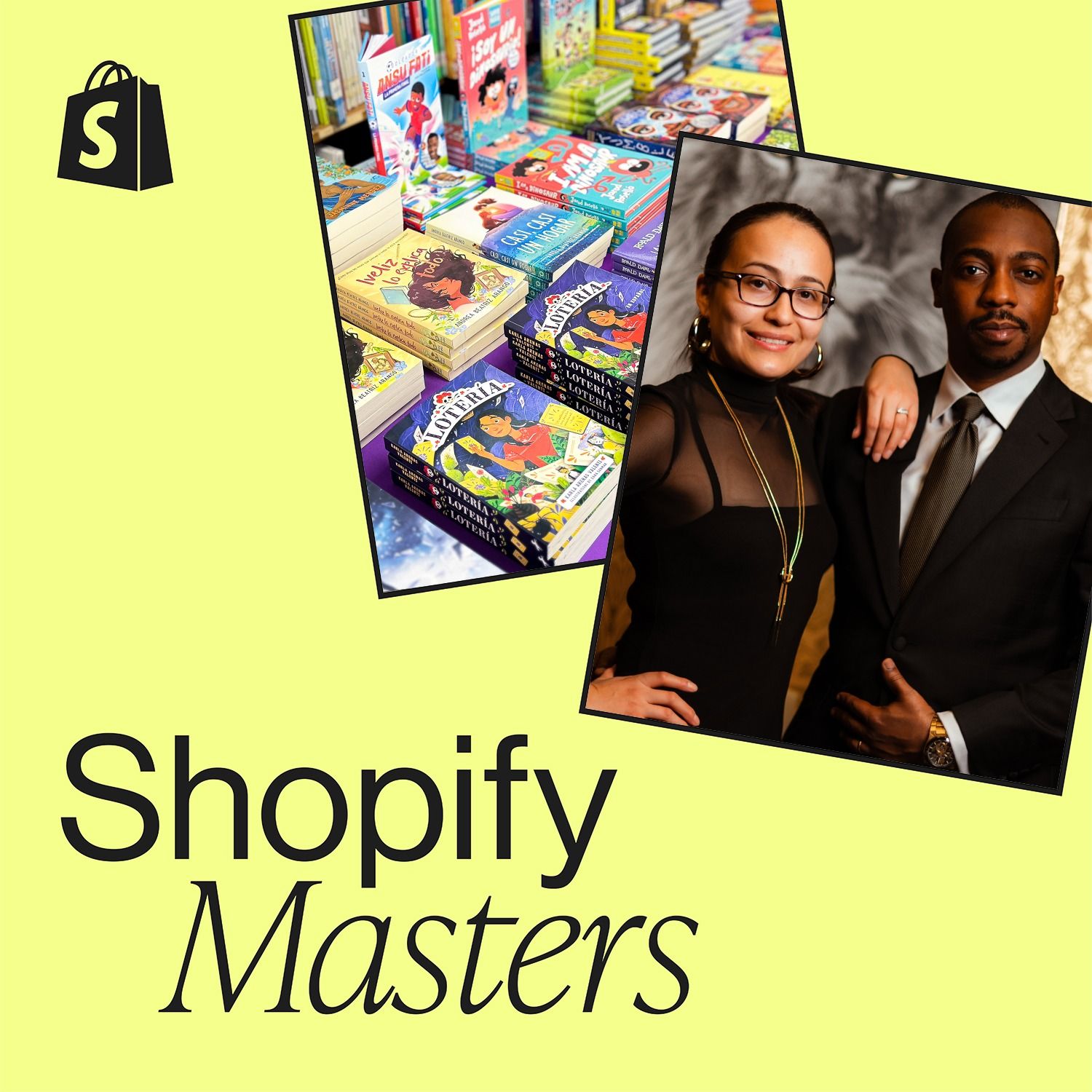
Miha Books' pivot to highly profitable school book fairs wasn't a strategic plan. It originated from a single PTA parent's suggestion while visiting their struggling brick-and-mortar store. This highlights how listening to customers can reveal a business's most lucrative opportunities.
Instead of turning away a customer's difficult request, Pipeline secretly sourced a solution using their internal supply chain. This 'surprise and delight' approach not only strengthened the client relationship but also validated a high-value service, proving that investing in solving customer problems can directly lead to new revenue streams.

Brainstorming cannot reveal the true friction in your customer experience. Following JetBlue's example, leaders must regularly become their own customers. This practice uncovers how high-level decisions inadvertently create flaws in the customer journey that are invisible from the boardroom.
Kroc's former employer, Lily Tulip, defined itself as a paper cup company and missed the Multi-Mixer opportunity. Kroc, who saw himself as solving problems for food service operators, immediately grasped its potential. This mindset shift is crucial for identifying adjacent growth opportunities.
![How McDonald’s Took Over America | Ray Kroc [Outliers] thumbnail](https://megaphone.imgix.net/podcasts/d0322c9e-fafe-11f0-9d3a-33cd8954a249/image/b6e608ebb74a48e538e9a5b28089e4e7.png?ixlib=rails-4.3.1&max-w=3000&max-h=3000&fit=crop&auto=format,compress)
Expanding from puzzles to napkins seems illogical, but Peacework did it to support a marketing campaign for a tomato-themed puzzle. The napkins sold surprisingly well, becoming a major new business arm. This shows that ignoring conventional product expansion advice can uncover unexpected opportunities.

J.W. Marriott never defined his company as a 'root beer business.' He was in the business of feeding people. This customer-centric identity allowed him to pivot from drinks to restaurants to hotels, while competitors tied to a single product failed.
The Filet-O-Fish, Big Mac, and Egg McMuffin were all created by local operators solving specific customer problems in their markets. This demonstrates the immense power of a decentralized innovation model where the best ideas flow from the frontline, not just from the top down.
J.W. Marriott built three distinct business lines with different customers and revenue patterns. This wasn't just an expansion strategy; it was a defensive move. It created a resilient portfolio where a slump in one division could be carried by the others.