Get your free personalized podcast brief
We scan new podcasts and send you the top 5 insights daily.
CEO Gary Friedman intentionally omits hard alcohol from the in-store restaurant, believing it fosters a more comfortable, safer environment for female customers to linger, which in turn drives retail performance.

Related Insights
The absence of numbered aisles at Whole Foods is a deliberate customer experience strategy, not an oversight. It forces shoppers to ask employees for help, who are then trained to personally walk them to the item. This design choice engineers personal conversations and embeds a high-touch service model directly into the store's physical layout.

Buc-ee's success was not based on gas sales but on creating an unmissable destination. The core insight was that superior restrooms would attract female passengers, driving footfall and enabling a large-scale, high-margin retail operation. The restrooms themselves make no money but are the engine of the entire business.

Counterintuitively, Trader Joe's rejects the retail gospel of efficiency. Small stores and stocking during open hours create a bustling, high-interaction environment. This fosters a sense of community and social connection, which is a key part of the value proposition for its core demographic of young professionals and retirees.
Counterintuitively, Michelin-star establishments like The French Laundry were the earliest adopters because their core mission is ultimate guest hospitality. Mid-tier restaurants, being less focused on bespoke service, took years longer to understand and cater to this growing customer need.
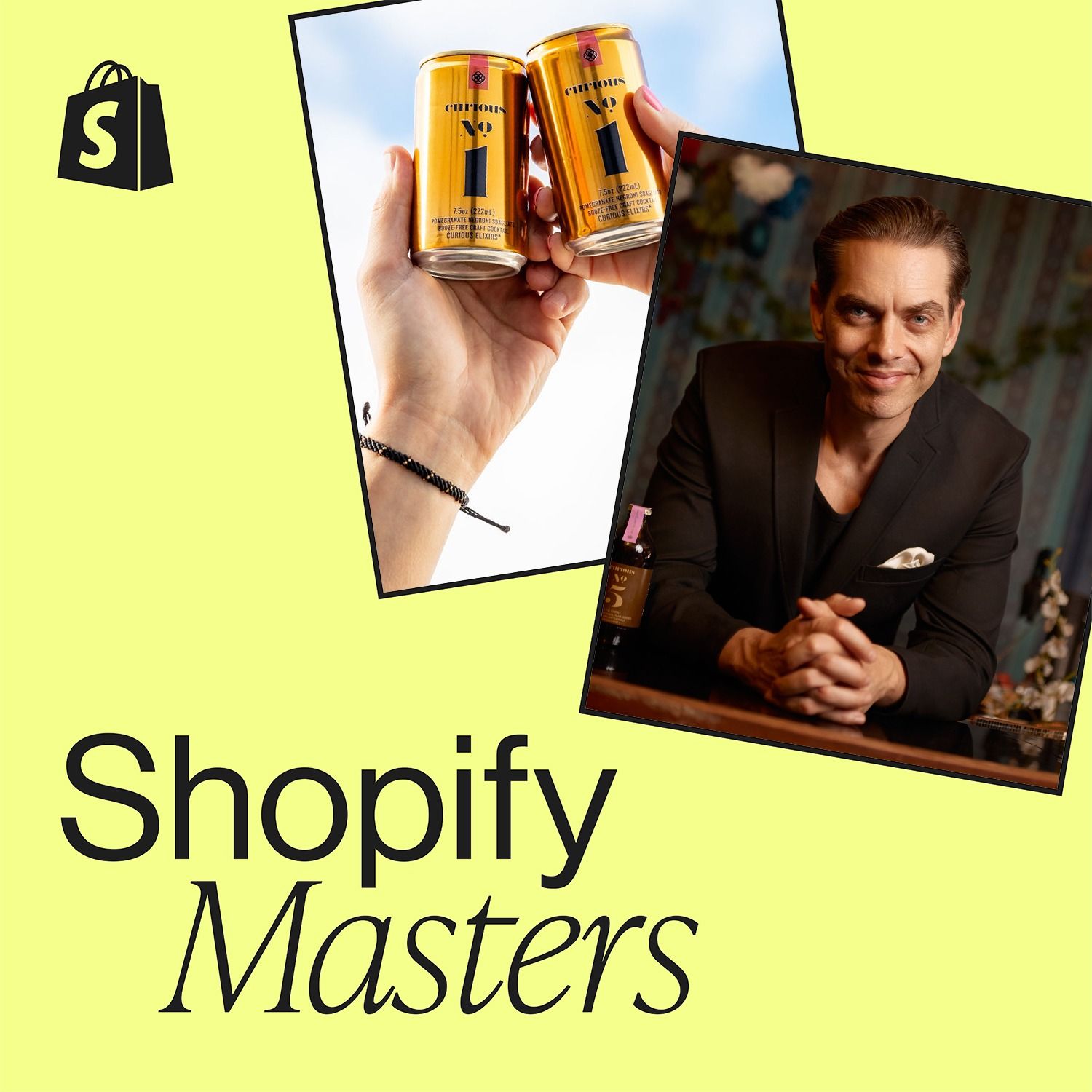
The key business insight came not from the target sober-curious niche, but when a general party audience drained the non-alcoholic punch bowl faster than the boozy one. This proved a much larger addressable market existed among casual and social drinkers.
A great retail experience goes beyond transactions. Successful brands like Lululemon create "retail theater" by hosting local events like yoga classes in their stores. This builds community and brand loyalty, generating higher long-term ROI than focusing purely on daily sales per square foot.

Businesses often fail by selling a generic category instead of specific experiences. A restaurant doesn't just sell "food"; it sells a bar experience, a tasting menu, and private events. By explicitly defining and selling these offerings upfront, businesses can match customers to value and significantly boost revenue.
![Nick Kokonas - Know What You Are Selling - [Invest Like The Best, REPLAY] thumbnail](https://megaphone.imgix.net/podcasts/c7f11b7e-e516-11f0-8700-239aa8e47bb9/image/552faf7d658b75e441e80eef4cf6b0b3.jpg?ixlib=rails-4.3.1&max-w=3000&max-h=3000&fit=crop&auto=format,compress)
Major beverage companies are turning the teetotalism trend into a high-margin opportunity. They market non-alcoholic beers at prices comparable to their alcoholic counterparts. Because these products are not subject to alcohol taxes, companies can achieve significantly higher profit margins, effectively monetizing sobriety.

An insight that men bought carpets based on durability was wrong. Women were the primary buyers, and their top criterion was color. By redesigning the retail space to emulate a makeup counter—with softer lighting, curves, and lifestyle imagery—sales skyrocketed 350% in six weeks.

Athletic Brewing isn't just serving non-drinkers; 80% of its customers also consume alcohol. The brand is bringing new consumers into the beer category (25% are new to beer) and creating new consumption occasions, making it an additive force in an otherwise declining market.