Get your free personalized podcast brief
We scan new podcasts and send you the top 5 insights daily.
Veiled threats or polite requests convey a message without making it "official" common knowledge. This preserves the existing social relationship (e.g., friends, colleagues) by providing plausible deniability, even when the underlying meaning is clear to both parties.

Related Insights
This powerful maxim highlights a core cause of conflict in teams and relationships. When you expect someone to do something without clearly communicating it, you are setting them up to fail and preparing yourself to be resentful when they inevitably do. This frames clear communication not as a preference, but as a mandatory prerequisite for avoiding bitterness and maintaining healthy dynamics.

The biggest professional and personal problems often stem from a lack of candor. Withholding honest feedback to "keep the peace" is a destructive act that enables bad behavior and builds personal resentment over time. Delivering the truth, even when difficult, is a gift that addresses problems head-on and prevents future failure.

Deciding between email and a face-to-face conversation for a tough message isn't about what's easiest for you. The choice should be a strategic one based on the desired relational outcome. Use email for transactional updates; use direct conversation to preserve relationships.
The act of looking at someone's eyes—the part of them that does the looking—creates an unbreakable feedback loop of "I know you know I know..." This immediately establishes common knowledge, forcing a resolution to the social game being played, whether it's a threat, a challenge, or an invitation.
To defuse conflict, frame your perspective as a personal narrative rather than objective fact. This linguistic tool signals vulnerability and invites dialogue by acknowledging your story could be wrong, preventing the other person's brain from defaulting to a defensive, "fight or flight" response.

A person can be incredibly candid in public content but deeply fear one-on-one confrontation. This paradox often stems from past negative experiences with candor. Overcoming this requires reframing it as an act of kindness ('kind candor') to separate the tool from its past negative deployment.
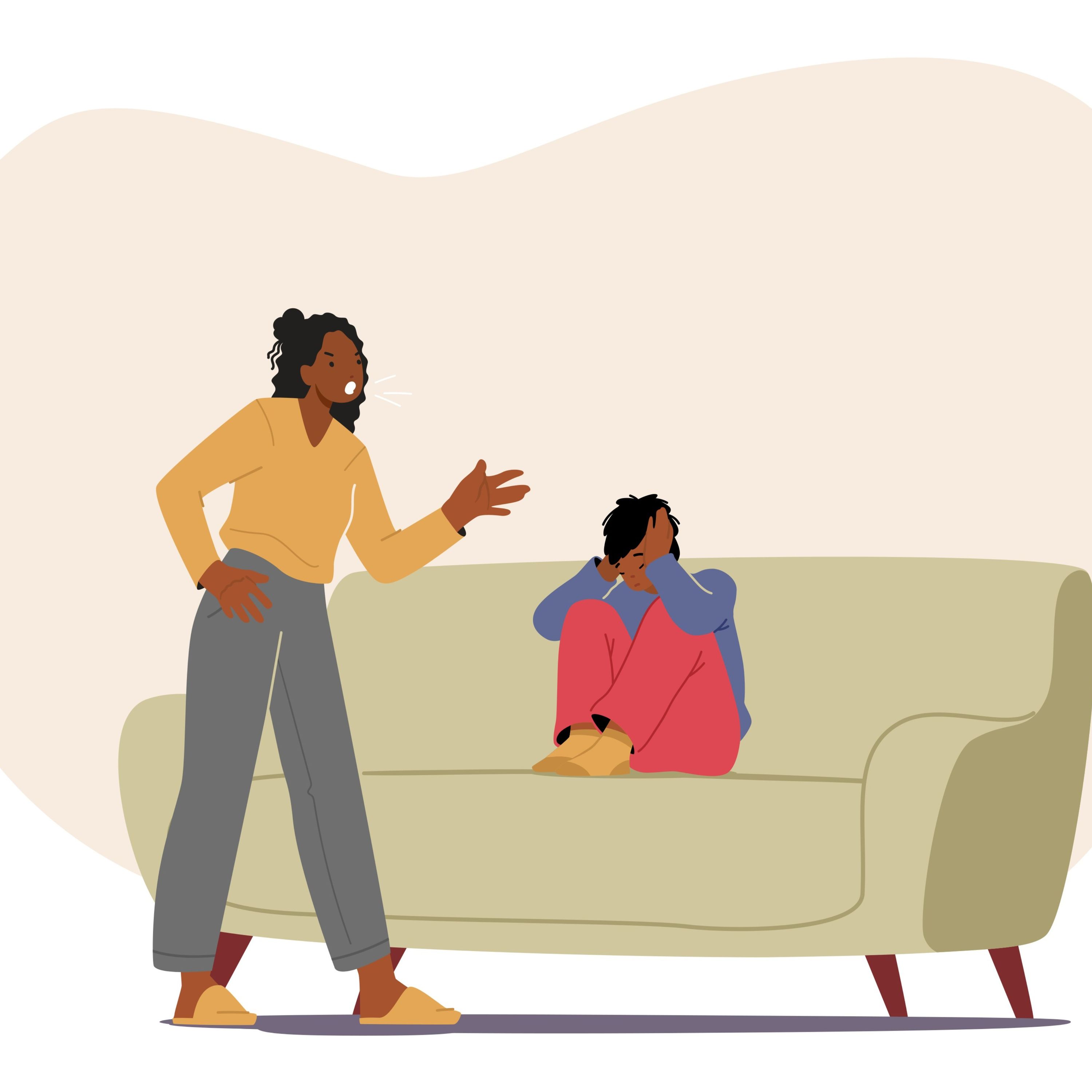
What appears as outward aggression, blame, or anger is often a defensive mechanism. These "bodyguards" emerge to protect a person's inner vulnerability when they feel hurt. To resolve conflict, one must learn to speak past the bodyguards to the underlying pain.

When someone immediately shuts down a question with 'I don't care,' it may not be apathy. It can be a preemptive defense from individuals who need longer to process information and formulate a response, allowing them to avoid the pressure of an immediate answer.

The key to a successful confrontation is to stop thinking about yourself—whether you need to be seen as tough or be liked. The singular goal is to communicate the unvarnished truth in a way the other person can hear and act upon, without their defensiveness being triggered by your own emotional agenda.

People are more willing to accept and incorporate feedback about traits they see as secondary, like being "well-spoken" or "witty." Tying feedback to core identity traits, such as kindness or integrity, is more likely to be perceived as a threat and trigger a defensive response.