Get your free personalized podcast brief
We scan new podcasts and send you the top 5 insights daily.
In a radical shift, LinkedIn is ending its traditional Associate Product Manager (APM) program. It's being replaced by an Associate Product Builder (APB) program where new hires are trained from day one in coding, design, and product management, reflecting the move toward a consolidated, AI-powered builder role.

Related Insights
AI will eliminate the tedious 'hazing' phase of a junior developer's career. Instead of spending years on boilerplate code and simple bug fixes, new engineers will enter an 'officer's school,' immediately focusing on high-level strategic tasks like system architecture and complex problem-solving.

LinkedIn's CPO reveals their unique data shows the skills needed for current jobs will change by 70% in just a few years. This rapid obsolescence is the primary driver for rethinking product development, as companies must adapt faster than ever to stay competitive.
As AI becomes foundational, the PM role will specialize. A new "AI Platform PM" will emerge to own core infrastructure like embeddings and RAG. They will expose these as services to domain-expert PMs who focus on user-facing features, allowing for deeper expertise in both areas.

Dylan Field predicts that AI tools will blur the lines between design, engineering, and product management. Instead of siloed functions, teams will consist of 'product builders' who can contribute across domains but maintain a deep craft in one area. Design becomes even more critical in this new world.

Recognizing that providing tools is insufficient, LinkedIn is making "AI agency and fluency" a core part of its performance evaluation and calibration process. This formalizes the expectation that employees must actively use AI tools to succeed, moving adoption from voluntary to a career necessity.
AI tools are collapsing the traditional moats around design, engineering, and product. As PMs and engineers gain design capabilities, designers must reciprocate by learning to code and, more importantly, taking on strategic business responsibilities to maintain their value and influence.
As AI tools empower individuals to handle tasks across the entire product development lifecycle, traditional, siloed roles are merging. This fundamental shift challenges how tech professionals define their value and contribution, causing significant professional anxiety.
LinkedIn is piloting a "Full Stack Builder" model where individuals handle the entire product lifecycle. The model's goal is to automate most tasks, allowing builders to focus on uniquely human traits: vision, empathy, communication, creativity, and especially judgment.
AI's rise means traditional product roles are merging. Instead of identifying as a PM or designer, focus on your core skills (e.g., visual aesthetics, systems thinking) and use AI to fill gaps. This 'builder' mindset, focused on creating end-to-end, is key for future relevance.
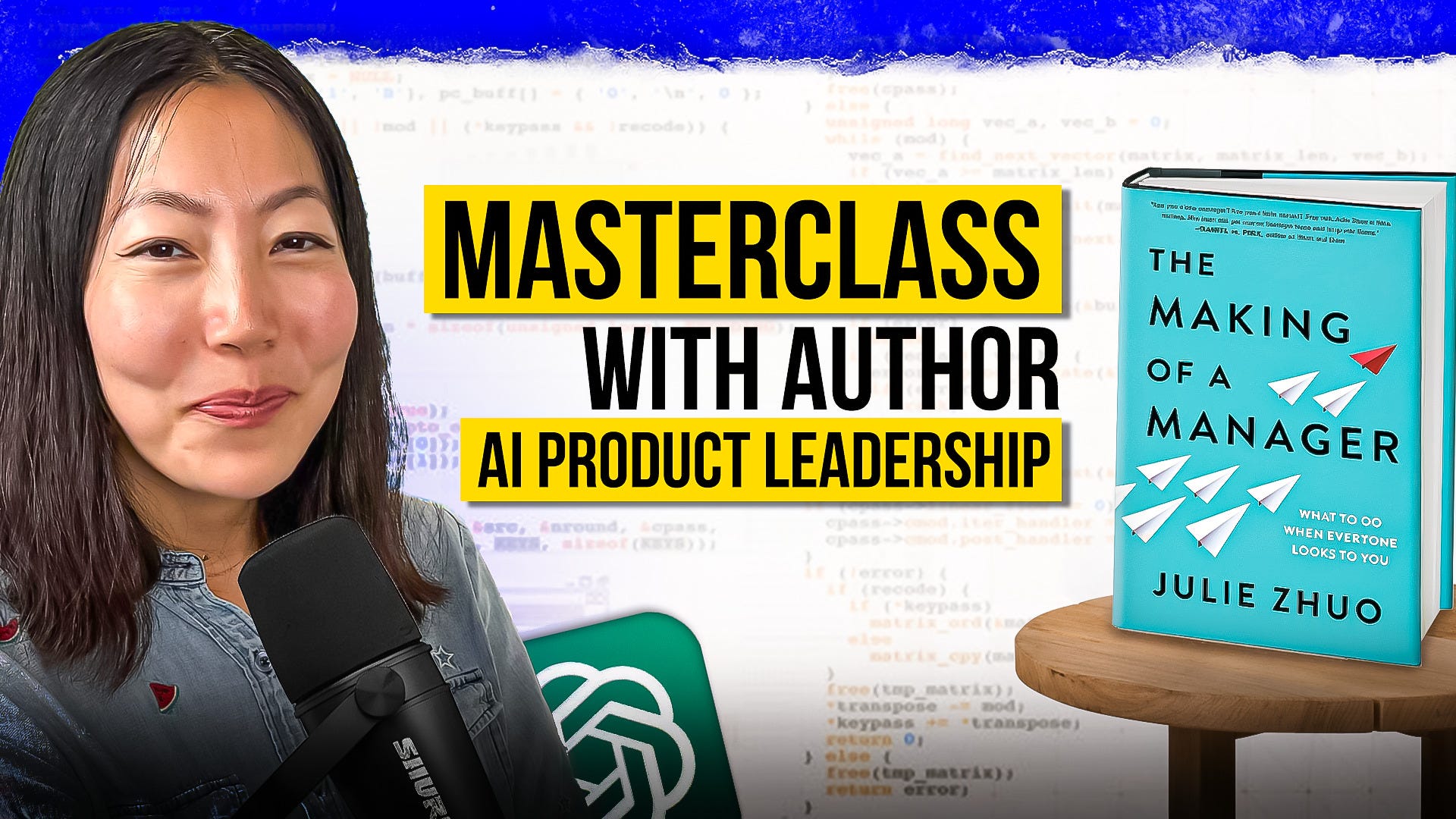
The traditional tasks of a product manager—writing specs, building plans, prototyping—are being automated by AI. The role will likely evolve into a hybrid "Experience Engineer" who combines product, design, and engineering skills to build experiences, or a highly commercial "GM" role with direct P&L responsibility.
