Get your free personalized podcast brief
We scan new podcasts and send you the top 5 insights daily.
LinkedIn's CPO reveals their unique data shows the skills needed for current jobs will change by 70% in just a few years. This rapid obsolescence is the primary driver for rethinking product development, as companies must adapt faster than ever to stay competitive.

Related Insights
Amazon's plan to automate 75% of operations isn't just about job replacement; it's a fundamental workforce transformation. Future roles, even for hourly workers and managers in its facilities, will increasingly require knowledge of engineering and robotics to maintain the vast robot fleet, shifting the baseline for employment.
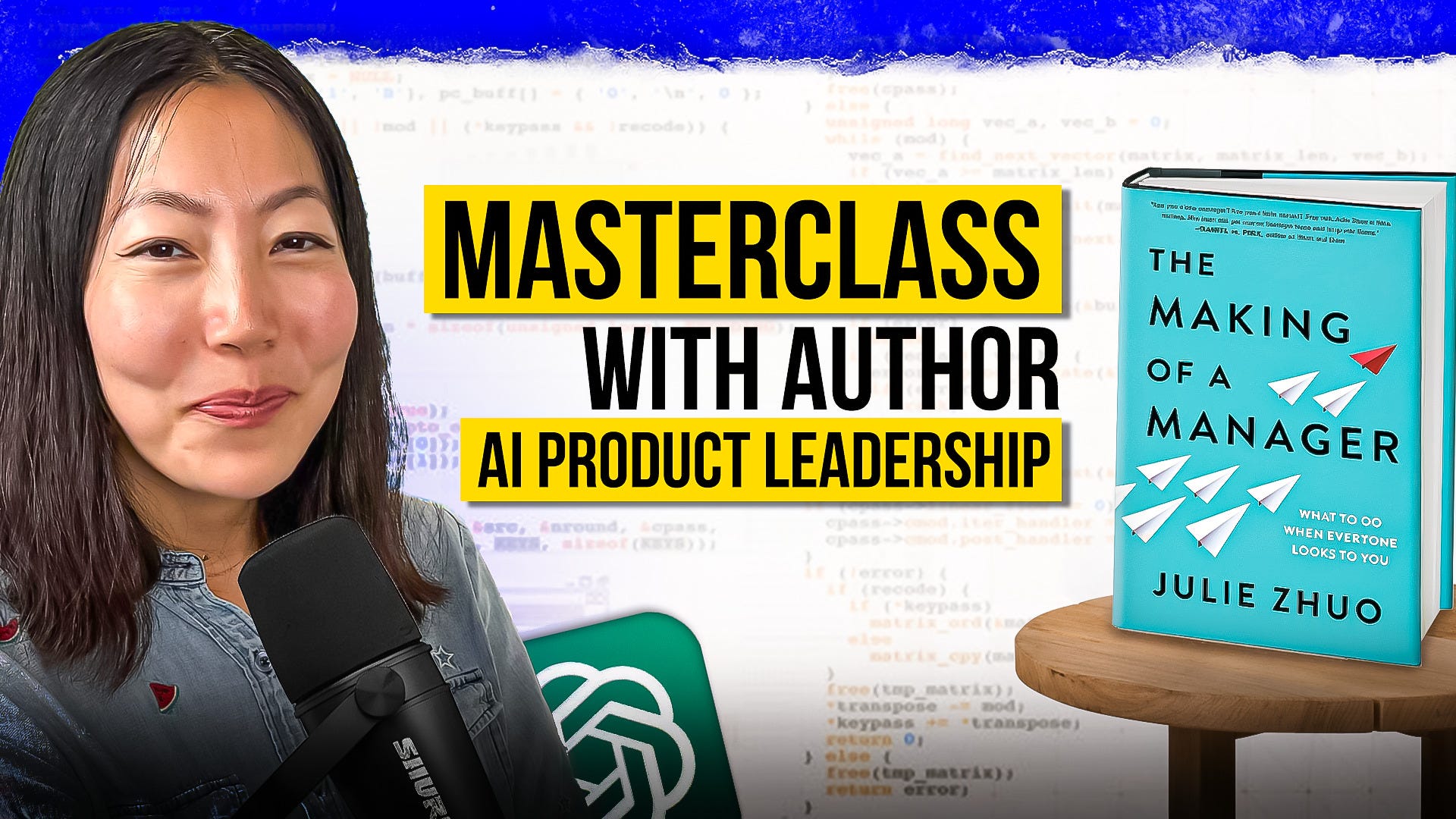
In a radical shift, LinkedIn is ending its traditional Associate Product Manager (APM) program. It's being replaced by an Associate Product Builder (APB) program where new hires are trained from day one in coding, design, and product management, reflecting the move toward a consolidated, AI-powered builder role.
Industry leaders from LinkedIn and Salesforce predict that AI will automate narrow, specialized tasks, fundamentally reshaping careers. The future workforce will favor 'professional generalists' who can move fluidly between projects and roles, replacing rigid departmental structures with dynamic 'work charts.'
As AI agents handle technical execution, the most valuable human skill becomes ideation. Replit CEO Amjad Massad predicts this will dissolve rigid corporate hierarchies in favor of adaptable teams of generalists who collaborate with autonomous AI tools to bring ideas to life.
Don't hire based on today's job description. Proactively run AI impact assessments to project how a role will evolve over the next 12-18 months. This allows you to hire for durable, human-centric skills and plan how to reallocate the 30%+ of their future capacity that will be freed up by AI agents.

The traditional product management skillset is no longer sufficient for executive leadership. Aspiring CPOs must develop deep expertise in either the commercial aspects of the business (GTM, revenue) or the technical underpinnings of the product to provide differentiated value at the C-suite level.

AI's rise means traditional product roles are merging. Instead of identifying as a PM or designer, focus on your core skills (e.g., visual aesthetics, systems thinking) and use AI to fill gaps. This 'builder' mindset, focused on creating end-to-end, is key for future relevance.
The traditional tasks of a product manager—writing specs, building plans, prototyping—are being automated by AI. The role will likely evolve into a hybrid "Experience Engineer" who combines product, design, and engineering skills to build experiences, or a highly commercial "GM" role with direct P&L responsibility.
Technical implementation is becoming easier with AI. The critical, and now more valuable, skill is the ability to deeply understand customer needs, communicate effectively, and guide a product to market fit. The focus is shifting from "how to build it" to "what to build and why."

In a paradigm shift like AI, an experienced hire's knowledge can become obsolete. It's often better to hire a hungry junior employee. Their lack of preconceived notions, combined with a high learning velocity powered by AI tools, allows them to surpass seasoned professionals who must unlearn outdated workflows.
