Get your free personalized podcast brief
We scan new podcasts and send you the top 5 insights daily.
A New York Times analysis shows declining viewership for major right-wing influencers like Ben Shapiro. The once-monolithic media landscape is splintering due to widening pro- and anti-Trump divisions, signaling a potential shift in political media consumption.

Related Insights
The public feuds between right-wing media figures are not a bug, but a feature. They create a 'soap opera' dynamic that serves as a form of political entertainment, keeping the audience deeply engaged and living entirely within that specific media ecosystem, reinforcing their worldview.
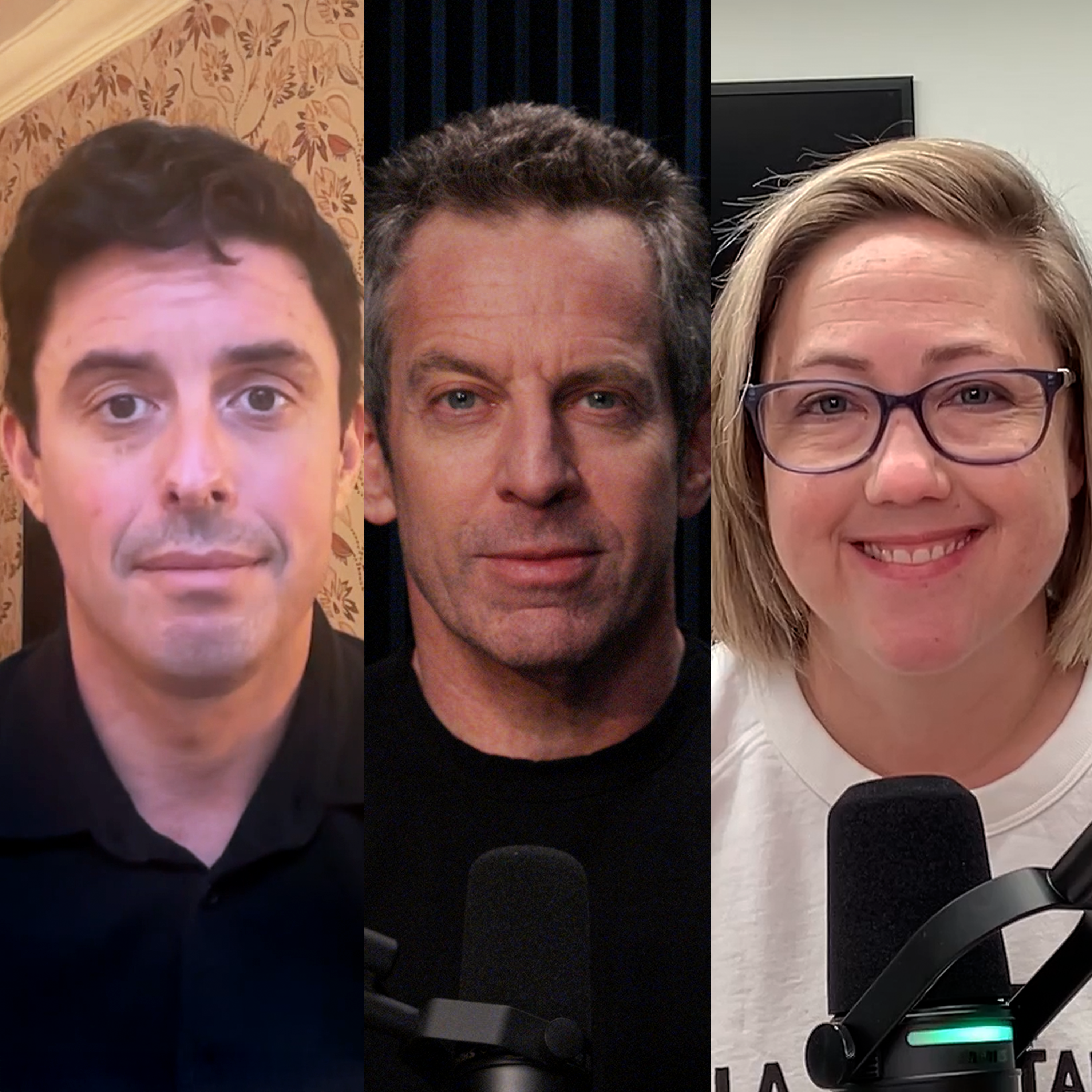
Podcast host Ben Smith posits that there was an asymmetry in media consumption, with conservatives closely following left-leaning outlets like Gawker. This gave them deep insights into their ideological opponents, while many on the left remained unaware of the right's media ecosystem.

Dominating Twitter creates an echo chamber that deranges a political group's perception of reality. Progressives dominated in 2020 and their extreme online takes became liabilities by 2024. The Right is now in a similar position, which will likely hurt them electorally in the future.

The MAGA movement is fracturing in real-time as key figures openly challenge Trump. This indicates the succession battle has already begun, driven by policy disagreements, influencer dynamics, and conspiracy theories, shifting the movement from a monolithic base to a multi-polar power struggle.
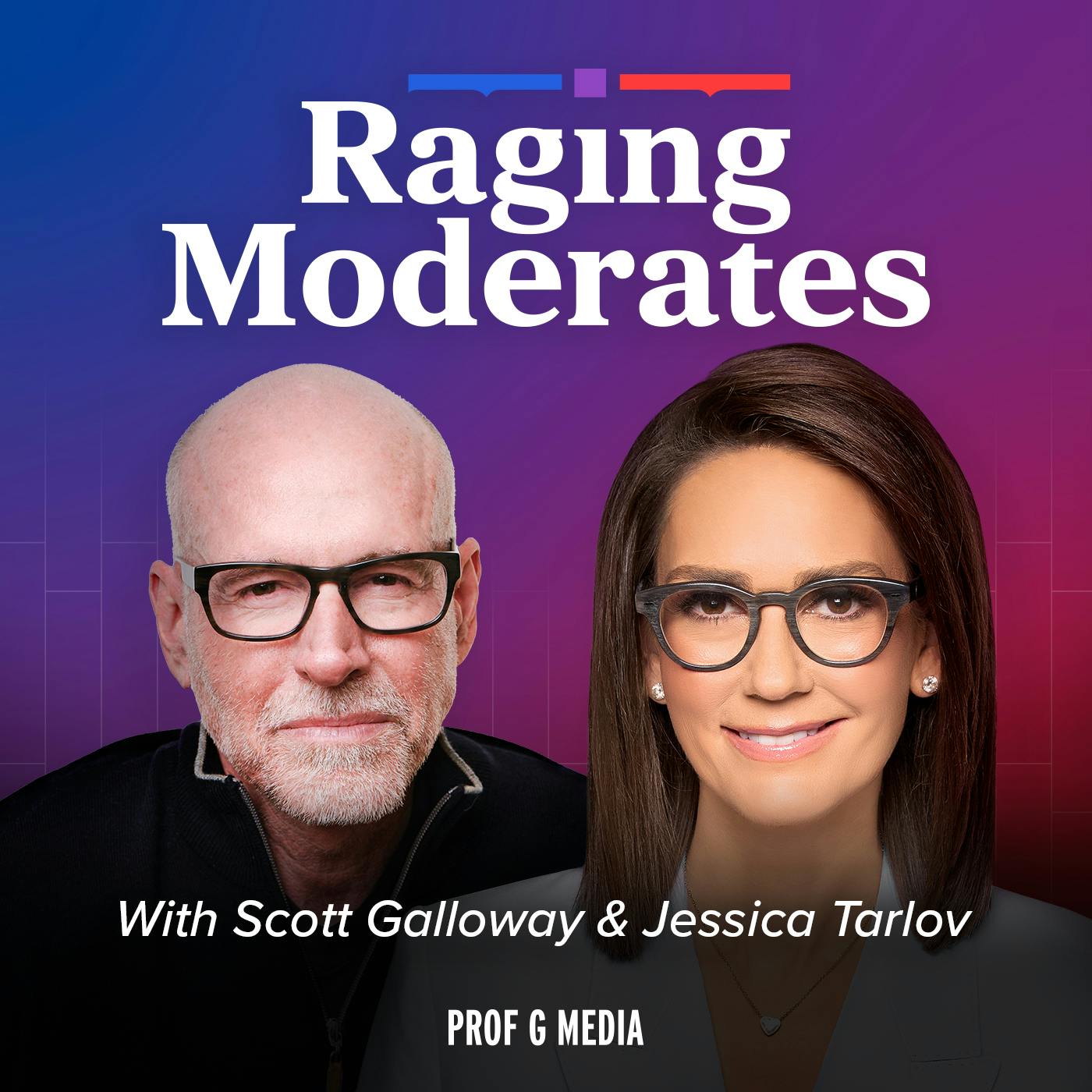
In a polarized media environment, audiences increasingly judge news as biased if it doesn't reflect their own opinions. This creates a fundamental challenge for public media outlets aiming for objectivity, as their down-the-middle approach can be cast as politically hostile by partisans who expect their views to be validated.

The political divide is no longer just about policy; it's a fundamental separation of information ecosystems. Red and Blue America use different social media, consume different news, and don't interact, creating worldviews as different as North and South Korea. This digital separation precedes any physical one.
Cross-posting identical content to X and Threads elicits wildly different reactions, with one platform leaning heavily left and the other right. This demonstrates the deep political siloing of online discourse, where each platform caters to and reinforces a specific ideological viewpoint.

Instead of everything simply getting dumber, media is splitting into two extremes. Both hyper-short (four-second videos) and hyper-long (four-hour podcasts) content are thriving. It is the middle-length, moderately complex content that is being hollowed out as audiences gravitate towards the poles.
The greatest threat to MAGA's cohesion isn't external opposition but internal conflict. Key media figures like Megyn Kelly and Candace Owens are publicly "beefing," signaling a fracturing of the movement from within that could mark the beginning of its end.

A power inversion is happening in media access. Politicians actively seek appearances on creator shows, known for softer content, while legacy news outlets struggle to get interviews. This highlights a strategic shift where politicians prioritize friendly mass reach over journalistic scrutiny.