Get your free personalized podcast brief
We scan new podcasts and send you the top 5 insights daily.
The current wave of lawsuits against social media companies mirrors the legal challenges faced by Big Tobacco in the 1990s. This precedent suggests the industry will likely consolidate its legal risk by pursuing a single, massive settlement to resolve all claims, rather than fighting thousands of individual cases.

Related Insights
The current chaos of online misinformation isn't just a tech outcome; it was legally enabled. The 1996 Telecommunications Act shielded both users and platforms from liability, effectively removing the libel laws that governed traditional media and creating a legal free-for-all.

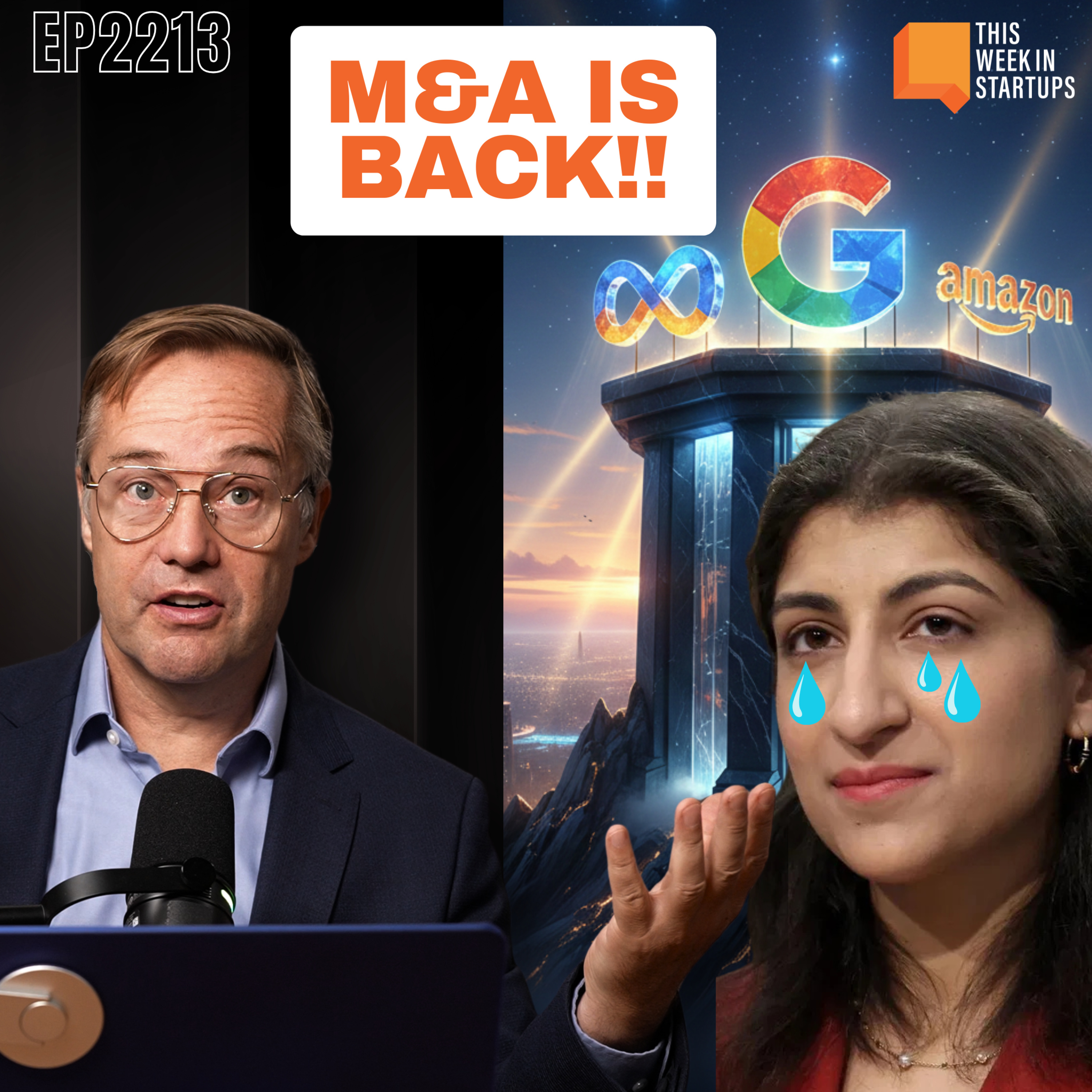
Recent antitrust lawsuits against Meta and Google resulted in minimal consequences ("nothing burgers"), signaling a more permissive regulatory environment. Combined with anticipated economic stimulus, this creates ideal conditions for a wave of large-scale M&A ($25B-$250B) among major tech companies in the coming year.
AI's impact on the legal world is twofold. On one hand, AI tools will generate more lawsuits by making it easier for firms to discover and assemble cases. On the other hand, AI will speed up the resolution of those cases by allowing parties to more quickly analyze evidence and assess the strengths and weaknesses of their positions, leading to earlier settlements.

The legal strategy against social media giants mirrors the 90s tobacco lawsuits. The case isn't about excessive use, but about proving that features like infinite scroll were intentionally designed to addict users, creating a public health issue. This shifts liability from the user to the platform's design.
The legal system has become financialized, creating an asymmetry where it's cheap to sue but extremely expensive to defend. This is weaponized against news outlets, with legal threats increasing tenfold in six months even for non-political journalism. The high cost of defense is becoming a primary operational risk.

The next wave of social media regulation is moving beyond content moderation to target core platform design. The EU and US legal actions are scrutinizing features like infinite scroll and personalized algorithms as potentially "addictive." This focus on platform architecture could fundamentally alter the user experience for both teens and adults.

The settlement, while imposing penalties, leaves Live Nation's core business intact. This removes major regulatory overhang, much like Google's case, after which its stock surged 60%. This precedent suggests a similar upward trajectory for Live Nation as the "monopoly discount" risk is removed.
A landmark verdict against Meta and YouTube reveals a new legal strategy to bypass Section 230 immunity. By suing over the intentional, addictive design of features like infinite scroll and autoplay, plaintiffs can frame the platform itself as a defective product, shifting the legal battle from content moderation to product liability.
The landmark trial against Meta and YouTube is framed as the start of a 20-30 year societal correction against social media's negative effects. This mirrors historical battles against Big Tobacco and pharmaceutical companies, suggesting a long and costly legal fight for big tech is just beginning.

The music industry allegedly employs a cynical strategy: it tacitly allows tech startups to use its intellectual property without licensing. Once a startup gains traction and value, the industry launches coordinated, expensive lawsuits to force a large settlement for cash or equity.