Get your free personalized podcast brief
We scan new podcasts and send you the top 5 insights daily.
The settlement, while imposing penalties, leaves Live Nation's core business intact. This removes major regulatory overhang, much like Google's case, after which its stock surged 60%. This precedent suggests a similar upward trajectory for Live Nation as the "monopoly discount" risk is removed.

Related Insights
While mergers like Netflix/Warner Bros. raise antitrust concerns, the low cost of creating and distributing content ensures a competitive landscape at the content layer. This mitigates monopoly risks even if distribution platforms consolidate.
The league's ability to pool television rights and merge with the rival AFL—actions illegal for most businesses—was only possible through specific legislation. These government-granted antitrust exemptions became a core, unassailable competitive advantage.
Anticipating years of antitrust scrutiny for any major acquisition, tech giants are now opting for massive, multi-billion dollar IP licensing deals. This structure allows them to acquire talent and technology almost instantly, bypassing regulatory roadblocks that kill traditional M&A.
Recent antitrust lawsuits against Meta and Google resulted in minimal consequences ("nothing burgers"), signaling a more permissive regulatory environment. Combined with anticipated economic stimulus, this creates ideal conditions for a wave of large-scale M&A ($25B-$250B) among major tech companies in the coming year.
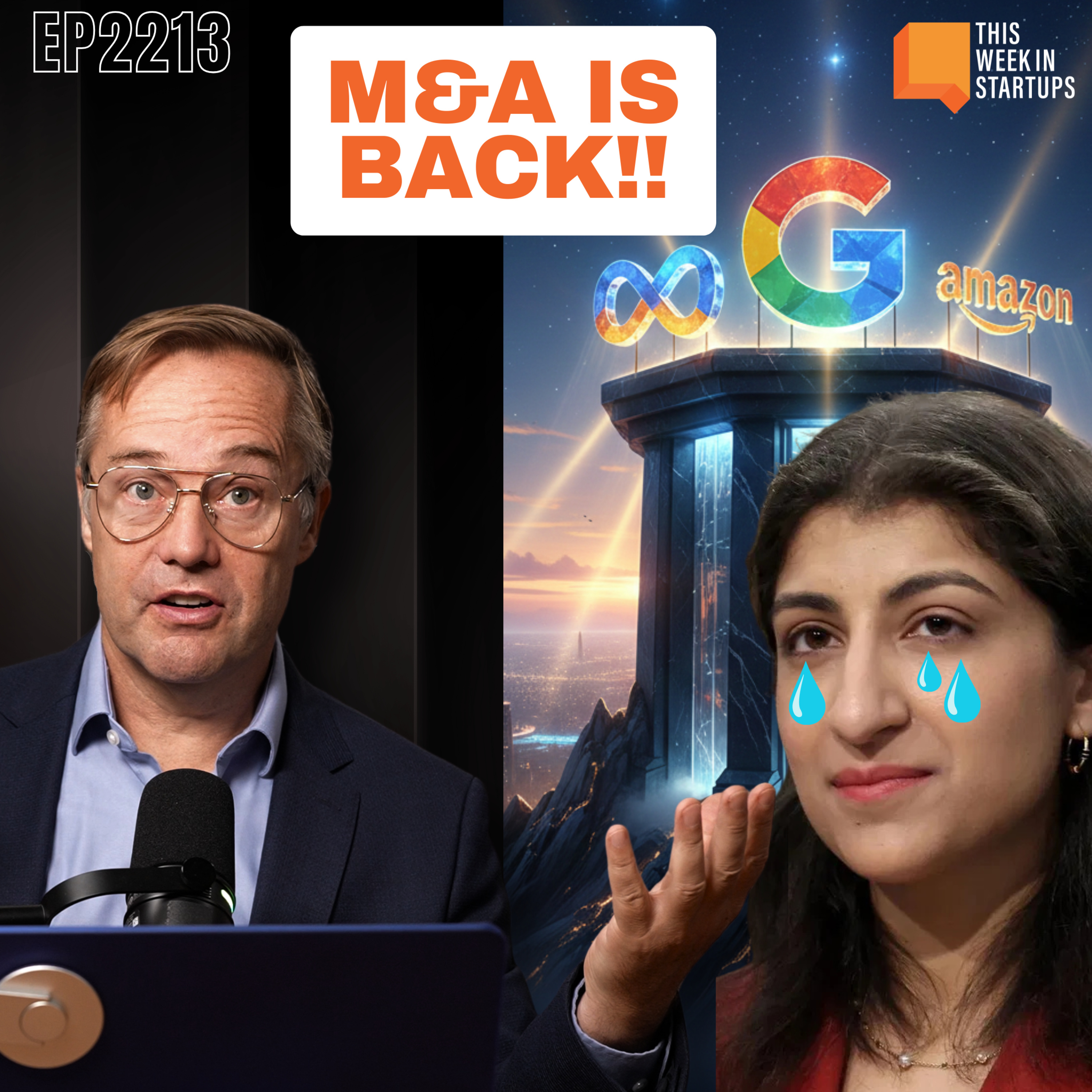
Anthropic's $1.5B copyright settlement highlights that massive infringement fines are no longer an existential threat to major AI labs. With the ability to raise vast sums of capital, these companies can absorb such penalties by simply factoring them into their next funding round, treating them as a predictable operational expense.
Upon acquiring F1, Liberty Media's most impactful change was implementing a cost cap. This ended the era of unlimited spending, where most teams lost money. It instantly made every team financially viable and, for top teams, highly profitable. This single regulatory change is the primary reason average team valuations have surged to over $3.6 billion today.

Stripe is reportedly considering an acquisition of PayPal, which is trading down 85% from its peak despite strong cash flow and a massive user base. Such a deal would unite two payments behemoths, creating a powerful entity but also raising immediate and significant antitrust questions from regulators.

Meta's victory over the FTC's antitrust challenge is not just a legal footnote; it signals the end of a highly restrictive regulatory era. This will likely trigger a massive wave of M&A, as large tech companies are now emboldened to acquire stagnant, late-stage private "unicorns" that have been stuck without an exit path.

Recent streaming price increases, which are vastly outpacing inflation, serve as the primary evidence that the market is already too consolidated. Further mergers would grant companies like Netflix unchecked pricing power, transferring wealth from consumers and labor directly to shareholders in an oligopolistic environment.

The FTC's failure to prove Meta held a monopoly set a powerful legal precedent, signaling that regulators face a high burden of proof. This has effectively given a green light to large-scale acquisitions, kicking off a "golden age of M&A" as companies feel emboldened to pursue mega-deals without fear of being blocked.
