Get your free personalized podcast brief
We scan new podcasts and send you the top 5 insights daily.
The Israeli Defense Forces are using curated tours for journalists, like showcasing a Hezbollah drone factory, as a public relations tool. The explicit goal is to demonstrate a continued threat from Hezbollah, thereby justifying their military campaign and publicly undermining the legitimacy of the US-imposed ceasefire in Lebanon.

Related Insights
With the main war against Iran ending on disadvantageous terms for Israel, Prime Minister Netanyahu is prolonging the conflict with Hezbollah in Lebanon. This allows him to project a "fighting spirit" to his electorate ahead of an election, turning a secondary front into a primary stage for political posturing.
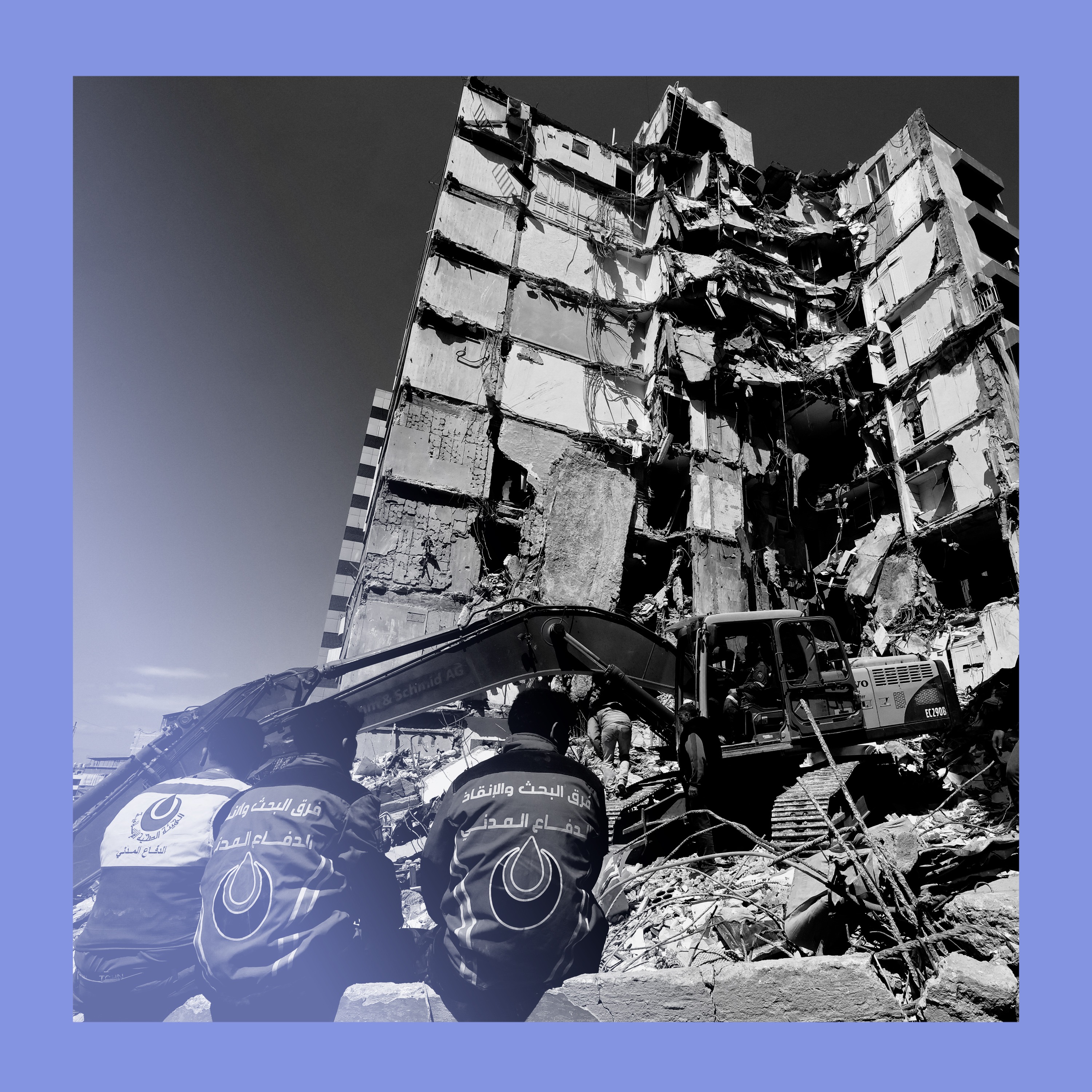
In intense conflicts, short-term ceasefires are frequently a strategic maneuver rather than a genuine move towards peace. While peace talks are publicly highlighted, both sides often use the downtime to rebuild their arsenals and rest their forces, making the truce a tool of war itself.

Agencies like Mossad strategically allow or even promote media about their successful operations (e.g., films like "Munich"). This acts as information warfare, shaping a global perception of their omnipotence. This cultivated mystique serves as a powerful deterrent, even if their true capabilities are more limited.

Israel's traditional public relations approach, which defaults to demonstrating military strength and dismissing criticism, is becoming counterproductive. It fails to build alliances and win the global "PR battle," which is as crucial for long-term survival as military victory.
During military operations, all sides release conflicting stories. The official government version, the enemy's counter-narrative, and online conspiracies are all weapons in an information war, requiring extreme skepticism to discern any semblance of truth.
Before the latest conflict, a viable path existed to confront Hezbollah by investing in and empowering the Lebanese Armed Forces to act. This strategy, which had domestic support within Lebanon, was ignored in favor of an Israeli military operation—a tactic that has historically failed to reduce Hezbollah's long-term power.

Israeli officials are split on handling the Lebanon conflict. Diplomats favor weakening Hezbollah and empowering the Lebanese army, while hard-right politicians and military officials push for a long-term occupation of a 'security zone.' This internal division creates strategic ambiguity and complicates any clear path to resolution.

Hezbollah's involvement in the conflict is not a strategic choice but an obligation to its patron, Iran. This puts the group in a perilous position, as another war with Israel is deeply unpopular in Lebanon and comes when Hezbollah is still weakened from a previous conflict and would prefer to be rebuilding its forces.
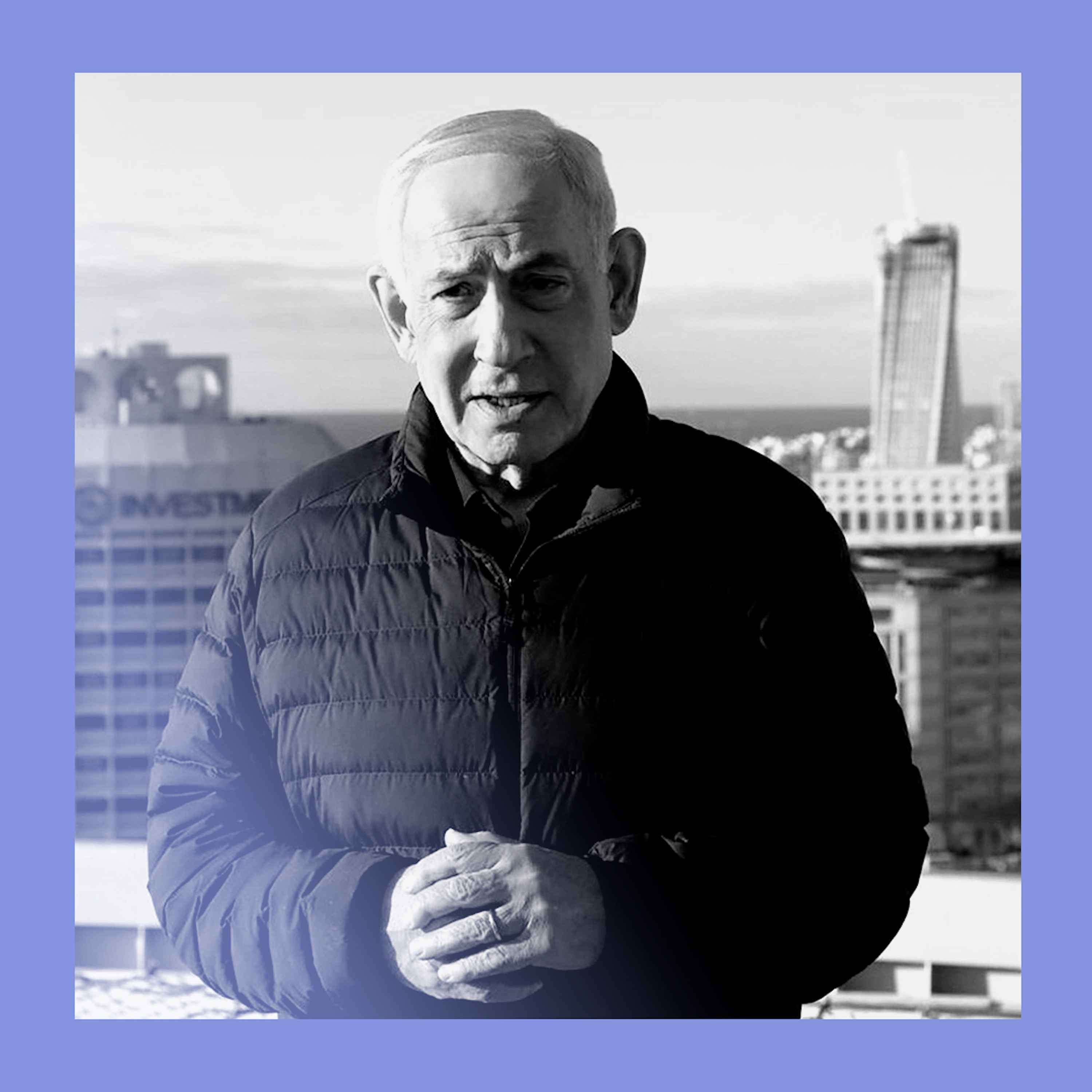
The US-Iran situation highlights that modern conflict involves a constant battle to control perception. Both sides use social media to push conflicting details and frames, making it difficult for the public to ascertain objective truth as any viewpoint can be reinforced online.
Former National Security Advisor Jake Sullivan argues that Israel's refusal to allow foreign journalists into Gaza is a significant problem. It prevents independent verification of claims from combatants on either side of the conflict, creating an information vacuum and setting back the cause of transparency.