Get your free personalized podcast brief
We scan new podcasts and send you the top 5 insights daily.
Reddit offered users a large directed share program to buy stock at the IPO price. However, participation was lower than hoped due to recent negative sentiment from an API policy dispute. The IPO quiet period prevented them from addressing the issue, highlighting a key risk.

Related Insights
Albareo was ready to IPO with strong investor interest in summer 2015, but the market window slammed shut due to external events like the Martin Shkreli scandal. This forced the company into a creative reverse merger, a stark reminder that IPO timing is ultimately dictated by market sentiment beyond a company's control.

Reddit's Average Revenue Per User (ARPU) is significantly lower than its social media peers. While this indicates a failure to capitalize on its massive, engaged user base, it also represents the company's single largest opportunity for future growth if it can successfully close this monetization gap.

For highly-capitalized companies like SpaceX and OpenAI, bankers are designing new IPO structures. Instead of standard 90-180 day lockup periods, they're planning staggered share releases over a longer timeframe to manage immense selling pressure from a large base of private shareholders and prevent post-IPO stock volatility.

The standard VC practice of distributing shares to LPs immediately after a lockup expires can be a multi-billion dollar error. The case of selling Reddit at a $9B valuation, only to see it rise much higher, highlights that VCs may need to evolve into holding public positions longer, challenging the traditional model.

Reddit accepted a valuation haircut for its IPO, pricing shares at $34 versus a previous $61 peak. This strategy creates upward momentum, makes new investors and employees happy, and acts as powerful marketing, despite the initial dilution cost.
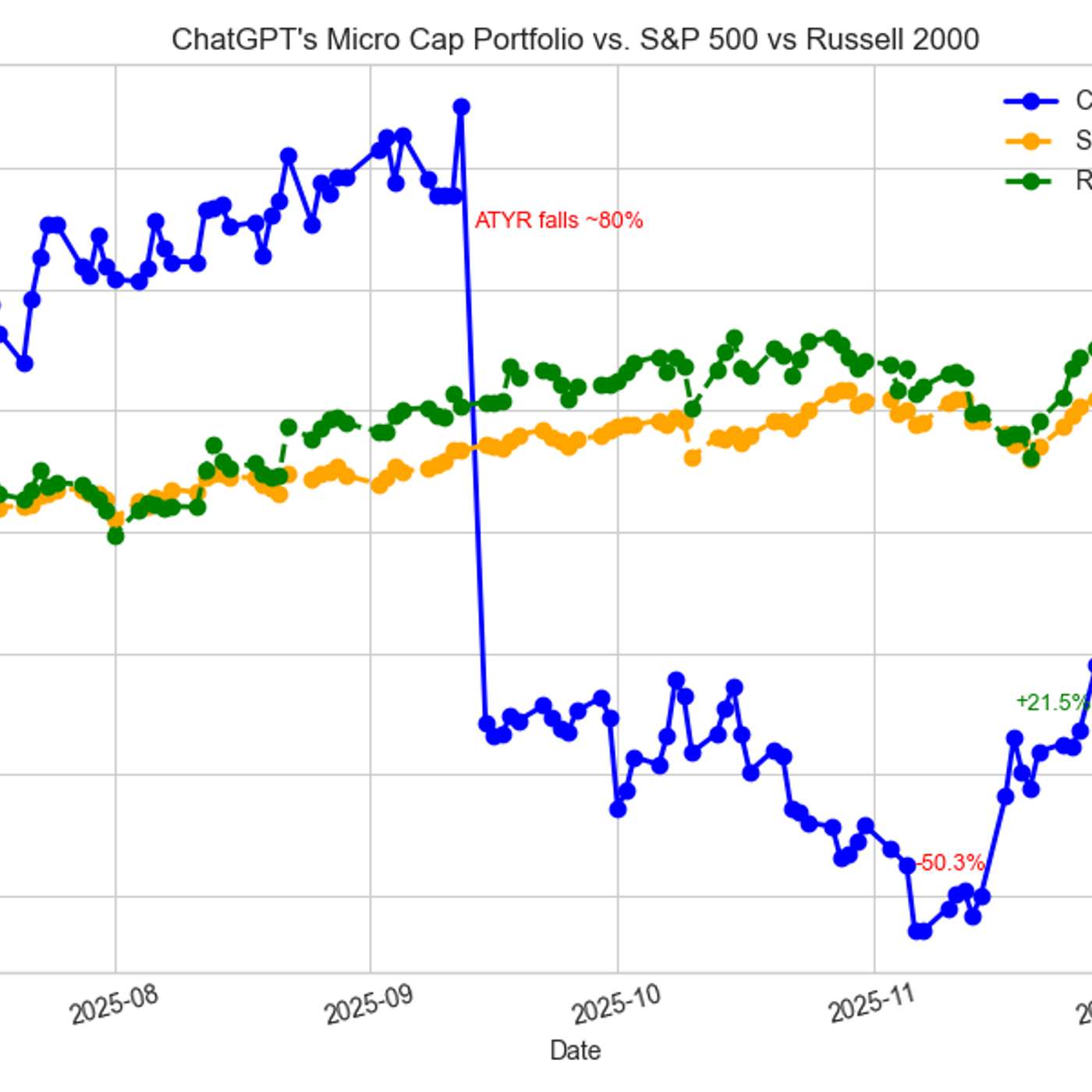
After the initial experiment with a broad set of micro-cap stocks failed, the project is pivoting to a more defined universe: new IPOs from the last five years. This change, based on viewer feedback, aims to better encapsulate a high-risk, high-reward strategy without being a pure "game of chance," indicating a more mature approach to experimental design.
For trillion-dollar private companies like SpaceX going public, the traditional 90-180 day lockup period is inadequate. The massive volume of insider shares hitting the market at once could crash the stock. Investment bankers are now designing staggered lockup releases to manage this unprecedented liquidity event.

While a high IPO valuation seems like a victory, it can be destructive internally. When the stock inevitably corrects, employees experience the drop as a personal loss due to psychological loss aversion, leading to distraction and depression. CEOs should nudge markets toward sane, sustainable valuations.
Companies like SpaceX and OpenAI command massive private valuations partly because access to their shares is scarce. An IPO removes this barrier, making the stock universally available. This loss of scarcity value can lead to a valuation decline, a pattern seen in other assets like crypto when they became easily accessible via ETFs.
Contrary to the traditional focus on institutional investors, allocating a significant portion of an IPO to retail investors creates a loyal shareholder base. This "retail following" can result in higher valuation multiples and sustained brand advocacy, turning customers into long-term owners and a strategic asset.
