Get your free personalized podcast brief
We scan new podcasts and send you the top 5 insights daily.
Maveron's Natalie Dillon met Whatnot's founder early and had a strong thesis on the space, but as a senior associate, she talked herself out of it. She deeply regrets not trusting her instincts and pushing harder internally. This highlights the critical internal barrier of self-doubt that junior investors must overcome to back their conviction.

Related Insights
Instead of just taking meetings for reps, Maveron's Natalie Dillon advises new investors to track which companies they naturally gravitate towards. By reviewing this personal list after six months, they can identify patterns and develop their own authentic investment thesis, which is distinct from simply following their firm's official rubric.

The worst feeling for an investor is not missing a successful deal they didn't understand, but investing against their own judgment in a company that ultimately fails. This emotional cost of violating one's own conviction outweighs the FOMO of passing on a hot deal.

Founders with deep market fit must trust their unique intuition over persuasive, but generic, VC advice. Following the standard playbook leads to cookie-cutter companies, while leaning into the 'weird' things that make your business different is what creates a unique, defensible moat.

In VC, where being wrong is the norm (80%+ of the time), the most critical trait is not righteousness but deep curiosity. This learning-first mindset is what uncovers non-obvious opportunities and allows investors to see future market shifts before they become mainstream, according to True Ventures' Jon Callaghan.
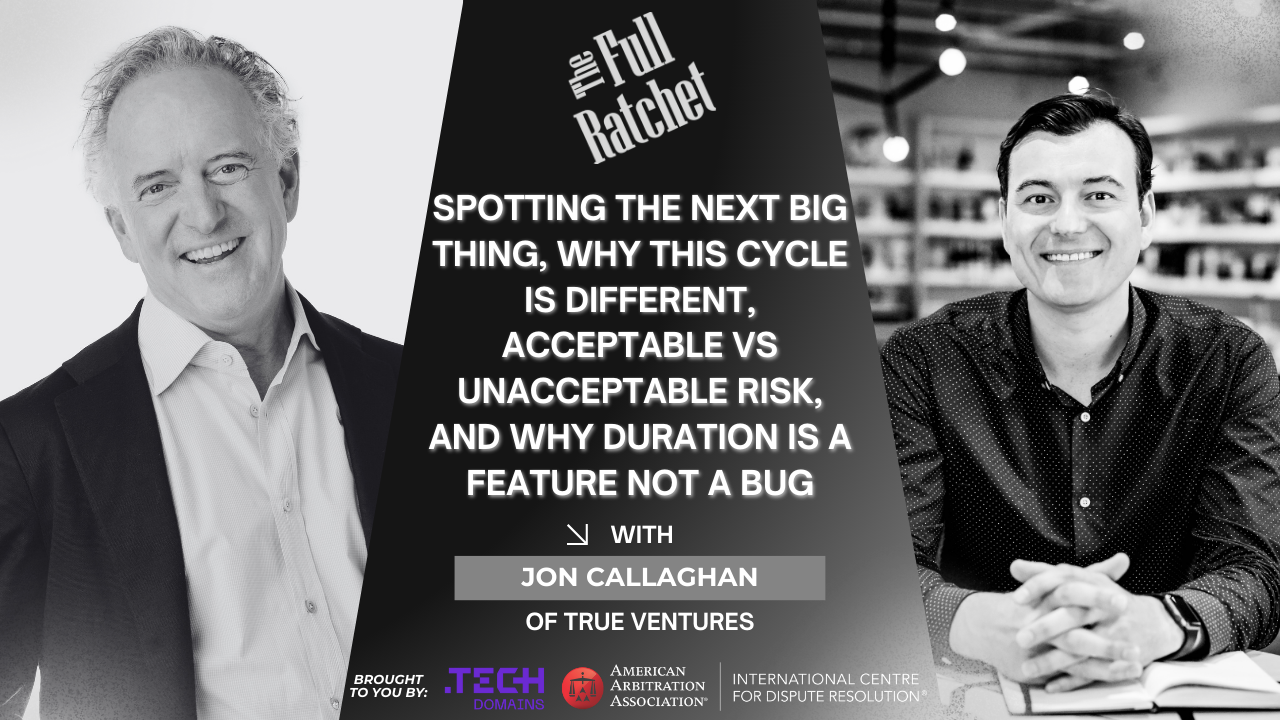
Successful investing requires strong conviction. However, investors must avoid becoming so emotionally attached to their thesis or a company that they ignore or misinterpret clear negative signals. The key is to remain objective and data-driven, even when you believe strongly in an investment.

Generating disproportionate returns requires holding an original, contrarian perspective that the market initially dismisses as "stupid." The ability to persist with a non-consensus belief until it's proven correct is a core, and rare, quality of great investors.

Investors naturally develop 'scar tissue' from past failures, leading to increased cynicism that can prevent them from backing ambitious, non-obvious ideas. The best investors intentionally fight this bias by balancing their experience with a 'beginner's mind.' While pure naivete is dangerous, so is excessive cynicism, and finding the intersection between the two is critical for venture success.
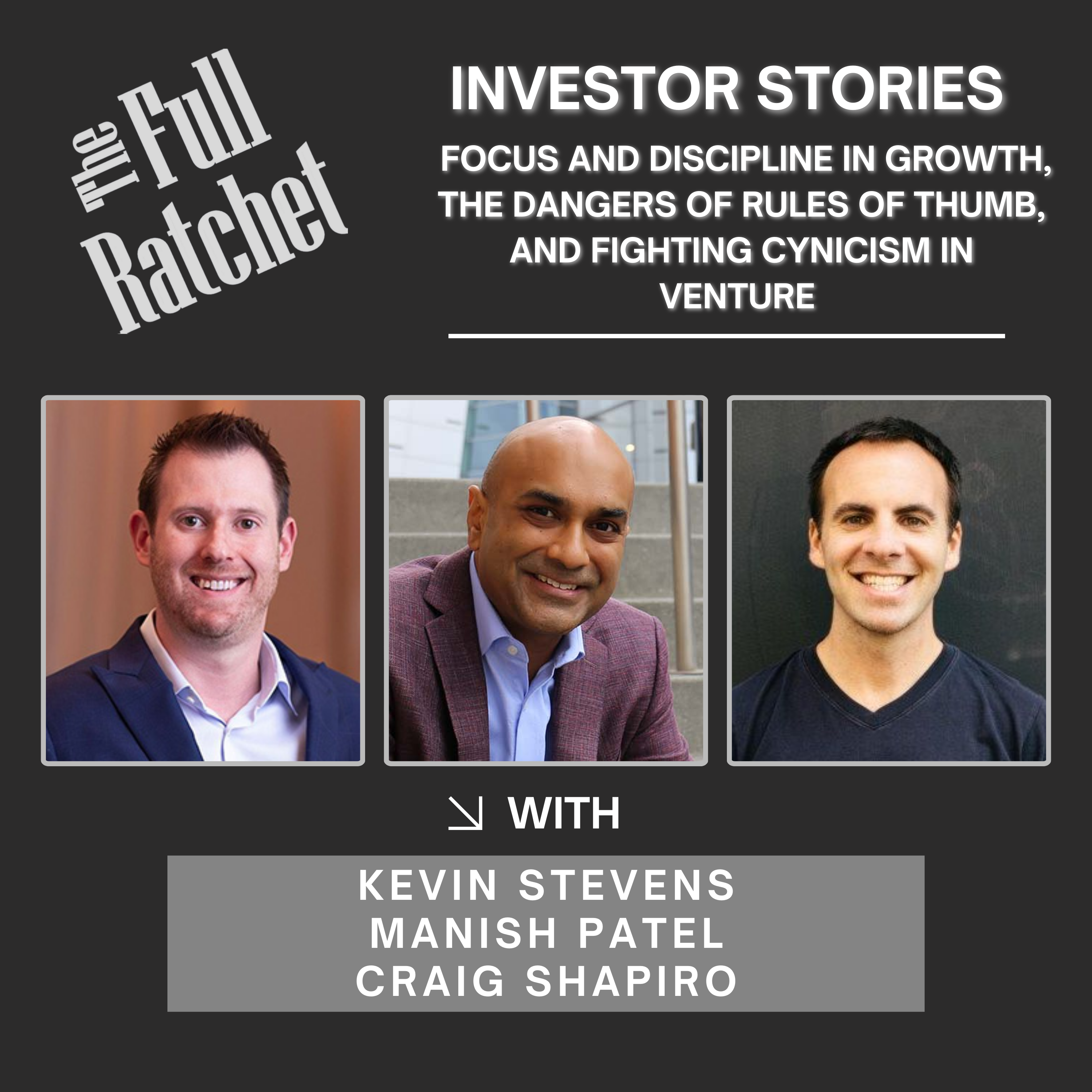
IVP's Samesh Dash observes that young VCs, driven by insecurity, often overcompensate by talking too much and offering premature advice. Maturing as an investor means shifting from talking to active listening, asking fewer but more pointed questions, and understanding a founder's immediate context before offering input.

Junior investors often seek external validation. A better approach is to study successful investors to build a strong internal instinct for what greatness looks like. Once developed, you must trust this instinct and back your non-consensus ideas with confidence, as seeking consensus or borrowing conviction is a critical mistake in venture.

VCs often correctly identify a special founder but then pass due to external factors like competition or perceived market size. Reflecting on missing Scale AI, Benchmark concludes this is a critical error; the person is the signal that should override other concerns.