Get your free personalized podcast brief
We scan new podcasts and send you the top 5 insights daily.
True agency is demonstrated by employees who operate beyond their job description to effect change. They don't wait for permission. Examples include a designer becoming the top recruiter or a PM learning to code prototypes to better communicate their vision.
Related Insights
To cultivate a culture of high agency, frame ultimate responsibility as a privilege, not a burden. By telling new hires 'everything's your fault now,' you immediately set the expectation that they have control and are empowered to solve problems. This approach attracts and retains individuals who see ownership as an opportunity to make an impact.

To accelerate your career, focus on developing 'agency'. This means moving beyond assigned tasks to proactively solve unspoken, systemic problems. Instead of chasing high-visibility projects, look for the unaddressed issues that keep leaders up at night. Solving these demonstrates true ownership and strategic value.
Employees who strictly adhere to their job description are likely to remain in the same role for years. Going above and beyond, such as cleaning a boss's station to simply be in their orbit, builds a reputation and relationships that lead to unexpected opportunities.

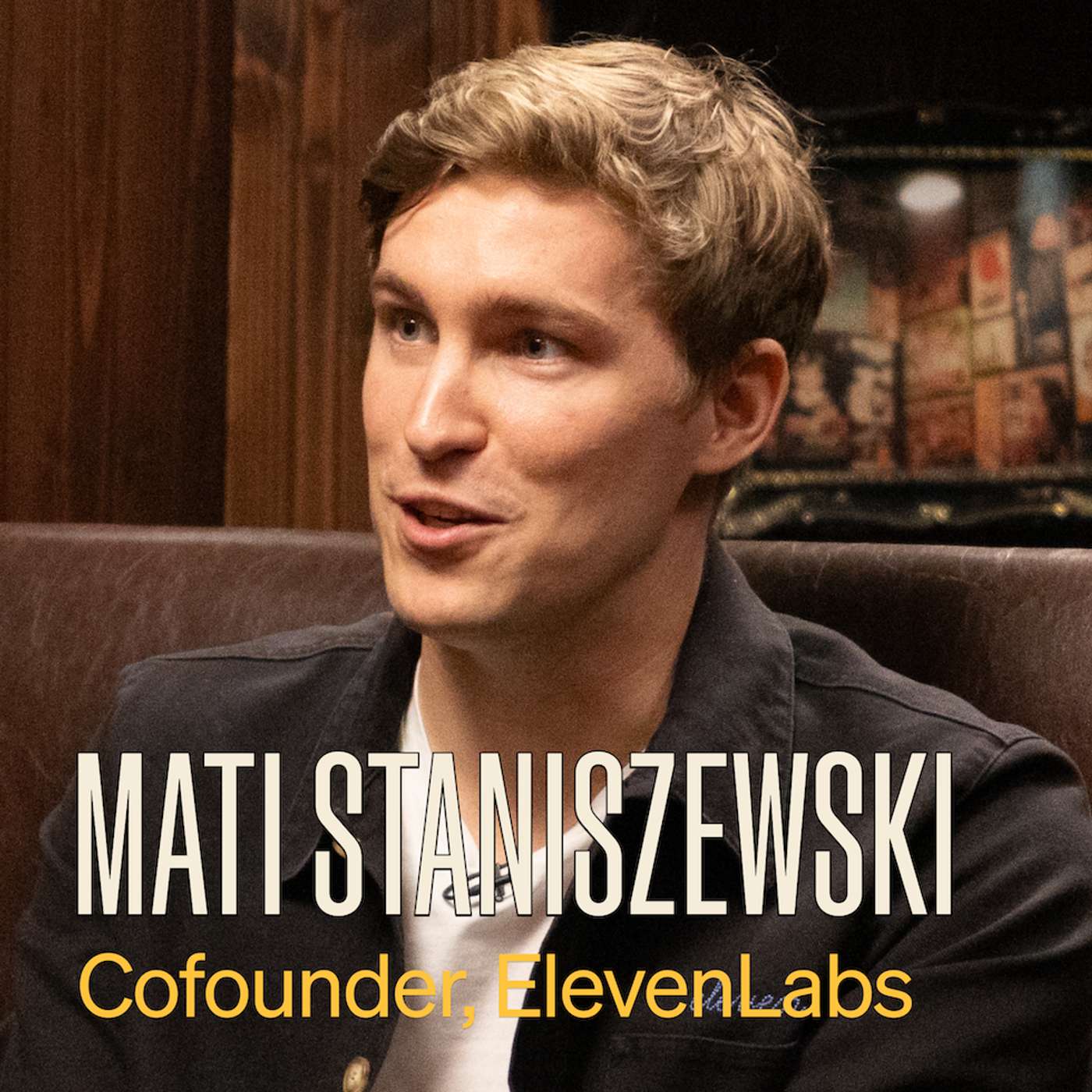
In a world where AI handles routine tasks, the most valuable human contribution is the initiative to solve problems independently. ElevenLabs prioritizes hiring for "agency," seeing it as the ultimate amplifier for an individual's impact, regardless of their seniority. High-agency people are the winners of the AI era.
The most promising hires are often high-agency individuals constrained by their current environment—'caged animals' who need to be unleashed. Look for candidates who could achieve significantly more if not for their team or organization's limitations. This is a powerful signal of untapped potential and resourcefulness.
The ideal early startup employee has an extreme bias for action and high agency. They identify problems and execute solutions without needing approvals, and they aren't afraid to fail. This contrasts sharply with candidates from structured environments like consulting, who are often more calculated and risk-averse.

The individuals driving AI transformation share a specific mindset. They have 'high agency' to proactively build and experiment, combined with 'low tolerance' for inefficient processes. This contrasts with the pre-AI norm of passively accepting mediocre workflows.

Lovable prioritizes hiring individuals with extreme passion, high agency, and autonomy—people for whom the work is a core part of their identity. This focus on intrinsic motivation, verified through paid work trials, allows them to build a team that can thrive in chaos and drive initiatives from start to finish without supervision.

AI agents empower individuals to perform tasks outside their core roles. At OpenAI, designers now write significant code, and PMs build functional prototypes. This blurs the lines between engineering, design, and product, unifying them under the umbrella of being "builders."

To deliver a high-stakes project on a tight deadline, an engineer took on product management responsibilities like defining scope and getting alignment. This ability to resolve ambiguity outside of pure engineering, which he calls the "product hybrid archetype," is a key differentiator for achieving senior-level impact.
