Get your free personalized podcast brief
We scan new podcasts and send you the top 5 insights daily.
To deliver a high-stakes project on a tight deadline, an engineer took on product management responsibilities like defining scope and getting alignment. This ability to resolve ambiguity outside of pure engineering, which he calls the "product hybrid archetype," is a key differentiator for achieving senior-level impact.

Related Insights
Instead of a traditional product roadmap, give engineers ownership of a broad "problem space." This high-agency model pushes them to get "forward deployed" with customers, uncover real needs, and build solutions directly. This ensures product development is tied to actual pain points and fosters a strong sense of ownership.

Engineering often defaults to a 'project mindset,' focusing on churning out features and measuring velocity. True alignment with product requires a 'product mindset,' which prioritizes understanding the customer and tracking the value being delivered, not just the output.
The core job of a Product Manager is not writing specs or talking to press; it's a leadership role. Success means getting a product to market that wins. This requires influencing engineering, marketing, and sales without any formal authority, making it the ultimate training ground for real leadership.

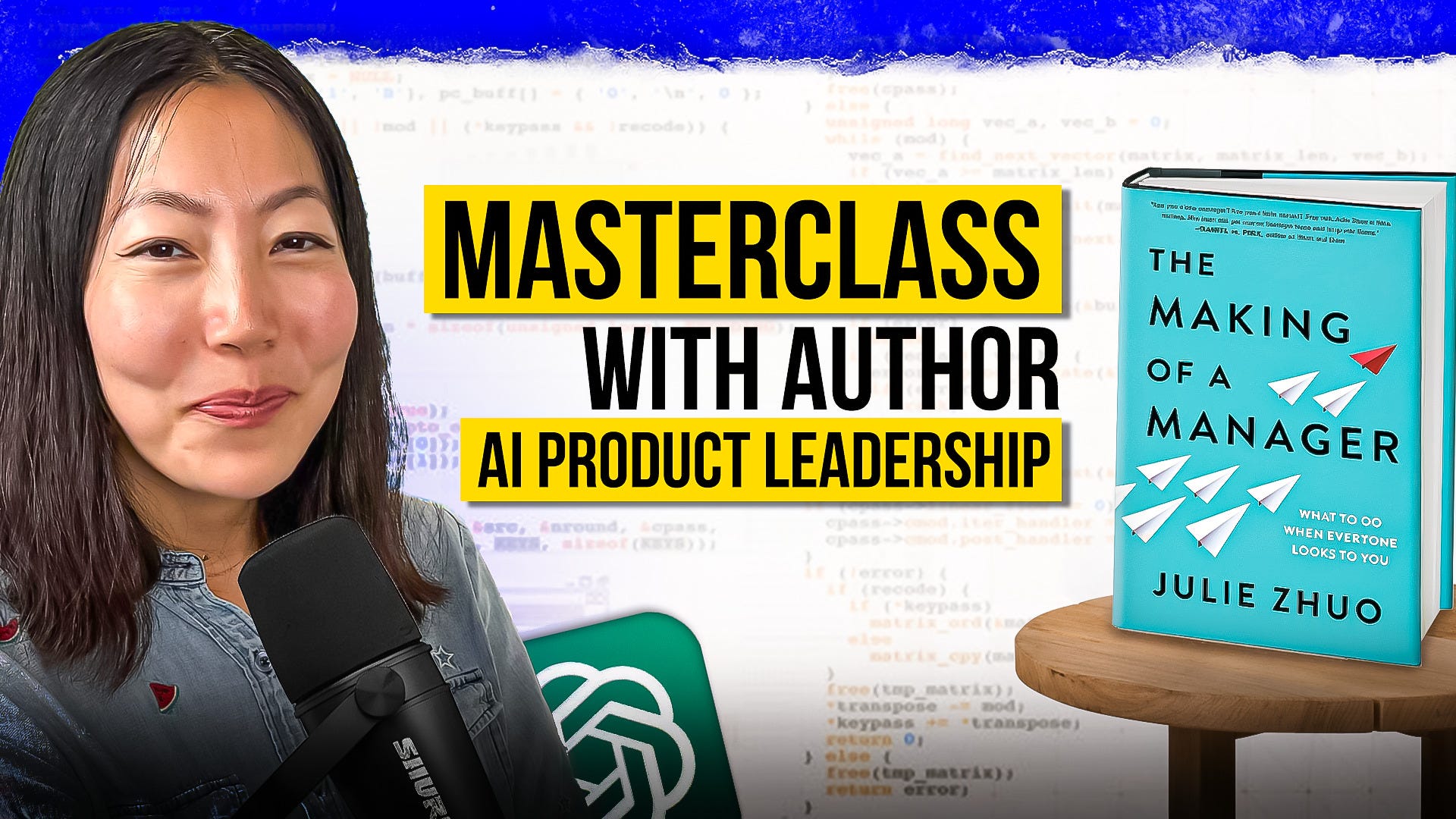
Sundial founder Julie Zhu intentionally avoids hiring product managers. This constraint forces engineers to take full ownership of the product definition and user value, preventing them from delegating critical product thinking and developing a stronger sense of customer empathy.

To move from engineering to product, don't just ask for the role. Proactively demonstrate PM skills by systemizing learnings from customer interactions. Starting an internal 'customer insight newsletter' based on your debugging work proves your value and builds an undeniable case for the transition.

Building your own product forces you to confront technical realities like database migrations and architectural trade-offs. This firsthand experience provides deep empathy for engineering challenges, which in turn builds crucial credibility and improves collaboration with development teams.

To get product management buy-in for technical initiatives like refactoring or scaling, engineering leadership is responsible for translating the work into clear business or customer value. Instead of just stating the technical need, explain how it enables faster feature development or access to a larger customer base.
Beyond speaking the same language as developers, an engineering background provides three critical PM skills: understanding architectural trade-offs to build trust, applying systems thinking to break down complex problems into achievable parts, and using root-cause analysis to look beyond user symptoms.
The pivot from a pure technology role (like CTO) to product leadership is driven by a passion shift. It's moving from being obsessed with technical optimization (e.g., reducing server costs) to being obsessed with customer problems. The reward becomes seeing a customer's delight in a solved problem, which fuels a desire to focus entirely on that part of the business.

AI's rise means traditional product roles are merging. Instead of identifying as a PM or designer, focus on your core skills (e.g., visual aesthetics, systems thinking) and use AI to fill gaps. This 'builder' mindset, focused on creating end-to-end, is key for future relevance.