Get your free personalized podcast brief
We scan new podcasts and send you the top 5 insights daily.
To close the gap between development and user experience, redirect the in-app support channel to your personal social media DMs. This creates a high-volume, unfiltered firehose of feedback, ensuring you deeply understand user pains, bugs, and feature requests.

Related Insights
Instacart's co-founder routed all early customer support calls to his personal phone. This forced him to personally experience every service failure, which then directly informed the product roadmap. It created a tight feedback loop between customer pain and product development.

When a customer opens a support case, all marketing pretense vanishes. They are frustrated, something is broken, and they need a real solution. This "moment of truth" is where most systems fail due to chaos and complexity, presenting a prime opportunity for AI to streamline and improve the experience.

Asking "What did you think?" often leads to polite but unhelpful responses. By reframing the question to "What can we do better?", you explicitly invite constructive criticism, signaling an openness to improvement and making customers more comfortable sharing honest, valuable feedback.

When facing a significant customer service issue with a brand you care about, bypass standard channels and email the founder or CEO. Frame your feedback constructively. High-level leaders are often disconnected from front-line issues and appreciate direct, actionable feedback, leading to white-glove service and a faster, more favorable resolution.

True product intuition isn't just from standard discovery calls. It's forged by directly engaging with customers' most urgent problems on escalation calls. This unfiltered feedback provides conviction and data-backed confidence for decision-making.

Instead of just pushing information, structure event-triggered emails (e.g., after a feature is enabled) to be a two-way communication channel. The first touchpoint should welcome the user, offer resources, and explicitly ask for feedback, creating a valuable loop for product and marketing teams.

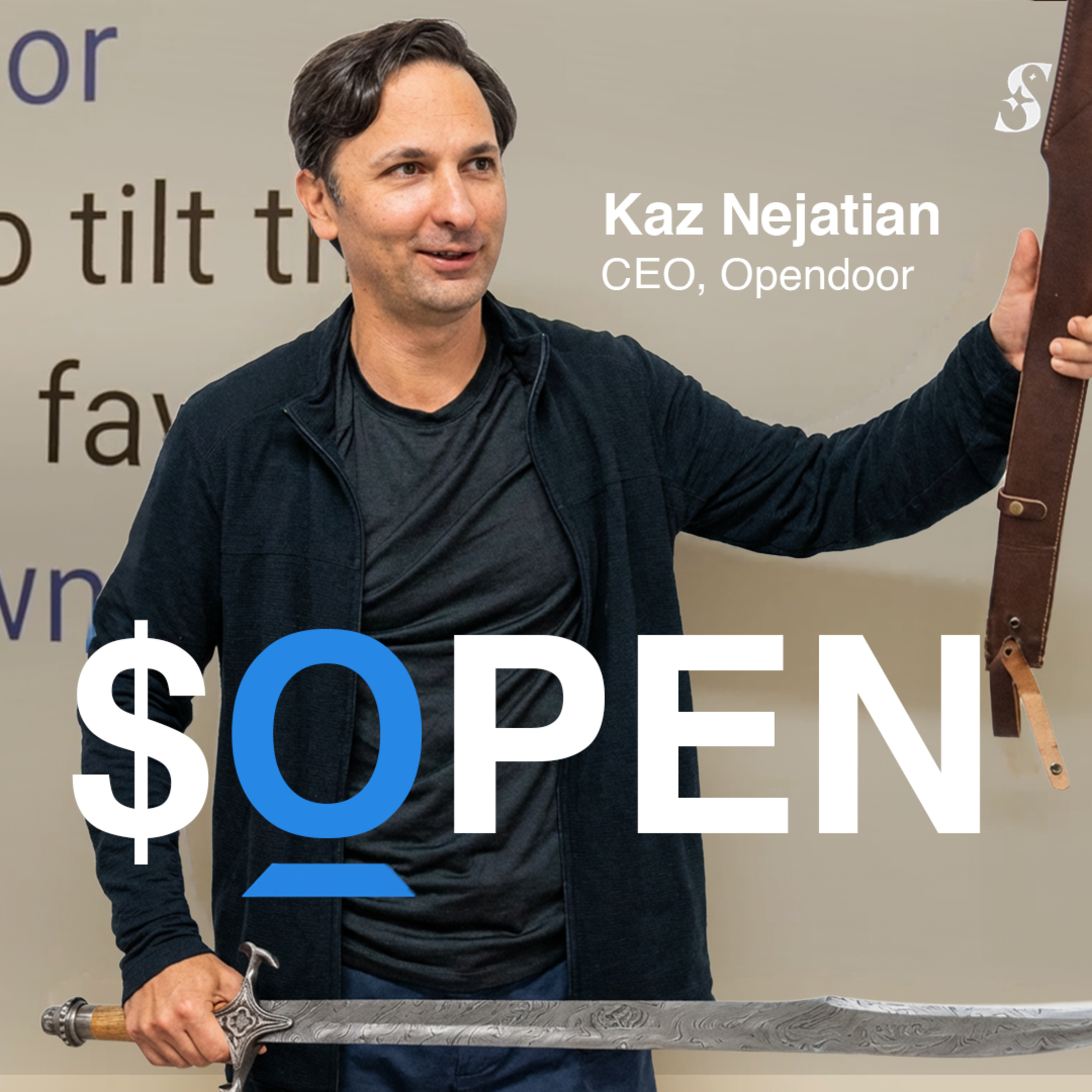
For its new mortgage product beta, Opendoor's CEO will personally handle customer support by having the official support line route directly to his cell phone. This ensures unfiltered, immediate feedback from the earliest customers reaches the highest level of leadership.
When gathering direct customer feedback, it's easy to over-anchor on a single negative comment. Founders must implement a disciplined process to collect all feedback and analyze it for recurring themes. This prevents making reactive changes based on one-off opinions versus addressing true patterns.

Aravind Srinivas maintains a close connection to his users by personally using Perplexity for at least 10 queries a day and actively participating in customer support. He believes this is essential for a CEO to truly understand user frustrations and make sound product decisions.

Don't view customer escalations as a nuisance; they are a valuable gift. Each one provides a critical opportunity to find and fix not just a specific bug, but the underlying process failure that allowed it to happen. Leaders should actively encourage customers to escalate issues directly to them.