Get your free personalized podcast brief
We scan new podcasts and send you the top 5 insights daily.
Instacart's co-founder routed all early customer support calls to his personal phone. This forced him to personally experience every service failure, which then directly informed the product roadmap. It created a tight feedback loop between customer pain and product development.

Related Insights
To build a complex real-world business, the founding team did every job themselves. This hands-on experience provided critical insights that algorithms or data analysis alone could never uncover, such as knowing not to assign a driver if food isn't ready.

Embed engineers directly with customers to hear feedback and ship solutions, often on the same day. This radical structure eliminates layers of communication (Product Managers, Customer Success) and scales the 'founder energy' of talking to users and immediately building what they need.
Your first customers require obsessive, daily interaction to ensure the product works for them. Astronomer's founder spoke with their first managed Airflow customer four times a day for two months. This grueling process is essential for ironing out roadblocks and achieving product-market fit.

The founders of billion-dollar companies like Wealthsimple and GoBolt demonstrated an insane level of focus on customer contact. This included calling every free user within 30 seconds and personally answering the 24/7 support line. This unscalable behavior generates deep customer understanding and powerful word-of-mouth.

True product intuition isn't just from standard discovery calls. It's forged by directly engaging with customers' most urgent problems on escalation calls. This unfiltered feedback provides conviction and data-backed confidence for decision-making.

The strongest companies are built by founders who have personally and painfully experienced the problem they're solving. This visceral understanding is non-negotiable. Without it, founders can't know what to build or how to achieve third-party validation, wasting immense time and resources.

Instead of searching for a market to serve, founders should solve a problem they personally experience. This "bottom-up" approach guarantees product-market fit for at least one person—the founder—providing a solid foundation to build upon and avoiding the common failure of abstract, top-down market analysis.

To identify hidden friction points, directly experience your product or service as a customer would. This is exemplified by a Nashville sheriff who slept in a jail cell to test heating complaints. This firsthand experience is the most effective way to build empathy and uncover issues.

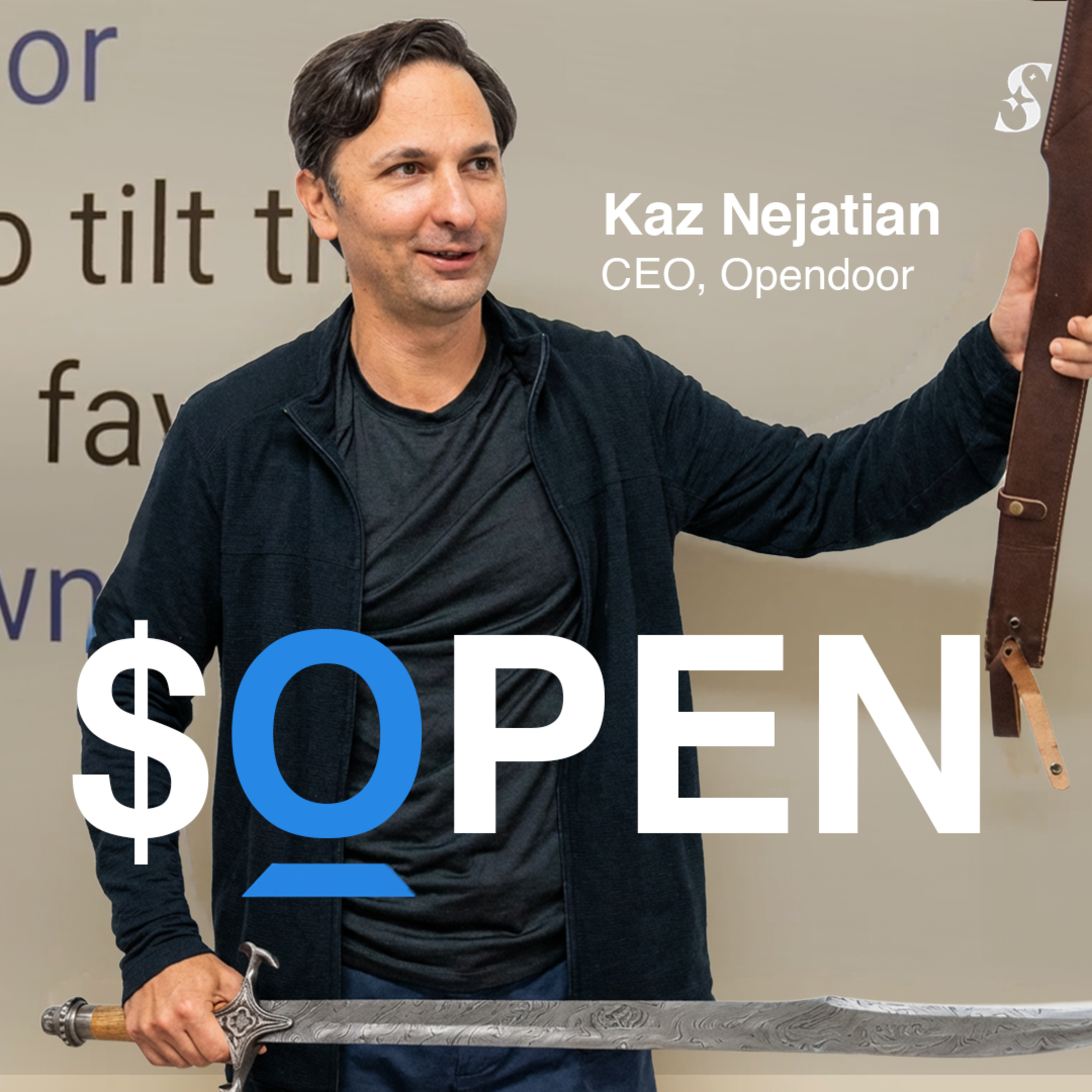
For its new mortgage product beta, Opendoor's CEO will personally handle customer support by having the official support line route directly to his cell phone. This ensures unfiltered, immediate feedback from the earliest customers reaches the highest level of leadership.
Aravind Srinivas maintains a close connection to his users by personally using Perplexity for at least 10 queries a day and actively participating in customer support. He believes this is essential for a CEO to truly understand user frustrations and make sound product decisions.
