Get your free personalized podcast brief
We scan new podcasts and send you the top 5 insights daily.
Robert Russo says Alberta feels like the rich, unwanted stepchild of Canada. It holds more oil than anywhere in North America, but separatists resent a distant Liberal government they see as hostile to development. Unlike Quebec, their grievance is wealth and a desire for frontier capitalism.
Related Insights
Despite narratives about religion or ideology, the core of many international conflicts is economic control over critical resources like oil. A nation's reaction to attacks on its oil infrastructure versus its leaders reveals the true economic nature of the fight.

The problem in places like Appalachia wasn't the coal itself, but the local population's lack of knowledge to negotiate deals that would build domestic industry and infrastructure, allowing wealth to be extracted without any lasting local benefit.

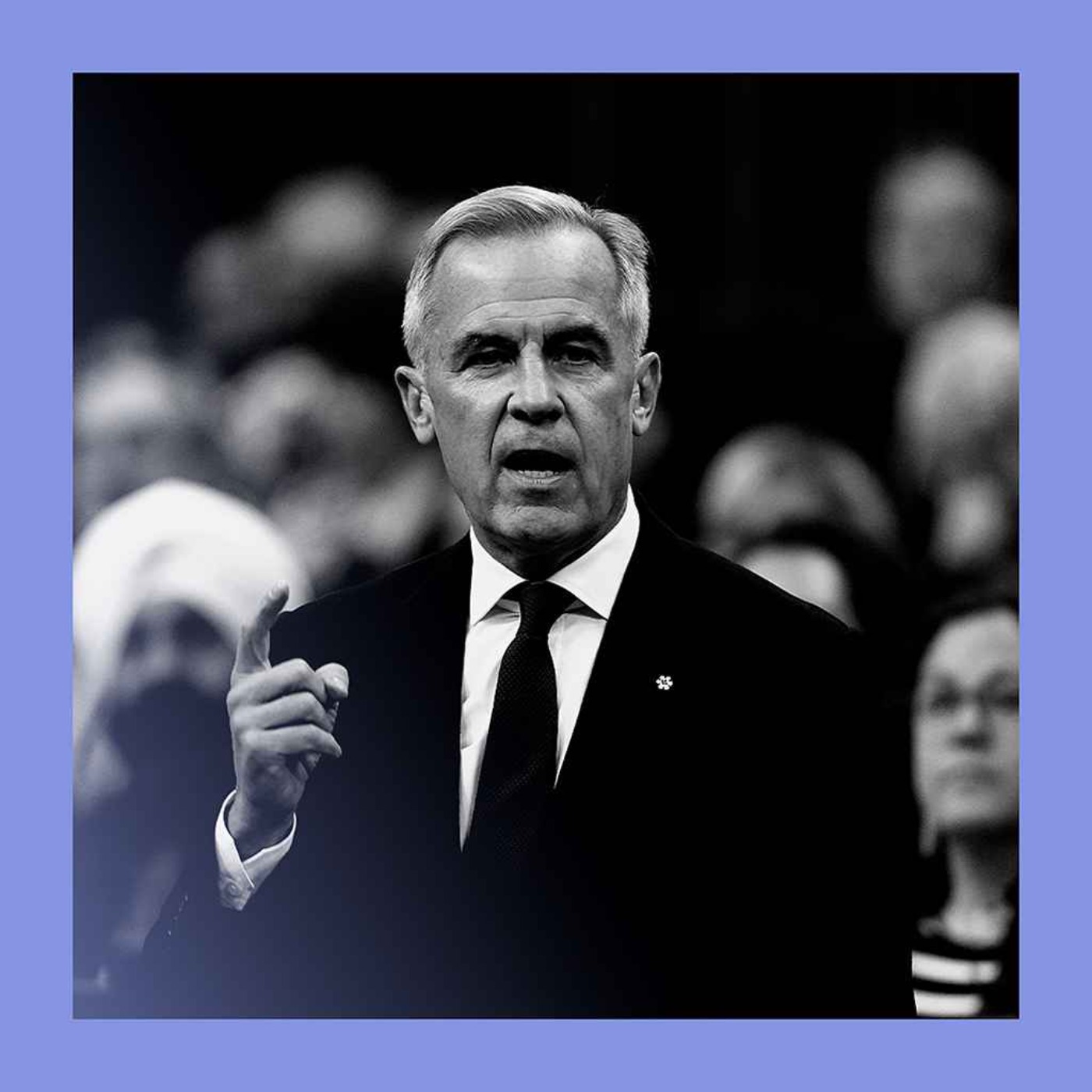
Russo says Carney launched the Building Canada Act to fast-track infrastructure. Once projects receive federal blessing, they have just a year before approval, versus a process that can sometimes take a decade. Carney wants to show Alberta separatists that Canada can still build pipelines and ports.
Canada's economy is stagnating because its leaders are pursuing a globalist, financialization strategy that has already proven detrimental in the US and Europe. While the US pivots to a more protectionist 'Hamiltonian' model to rebuild its manufacturing base, Canada's adherence to an outdated playbook is causing its relative decline.
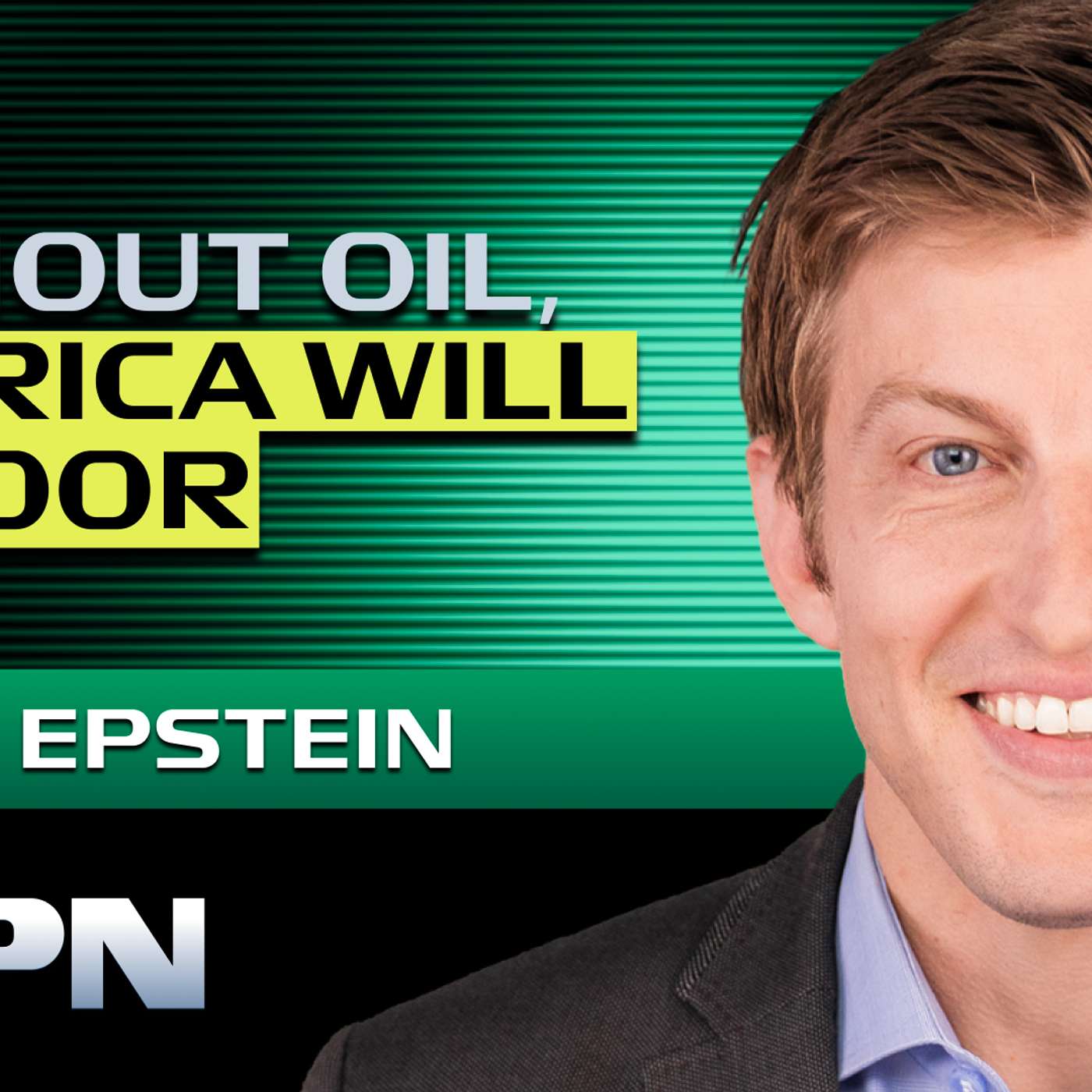
Energy expert Alex Epstein argues the U.S. is "sleeping on Canada" as an energy partner. Canada has vast, untapped oil sands, uranium, and other resources with a friendly government. Strengthening this partnership is a huge, neglected opportunity for North American energy independence.

Canada's vast natural resources, particularly oil, are a strategic asset that should be used as leverage in negotiations with the United States. This approach can secure tariff-free trade and counter an increasingly isolationist American foreign policy by highlighting mutual dependency and strategic importance.

While the US considers unstable nations like Venezuela for oil, it neglects Canada—a friendly neighbor with vast, untapped oil sands and other resources. A US-Canada energy task force could quickly boost supply via rail, offering a more reliable solution than politically fraught alternatives.
Russo notes only about 30% of Quebecers support independence. The newly elected Parti Québécois government must therefore manufacture consent, he says, by picking fights with Ottawa designed to raise the ire of slumbering separatist supporters. Language, culture, civil law and immigration fears drive the movement, not resource wealth.
A faction of wealthy donors is encouraging the revival of American territorial expansion. Their primary motive is to bypass environmental regulations in places like Greenland and Canada to loot natural resources, framing this as a new form of empire-building for personal enrichment.

In response to unpredictable US tariffs, Canada is fast-tracking infrastructure projects, like new pipelines to its west coast. This strategic shift aims to reduce its heavy reliance on the US market (where 90% of its oil was sent) and open up direct access to Asian and European buyers.
