Get your free personalized podcast brief
We scan new podcasts and send you the top 5 insights daily.
Canada's economy is stagnating because its leaders are pursuing a globalist, financialization strategy that has already proven detrimental in the US and Europe. While the US pivots to a more protectionist 'Hamiltonian' model to rebuild its manufacturing base, Canada's adherence to an outdated playbook is causing its relative decline.

Related Insights
The post-1980s neoliberal consensus of small government and free trade is being replaced by a mercantilist approach. Governments, particularly the U.S., now actively intervene to protect domestic industries and secure geopolitical strength, treating trade as a zero-sum game. This represents a fundamental economic shift for investors.

Amidst a decade-long economic decline, Canada's decision to match US tariffs is an emotionally satisfying but economically suicidal policy. A weaker nation picking a fight with its largest trading partner prioritizes political posturing over the financial well-being of its own citizens.
By walking away from a crucial trade deal with the US—which accounts for 78% of its exports—Canada is committing economic suicide. The move, driven by national pride and a pivot toward China, ignores its massive economic dependency and will hurt Canada far more than the US.
Canada's recent strong GDP and jobs reports are misleading. A deeper look reveals GDP growth was driven by net exports while domestic consumption fell. Likewise, the job gains were exclusively part-time, with full-time employment declining, signaling a fragile underlying economy.

The Western belief that free trade would cause authoritarian states like China to liberalize has proven false. Instead, this policy created a powerful manufacturing competitor whose interests diverge from the West's. The current era of deglobalization is an unwinding of this flawed foundational premise of the post-war order.

Canada's long-term economic strategy is built on the belief that the era of increasing integration with the US is permanently over. The leadership anticipates that future American politicians will find it difficult to remove trade barriers, necessitating a fundamental, long-term pivot for Canada's economy away from US dependency.
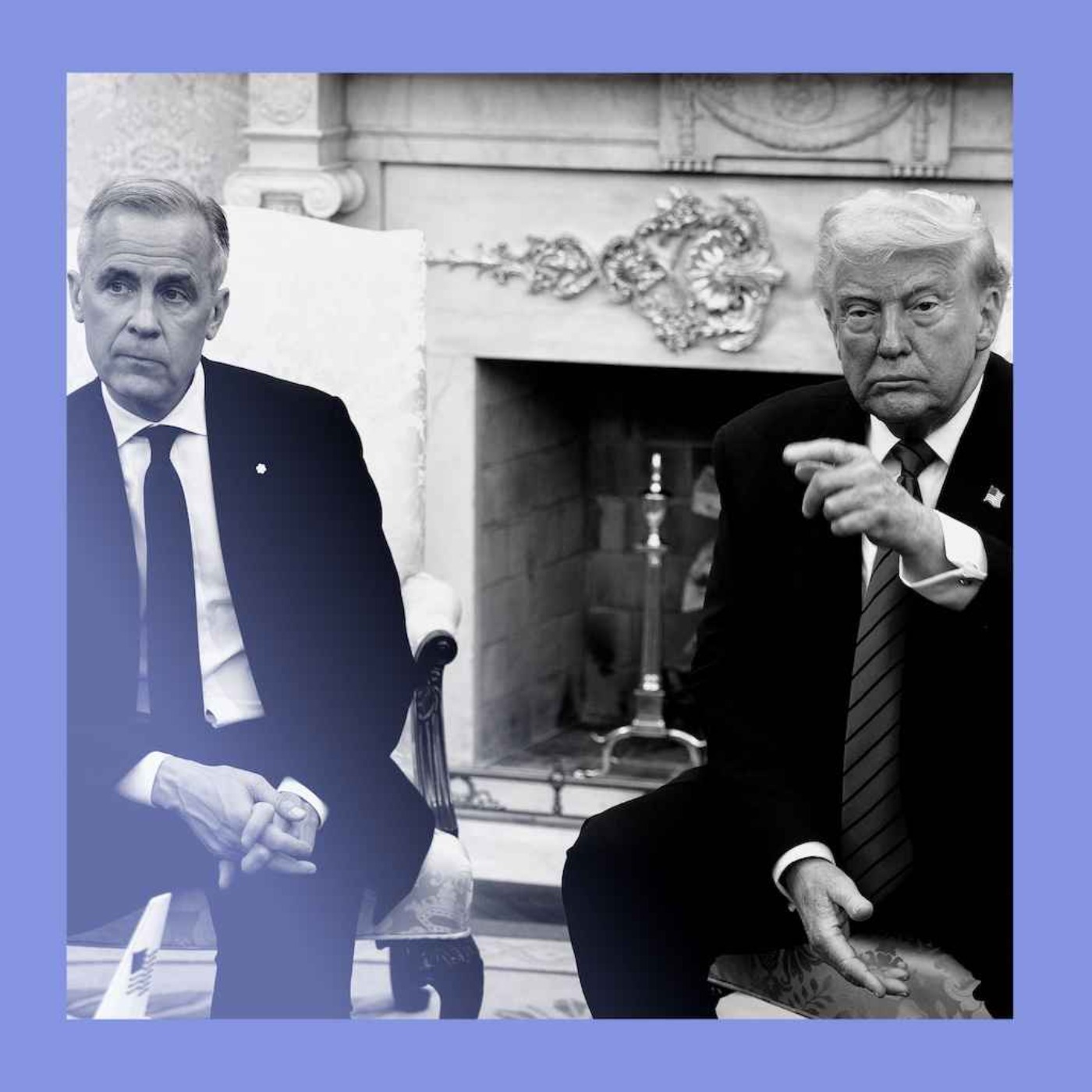
Canada's defiant trade stance is strategically foolish. A wiser approach would be to emulate China's early playbook: play the supplicant while weak. By patiently absorbing expertise and building economic strength, a nation can position itself to make demands later from a position of power.
Both Trump and Biden administrations are abandoning 40 years of neoliberal free trade for "Hamiltonian" policies—high tariffs and industrial protectionism. This signals a structural, not political, change in the US economy, driven by national security concerns and considered permanent.

Trump administration figures like Besant and Greer are openly referencing a move to a "Hamiltonian" model. This involves high tariffs to protect domestic industry and a neutral reserve asset, likely gold, to settle international trade. This represents a historic departure from the post-WWII dollar-centric system.

Globalism was highly successful, lifting millions from poverty. Its failure wasn't the concept itself, but the lack of strategic boundaries. By allowing critical supply chains (like microchips and steel) to move offshore for cost savings, nations sacrificed sovereignty and created vulnerabilities that are now causing a predictable backlash.
