Get your free personalized podcast brief
We scan new podcasts and send you the top 5 insights daily.
Traditional defense contractors use a "cost-plus" model, earning a percentage of total costs, which incentivizes inefficiency. Anduril sells products at a fixed price, aligning its success with saving the government and taxpayers money.

Related Insights
Defense tech startup Anduril is disrupting incumbents not with untested technology, but with a novel business model. It uses VC funds to build manufacturing capacity *before* winning large contracts and sources commercial parts to reduce cost and supply chain risk, effectively prioritizing execution over pure tech risk.

Navy CTO Justin Fanelli advises founders to stop asking to be paid for their time and instead price their solutions based on the outcomes and value they deliver. This aligns incentives with the government buyer, rewards impact over effort, and demonstrates a modern, software-defined mindset.

To combat inefficiency, the Pentagon is moving away from paying contractors for time and materials ('cost-plus'). The new model emphasizes business-oriented, fixed-price contracts where companies are paid upon successful, on-time delivery of a working product, introducing more risk and profit incentive for vendors.

A new category of agile tech companies is winning major defense contracts by offering cheaper, software-driven, and nimbler solutions like drones and AI, directly challenging established giants like Lockheed Martin.
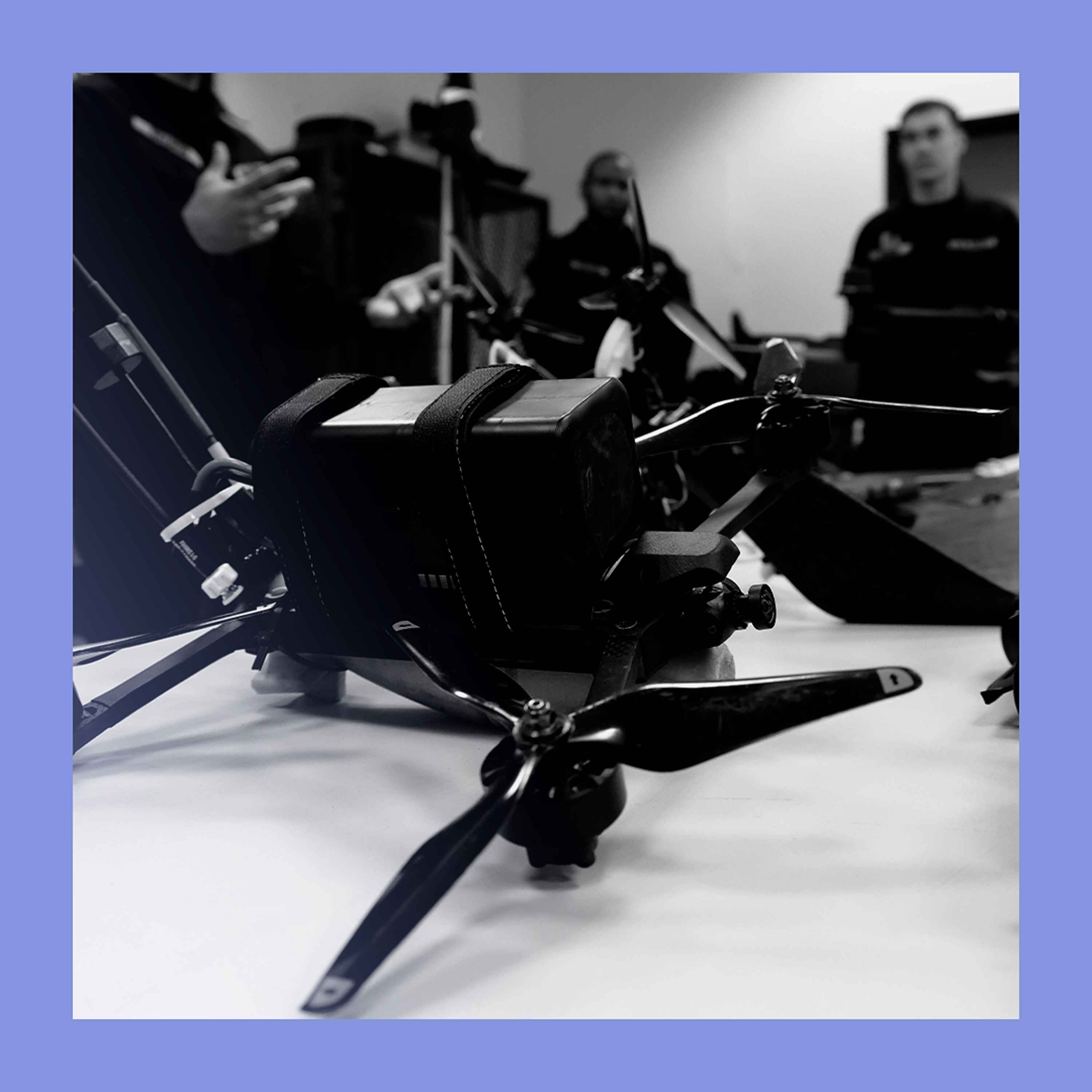
Unlike traditional contractors paid for hours, Anduril invests its own capital to build products it believes the government needs. This model incentivizes speed and effectiveness, as profit is tied to successful products, not billable hours. This shifts the financial risk from the taxpayer to the company.
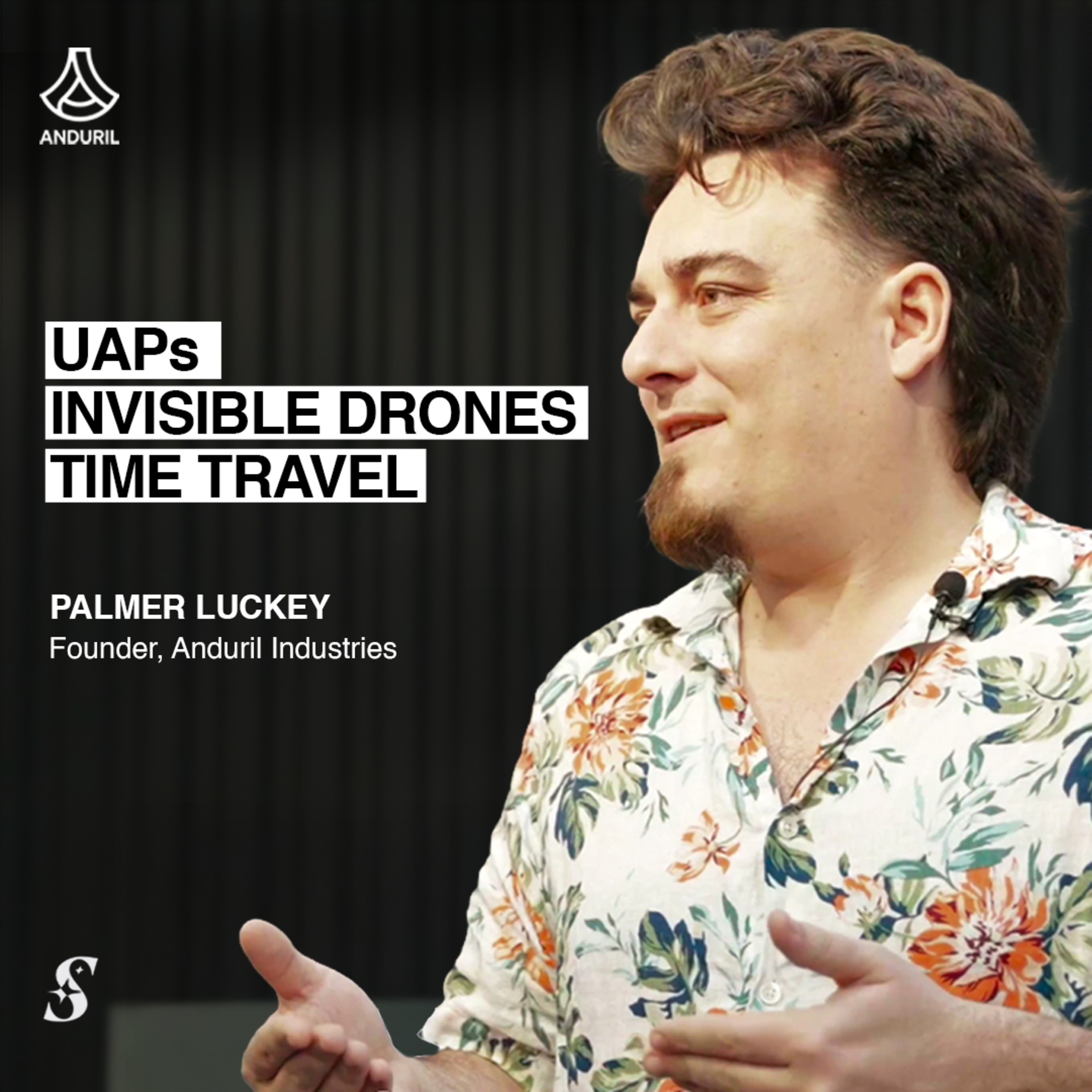
Legacy defense contractors on "cost-plus" models are incentivized to increase costs to boost profits. This is the opposite of the startup model, which must innovate to deliver superior products faster and cheaper to gain market share, injecting much-needed competition into the sector.

Unlike traditional contractors paid for time and materials, Anduril invests its own capital to develop products first. This 'defense product company' model aligns incentives with the government's need for speed and effectiveness, as profits are tied to rapid, successful delivery, not prolonged development cycles.

Anduril advocates for performance-based contracts, a controversial model in government where payment is contingent on the product working. This forces internal accountability and aligns their interests with the customer's, contrasting with traditional cost-plus models that place all risk on the government.
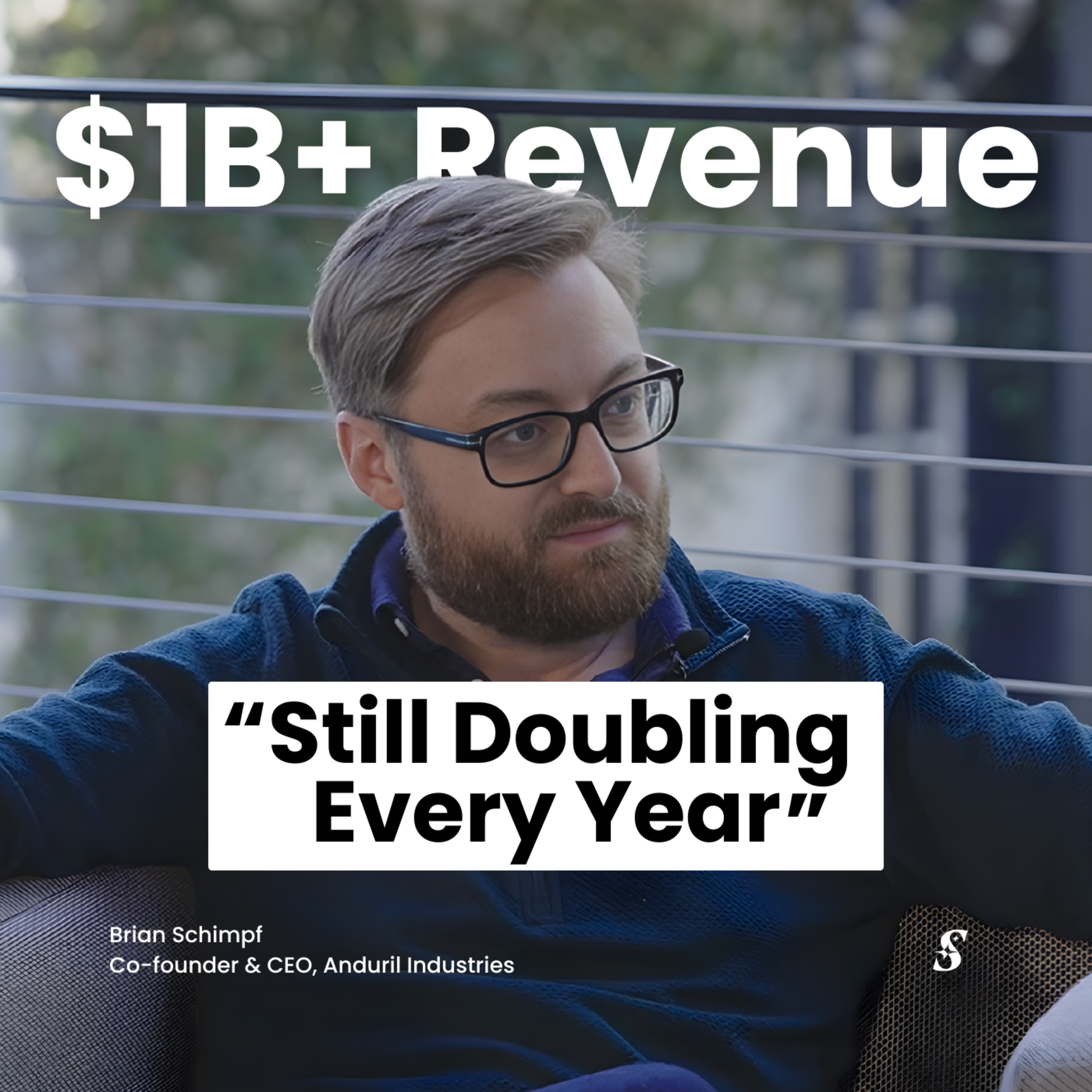
From their first pitch deck, Anduril's value proposition was economic efficiency. They didn't pitch just superior technology, but a business model that would generate massive revenue by replacing overpriced, inefficient legacy systems—a bold claim they have largely fulfilled.

The standard "cost-plus" model guarantees contractors a profit margin on top of their expenses. This creates a perverse incentive to maximize costs and timelines, as 10% of a $3 billion project is far more lucrative than 10% of a $150 million one.