Get your free personalized podcast brief
We scan new podcasts and send you the top 5 insights daily.
The crash following a glucose spike activates the brain's craving center. This is a physiological command, not a lack of willpower. Stabilizing glucose levels eliminates the biological trigger for intense cravings, making them naturally disappear.

Related Insights
When training for a mental sport like chess, the foundational step is stabilizing energy by managing glucose metabolism, perhaps via intermittent fasting. Many athletes jump to "smart drugs" and stimulants, but this is ineffective if the underlying energy system is volatile and prone to crashes.

Even if you're not hungry in the morning, eating a substantial breakfast with protein and carbohydrates sets your metabolic tone for the day. This practice stabilizes blood sugar, preventing the crashes that lead to mid-day and evening cravings.

Your food cravings may not be entirely your own. Harmful gut microbes can release compounds that chemically increase your desire for the ultra-processed, high-sugar foods they feed on, effectively sabotaging your health goals from within.
Shopping decisions are often a battle between brain systems. The primal limbic system, governing emotion, reacts instantly to sensory cues like a sugary display. This happens long before the rational cerebral cortex can process thoughts like 'budget' or 'health,' explaining why willpower often fails against our own biology in the aisles.

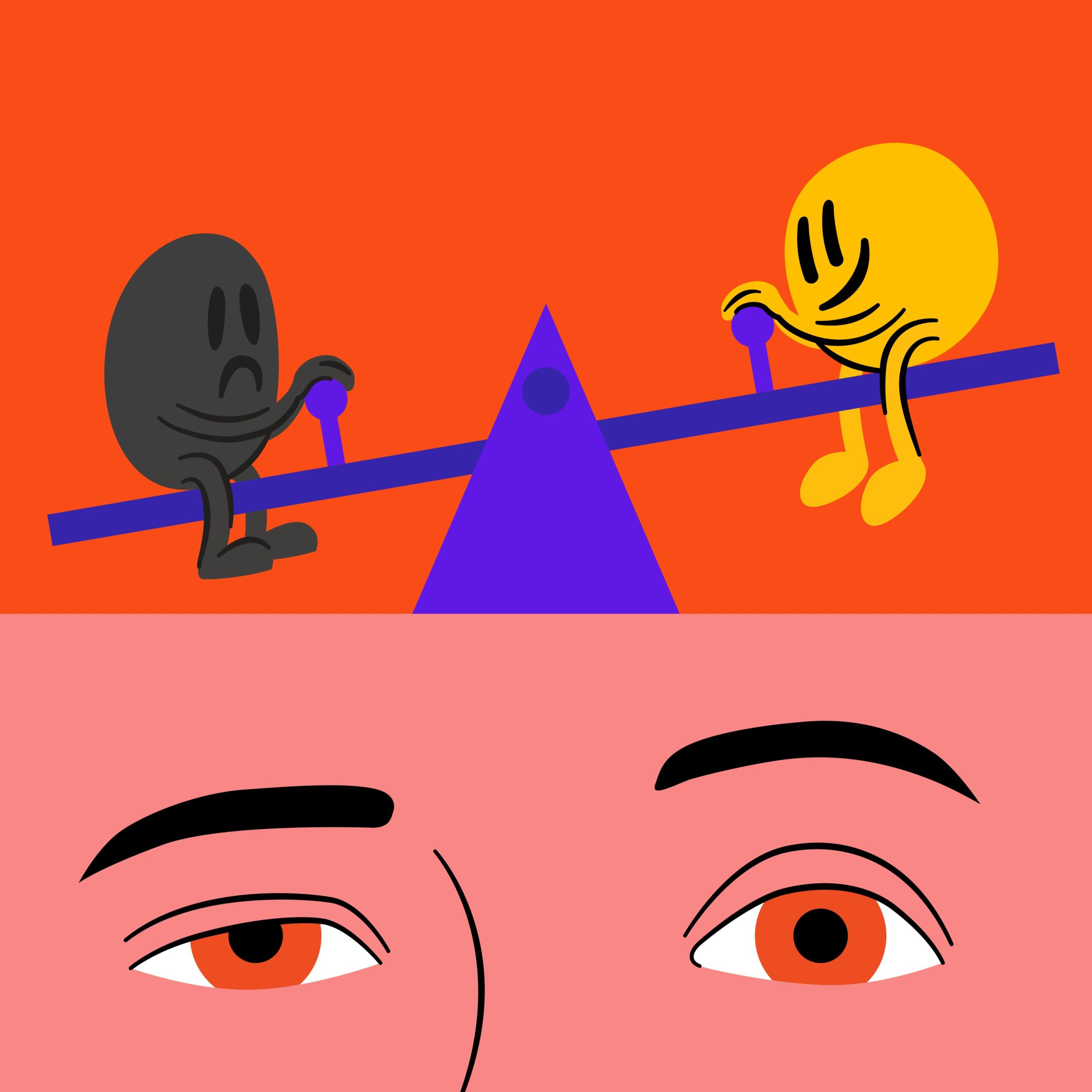
Neuroscience shows pleasure and pain are co-located in the brain and work like a seesaw. When we experience pleasure, the brain immediately compensates by tilting towards pain to restore balance. This neurological 'come down' is why constant pleasure-seeking eventually leads to a state of chronic pain and craving.
Instead of medicating or ignoring symptoms like fatigue or mood swings, view them as your body's way of signaling an underlying issue. By treating symptoms as messages, you can focus on the root cause (like glucose spikes), which makes the 'messages' disappear.
Eating sugar on an empty stomach causes a rapid glucose spike. Consuming the same sweet treat after a meal containing fiber, protein, and fat slows the glucose absorption, significantly reducing the spike and preventing the subsequent craving roller coaster.
Instead of chasing weight loss, focus on foundational health markers like inflammation, blood sugar balance, stress levels, and nutrient deficiencies. When these systems are optimized, sustainable weight loss and body recomposition often occur as a natural side effect.
Baszucki finds he can directly influence his mood through diet. Being in ketosis induces a state of "calm optimism," making challenges feel solvable. Conversely, a glucose crash simulates minor depression, making problems seem untenable. This suggests a direct link between metabolic state and psychological outlook.
A typical sweet breakfast (cereal, juice, smoothie) creates a massive morning glucose spike, triggering a day-long cycle of cravings and fatigue. Switching to a savory breakfast built around protein stabilizes glucose levels from the start, providing steady energy and eliminating cravings.